HydraFacial Treatment Guide: How It Works, Benefits, Risks & Aftercare
-

- March 22nd, 2026
- 343 views

Get a free topical map and start building content authority today.
HydraFacial treatment: A practical, user-focused overview
The HydraFacial treatment is a noninvasive skin-resurfacing procedure that combines cleansing, exfoliation, extraction, serum infusion and hydration in a single session. This guide explains what happens during a typical session, realistic HydraFacial benefits and risks, how to prepare and recover, and a named checklist to use before and after your appointment.
- Purpose: Deeply cleanse, remove impurities, and infuse hydrating and antioxidant serums.
- Duration: Usually 30–60 minutes; minimal downtime.
- Typical results: Cleaner pores, smoother texture, immediate glow; multiple sessions improve tone and pigmentation.
- Aftercare: Use gentle sunscreen, mild cleanser, and avoid exfoliants for several days (see C.A.R.E. checklist).
HydraFacial treatment: How it works
HydraFacial uses a handheld device with vortex suction tips to simultaneously exfoliate dead skin, perform painless extractions, and deliver hydrating serums (hyaluronic acid, antioxidants, peptides) into the epidermis. The process is sometimes described as a hybrid of microdermabrasion, chemical exfoliation and infusion therapy. Terms related to this technology include vortex-exfoliation, serum infusion, and skin resurfacing.
Key steps during a session
1. Consultation and skin assessment
An esthetician or provider checks skin type, current products and conditions (acne, rosacea, sun damage) to choose appropriate serums and tip strength. If there is a history of isotretinoin or recent facial procedures, the provider may recommend postponing.
2. Cleansing and exfoliation
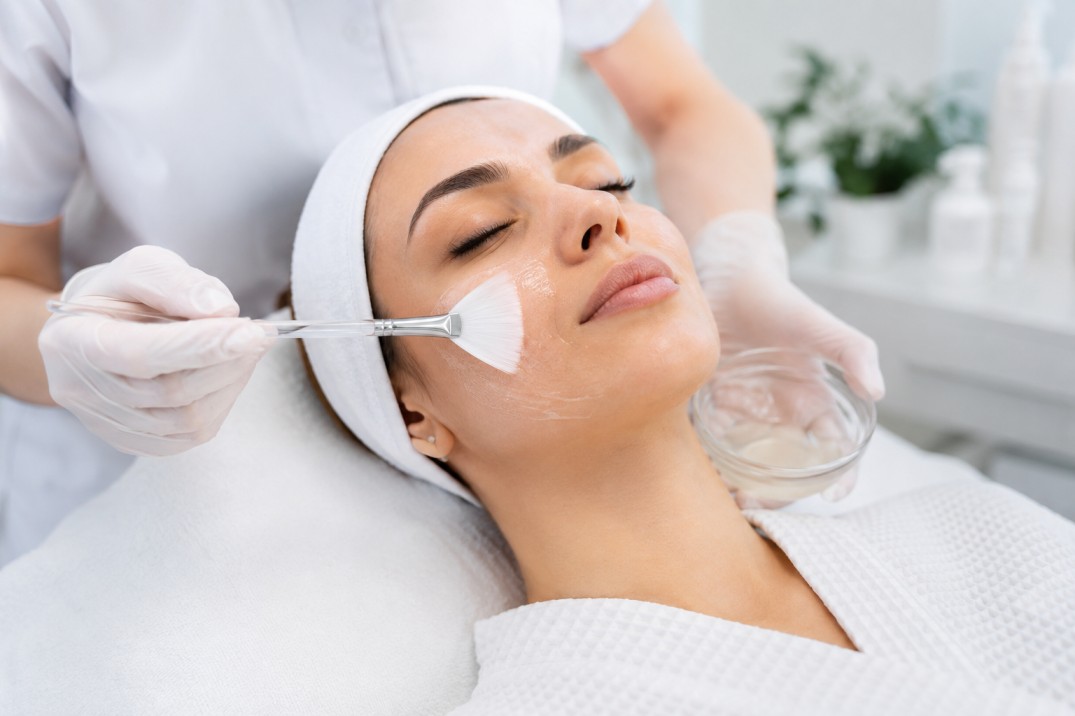
Gentle cleansing removes makeup and surface oils. A mild chemical exfoliant or physical vortex exfoliation loosens dead cells without aggressive abrasion.
3. Painless extraction and infusion
Suction removes sebum and debris from pores while serums infuse hydration and antioxidants at the skin surface. This is less traumatic than manual extractions or aggressive microdermabrasion.
4. Protection and finishing serums
Final steps include peptides, hyaluronic acid and broad-spectrum SPF. Providers may layer growth-factor or brightening serums when indicated.
HydraFacial benefits and risks
Common HydraFacial benefits include immediate skin glow, improved texture, reduced congestion and temporary reduction in fine lines. Because the treatment is customizable, it is used for oily acne-prone skin, dry or aging skin, and to reduce hyperpigmentation when combined with targeted boosters.
Risks are generally low: transient redness, mild swelling, or irritation. Less common issues include allergic reaction to a serum or worsening of active inflammatory acne if the wrong protocol is used. For safety and regulation information on cosmetic procedures, reference the U.S. Food and Drug Administration: FDA cosmetics guidance.
Who is a good candidate?
Good candidates are adults seeking a noninvasive refresh with little downtime. People with open wounds, active cold sores, uncontrolled acne cysts, recent isotretinoin use (within 6–12 months), or certain dermatologic conditions should consult a board-certified dermatologist before treatment.
Before, during and after: A simple step-by-step plan
Before the appointment
Avoid strong retinoids, chemical peels, or waxing for 3–7 days prior. Disclose medications and recent procedures. For event prep, schedule HydraFacial 1–3 days before.
During the appointment
Expect a comfortable session with visible results immediately. Ask the provider which serums were used and note any immediately noticeable irritation.
HydraFacial aftercare
HydraFacial aftercare focuses on protection and gentle maintenance: sunscreen, no heavy exfoliants for 3–5 days, and hydrating moisturizers. Avoid prolonged sun exposure and intense sweating for 24–48 hours.
C.A.R.E. aftercare checklist (named framework)
Use this short framework after a HydraFacial to protect results and lower risk.
- Cleanse gently — use lukewarm water and a mild, non-foaming cleanser twice daily.
- Avoid active exfoliants — stop AHAs/BHAs/retinoids for 3–5 days or as advised.
- Restore hydration — apply hyaluronic-containing serums and a barrier-friendly moisturizer.
- Ensure sun protection — apply broad-spectrum SPF 30+ every morning and reapply when outdoors.
Real-world example
Scenario: A 35-year-old with combination skin and visible pores books a HydraFacial one week before a wedding. The esthetician selects a glycolic exfoliant step followed by a brightening booster and a hydrating peptide serum. The client notices reduced pore congestion and a dewy glow the day after. Post-care included the C.A.R.E. checklist: gentle cleanser, paused retinol for five days, daily SPF, and a hyaluronic moisturizer.
Practical tips for best results
- Book a short consult to match boosters to concerns — brightening agents for pigmentation, salicylic boosters for congestion.
- Schedule recurring sessions every 4–6 weeks for cumulative improvement in texture and tone.
- Bring a list of current skincare ingredients so the provider can avoid incompatible combinations.
- If concerned about medical conditions, consult a dermatologist beforehand, especially with rosacea or recent procedures.
Trade-offs and common mistakes
Trade-offs
HydraFacial is low-downtime and versatile but may offer subtler long-term change than stronger in-office procedures (e.g., lasers or chemical peels) for significant scarring or deep wrinkles. Maintenance sessions are required to preserve effects.
Common mistakes
- Expecting permanent results from a single treatment.
- Mixing aggressive home exfoliation with professional resurfacing too soon after treatment.
- Failing to disclose medications or prior procedures that affect healing.
Core cluster questions (use these as related articles or internal links)
- How often should HydraFacial treatments be scheduled for best results?
- What serums are used in a HydraFacial and how do they work?
- How does HydraFacial compare to microdermabrasion and chemical peels?
- What is the recovery time after a HydraFacial for sensitive skin?
- Which skin conditions respond best to repeated HydraFacial sessions?
FAQ
What is a HydraFacial treatment and how does it work?
HydraFacial combines vortex-assisted exfoliation, painless suction extraction and infusion of targeted serums to cleanse and hydrate the skin in a single, customizable session. The device uses disposable tips and medical-grade serums to reduce contamination risk and tailor treatment to skin type.
Will a HydraFacial remove acne scars?
HydraFacial can improve the appearance of texture and superficial post-inflammatory hyperpigmentation, but deeper acne scarring typically requires more intensive resurfacing such as fractional lasers, microneedling or subcision performed by a dermatologist.
How long does the glow last after a HydraFacial?
Immediate glow can last several days to a week; maintenance sessions every 4–6 weeks prolong cumulative benefits and improve texture over time.
Is HydraFacial safe for sensitive or rosacea-prone skin?
HydraFacial may be safe with adjusted settings and milder serums, but consult a dermatologist first if there is active rosacea, eczema or broken skin. Providers should use calming serums and avoid aggressive extraction tips for sensitive skin.