Hydrafacial for Brides: The Best Pre-Wedding Skincare Timeline and Tips
-

- March 09th, 2026
- 1,240 views

FREE SEO Topical Map Generator: Find Your Next Content Ideas
Planning a Hydrafacial for Brides as part of a pre-wedding skincare plan can help improve skin texture, hydration, and overall radiance when scheduled and performed correctly. This guide explains how a Hydrafacial works, suggested timing before the wedding, preparation steps, common considerations, and aftercare to help make the skin look its best for photos and the ceremony.
- Hydrafacial is a multi-step facial that cleanses, exfoliates, extracts, and hydrates the skin.
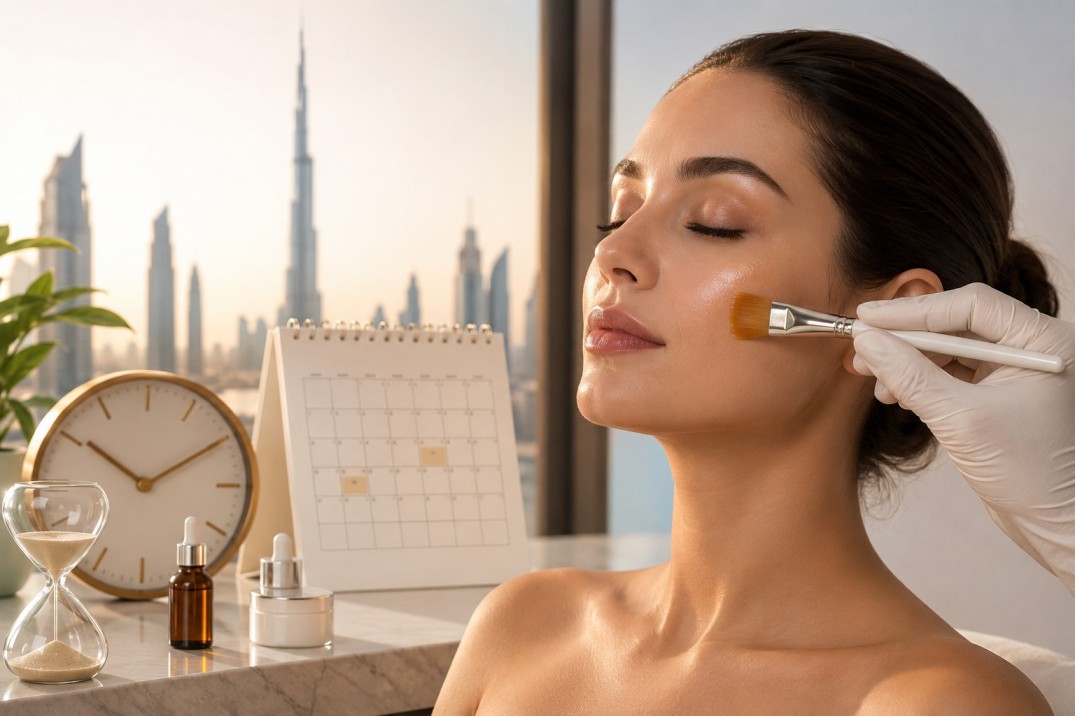
- Begin Hydrafacial treatments 3–6 months before the wedding for cumulative results; schedule the last session 1–7 days before the event depending on skin sensitivity.
- Consult a licensed esthetician or dermatologist about contraindications and interactions with other procedures.
- Follow gentle aftercare: sunscreen, hydration, and avoid new active ingredients immediately after treatment.
Hydrafacial for Brides: timing, benefits, and considerations
What a Hydrafacial does
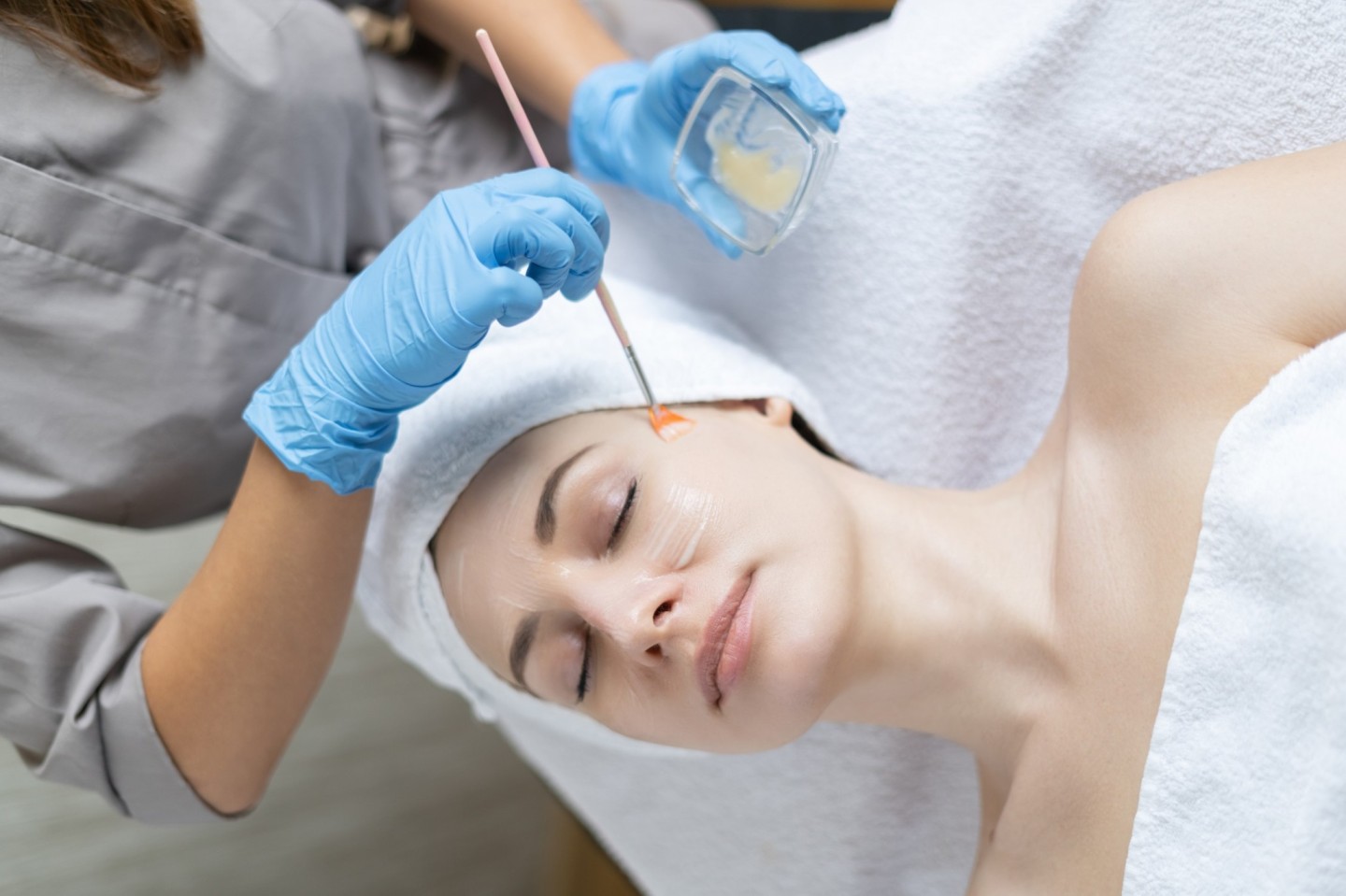
A Hydrafacial typically involves a sequence of cleansing, gentle exfoliation, painless extraction using vortex technology, and infusion of serums that contain hydrating and antioxidant ingredients. The treatment aims to remove dead skin cells, clear pores, and deliver moisture and active ingredients for an immediate refreshed appearance.
Benefits relevant to wedding skin goals
Common benefits for someone preparing for a wedding include smoother texture for makeup application, reduced congestion and visible pores, a more even skin tone, and a hydrated glow that photographs well. Because the treatment is generally gentle, many people choose Hydrafacial as part of a multi-step pre-wedding skincare program.
How Hydrafacial works and what to expect
Typical session details
Sessions usually last 30–60 minutes. Expect mild immediate redness that typically resolves within hours. Some clinics offer booster serums or add-ons such as LED therapy, which may affect timing and recovery; ask the provider about what is included.
Possible side effects and when to be cautious
Mild redness, temporary tightness, or sensitivity can occur. Hydrafacial may not be appropriate for active inflammatory conditions, open wounds, or certain recent medical treatments. A licensed esthetician or dermatologist can assess individual suitability and discuss alternatives.
When to schedule Hydrafacial treatments before the wedding
Recommended timeline
- 3–6 months out: Begin monthly sessions if addressing texture, hyperpigmentation, or acne; cumulative treatments provide gradual improvement.
- 1–2 months out: Continue treatments as advised; introduce any targeted serums recommended by a clinician.
- 1 week to 48 hours before: Schedule the final Hydrafacial session to allow most redness to subside while retaining maximum glow. For sensitive skin, plan the final treatment 5–7 days before the wedding.
Pre-treatment checklist for brides
Consultation and testing
Have a consultation with a licensed esthetician or board-certified dermatologist to review medical history, recent procedures, and current skincare. If using retinoids, strong acids, or having had injectables or laser treatments, mention these during the consultation to determine safe timing.
Skincare adjustments before a session
Avoid starting new active products (strong retinoids, high-concentration acids) within two weeks of a planned session. Disclose recent cosmetic procedures and medications that can affect skin healing. Perform a makeup trial at least a few weeks before the wedding to ensure the treated skin plays well with chosen products.
Aftercare and day-of makeup tips
Immediate aftercare
After a Hydrafacial, follow provider instructions: apply gentle moisturizer, avoid direct sun exposure, and use a broad-spectrum sunscreen with SPF 30 or higher. Avoid harsh exfoliants, waxing, or aggressive treatments for several days.
Makeup application and photography
Hydrated, smooth skin can improve makeup application. Use non-comedogenic products and perform a dress rehearsal with the makeup artist to confirm coverage and finish. For photography, inform the photographer about the skin finish desired—matte or dewy—and adjust products accordingly.
Who should consult a dermatologist or esthetician
When to seek medical evaluation
Individuals with active eczema, psoriasis, severe acne, recent oral isotretinoin use, or a history of keloids should consult a dermatologist before scheduling in-clinic procedures. Licensed professionals and official guidance can clarify timing and safe combinations of treatments; reputable sources such as the American Academy of Dermatology provide general information on facial procedures and skin safety (American Academy of Dermatology).
Costs and finding a qualified provider
Choosing a clinic
Costs vary by location, clinic, and add-on options. Look for licensed practitioners, read reviews, and confirm that the clinic follows proper sanitation and device protocols. Request a pre-treatment consultation to review expectations, potential outcomes, and total pricing.
Frequently asked questions
Is a Hydrafacial for Brides safe before a wedding?
Hydrafacial is generally considered a low-risk cosmetic treatment, but safety depends on individual skin conditions and recent procedures. Schedule a consultation with a licensed esthetician or dermatologist to confirm timing and suitability.
How many Hydrafacial sessions are needed to see a difference?
Some improvement in hydration and texture can be visible after one session. For more pronounced concerns such as uneven tone or congestion, a series of monthly sessions over several months is often recommended.
Can Hydrafacial replace other pre-wedding treatments?
Hydrafacial can complement but not necessarily replace other treatments like targeted peels, laser therapy, or prescription regimens. Coordinate timing with any additional procedures and follow professional advice to minimize overlap and risk.
Will Hydrafacial affect makeup longevity?
Hydrafacial can improve skin surface smoothness and hydration, which often helps makeup apply more evenly. Use appropriate priming and long-wear products for best results on the wedding day.