HydraFacial Riyadh Guide: Refresh, Safety, and Aftercare
-

- Published Updated
- 1,571 views
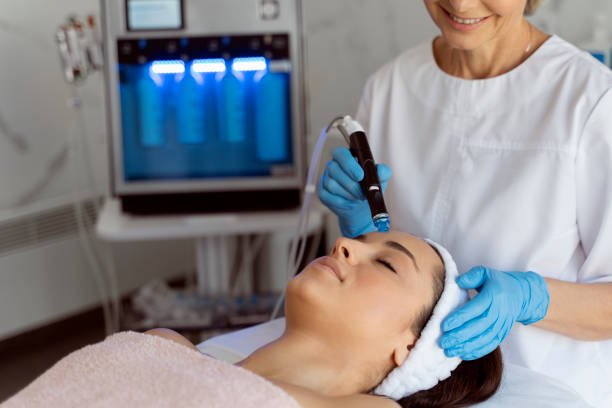
HydraFacial Riyadh is a popular noninvasive facial treatment offering exfoliation, extraction, and hydration in a single session. This guide explains what the procedure involves, the potential benefits and risks, how clinics are regulated in Saudi Arabia, and practical aftercare steps for lasting results.
- HydraFacial combines cleansing, exfoliation, and targeted serums for hydration and glow.
- Sessions are typically short, with minimal downtime; multiple treatments improve outcomes.
- Choose licensed clinics and trained estheticians; check local regulations and hygiene standards.
HydraFacial Riyadh: Overview and how it works
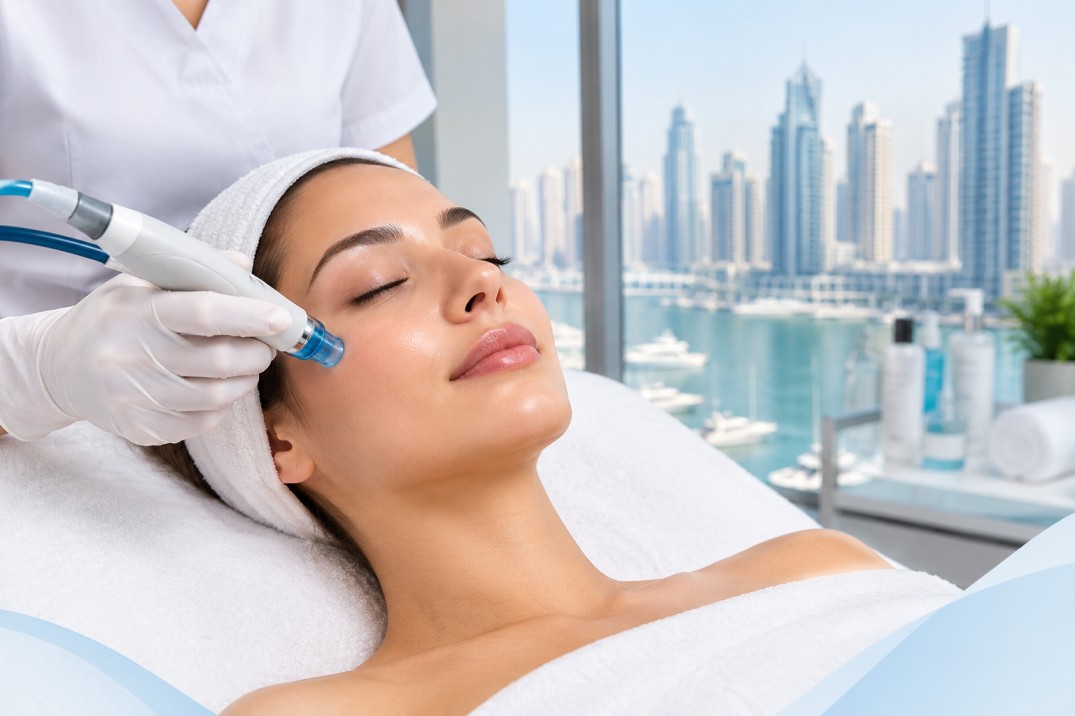
HydraFacial Riyadh treatments use a multi-step device to remove dead skin cells, extract impurities, and infuse the skin with hydrating serums and antioxidants. The protocol often includes gentle chemical exfoliation, vortex suction for painless extraction, and delivery of tailored nutrient-rich solutions to address concerns such as dryness, uneven texture, and hyperpigmentation.
What to expect during a session
Consultation and skin assessment
A treatment typically begins with a short consultation and skin assessment. The provider will review medical history, current skincare products, and any medications that may affect treatment suitability.
Typical treatment steps
- Cleansing and gentle exfoliation to remove surface debris.
- Mild chemical peel to loosen deep-seated impurities (usually low-strength acids).
- Painless extraction with vortex suction and simultaneous infusion of serums.
- Application of antioxidant and hydrating serums, and sunscreen before leaving.
Benefits, limitations, and intended outcomes
Potential benefits include immediate skin brightness, improved hydration, reduction in clogged pores, and a smoother texture. HydraFacial can complement medical dermatology treatments but is not a replacement for professional care for conditions such as severe acne, rosacea, or active skin infections. Results vary by skin type and the number of sessions; maintenance appointments every 4–8 weeks are commonly recommended.
Safety, regulation, and choosing a provider in Riyadh
Regulation and professional oversight
Cosmetic and aesthetic services in Saudi Arabia are subject to licensing and oversight by health authorities. Patients are advised to verify clinic licensure and practitioner credentials. For official guidance on health facility standards, consult the Saudi Ministry of Health website: Saudi Ministry of Health. International dermatology organizations such as the American Academy of Dermatology provide information on skin safety and procedural considerations.
Choosing a clinic and checking credentials
Select a clinic with clear hygiene policies, documented infection-control procedures, and staff trained in dermatologic or aesthetic practice. Confirm whether a licensed dermatologist or certified medical practitioner is available for consultation, especially for individuals with complex skin histories.
Risks, side effects, and who should avoid it
Common short-term effects include mild redness, a tight sensation, or temporary tingling. Less common reactions may include irritation, sensitivity to sunlight, or flare of preexisting conditions. People with open wounds, active cold sores, certain skin infections, or recent use of strong topical medications (like prescription retinoids or some acne treatments) should discuss timing and suitability with a clinician before undergoing treatment.
Aftercare and maintenance
Immediate aftercare
- Avoid intense sun exposure and use broad-spectrum sunscreen daily.
- Keep the skin hydrated with gentle, fragrance-free moisturizers.
- Avoid strong exfoliants or harsh active ingredients for several days post-treatment.
Long-term maintenance
Regular sessions, combined with a basic daily skincare routine—cleanser, moisturizer, and sunscreen—help sustain results. Discuss a personalized plan with the treating clinician to align professional sessions with at-home products and any prescription therapies.
Costs and appointment logistics in Riyadh
Prices vary depending on clinic location, practitioner experience, and included add-ons (such as targeted boosters or LED therapy). Many clinics offer package pricing for multiple sessions. Booking an initial consultation clarifies the expected number of sessions and costs. Confirm cancellation policies, what is included in each session, and whether patch testing is recommended for sensitive skin.
How to compare treatment options
Compare HydraFacial with other professional treatments by considering downtime, goals, and clinical evidence. For persistent or complex skin issues, a dermatologist consultation offers diagnostic clarity and may combine medical treatments with aesthetic procedures for best outcomes.
References and further reading
Official health regulators and dermatology organizations offer detailed guidance on procedural safety and clinic standards. Local health authority information can help verify licensed providers in Riyadh.
Frequently asked questions
Is HydraFacial Riyadh safe and regulated?
HydraFacial is widely performed as a noninvasive skincare treatment. Safety depends on proper clinician training, device maintenance, and adherence to local health regulations. Verify clinic licensure and practitioner credentials, and consult official guidance from local health authorities.
How long do results last after a HydraFacial?
Immediate improvement in glow and hydration is common, but lasting changes to texture and tone usually require a series of treatments and consistent at-home skincare. Many providers recommend maintenance sessions every 4–8 weeks.
Can HydraFacial help with acne or pigmentation?
HydraFacial can reduce clogged pores and improve skin clarity, which may benefit mild acne. Targeted serums and professional treatment plans can address pigmentation, but results vary and medical-grade therapies may be needed for deeper or resistant concerns.
Are there alternatives to consider?
Alternatives include professional chemical peels, microdermabrasion, microneedling, and dermatologist-supervised medical treatments. Each option differs in intensity, downtime, and suitability for specific skin types and conditions.
How should one prepare for a first appointment?
Disclose medical history, current skincare products, and previous procedures during the consultation. Avoid heavy exfoliation or certain prescription topical medications in the days before treatment, and follow any clinic-specific instructions given at booking.