Inbound vs Outbound Marketing: Practical Differences, When to Use Each, and a Planning Checklist
-

- Published Updated
- 464 views

Understanding inbound vs outbound marketing helps choose the right mix of tactics for growth, budget, and timeline. This comparison explains the practical differences, when each approach performs best, and how to plan an integrated campaign that meets measurable goals. The primary focus is on real-world use cases, measurable outcomes like lead generation and conversion rate, and a ready-to-use checklist to evaluate channel fit.
- Inbound marketing pulls prospects through content, SEO, and organic channels — best for long-term growth and lower cost-per-lead over time.
- Outbound marketing pushes messages through ads, cold outreach, and events — best for rapid awareness, targeted outreach, and predictable short-term results.
- Use the RACE framework and the included readiness checklist to decide the right balance and measure ROI.
Inbound vs Outbound Marketing: core definitions and how they differ
Inbound vs outbound marketing differs mainly in permission and timing. Inbound marketing examples include content marketing, SEO, social media engagement, and email nurture programs that attract prospects who are actively researching. Outbound marketing strategies include paid media (PPC, display), cold email, teleprospecting, and trade shows that proactively reach potential customers regardless of intent.
Key differences: cost, timeline, and control
Cost and scalability
Inbound typically requires upfront investment in content and technical SEO but scales with organic traffic and lower marginal cost per lead. Outbound produces more predictable lead volumes with higher ongoing spend on ad budgets, list rental, or event fees.
Timeline and velocity
Inbound builds momentum over months; expect 3–12 months for strong SEO and content ROI. Outbound can generate immediate leads and predictable pipeline in weeks, making it useful for launches or quota-driven sales cycles.
Targeting and personalization
Outbound offers precise targeting via paid media audiences or account-based outreach. Inbound attracts intent-driven prospects and works best when content maps to stages of the buyer journey (awareness, consideration, decision).
When to use inbound vs outbound marketing — practical use cases
- Startup needing early customers and fast feedback: prioritize outbound marketing strategies like targeted ads and direct outreach to validate product-market fit.
- Established company aiming to lower acquisition costs and increase lifetime value: prioritize inbound marketing examples such as content hubs, SEO, and email nurture sequences.
- Sales-driven enterprise accounts: combine outbound account-based marketing (ABM) with inbound content tailored for decision committees.
Planning model: the RACE framework for mixed campaigns
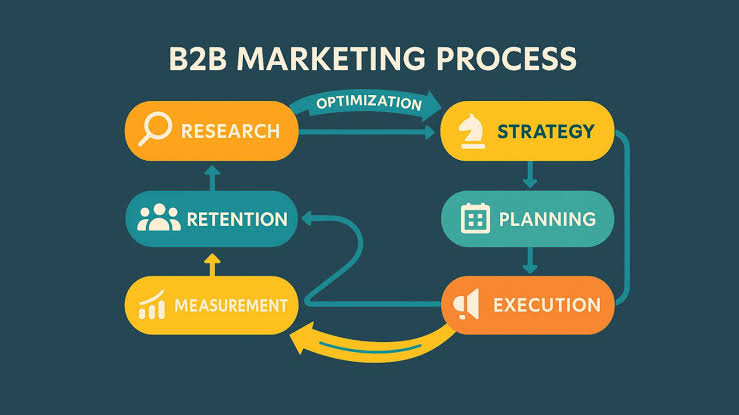
Use the RACE framework (Reach, Act, Convert, Engage) to plan and measure combined inbound and outbound activity:
- Reach: use paid ads and PR for immediate visibility (outbound) plus organic SEO and social for long-term discovery (inbound).
- Act: create landing pages and CTA-driven content to capture interest from both channels.
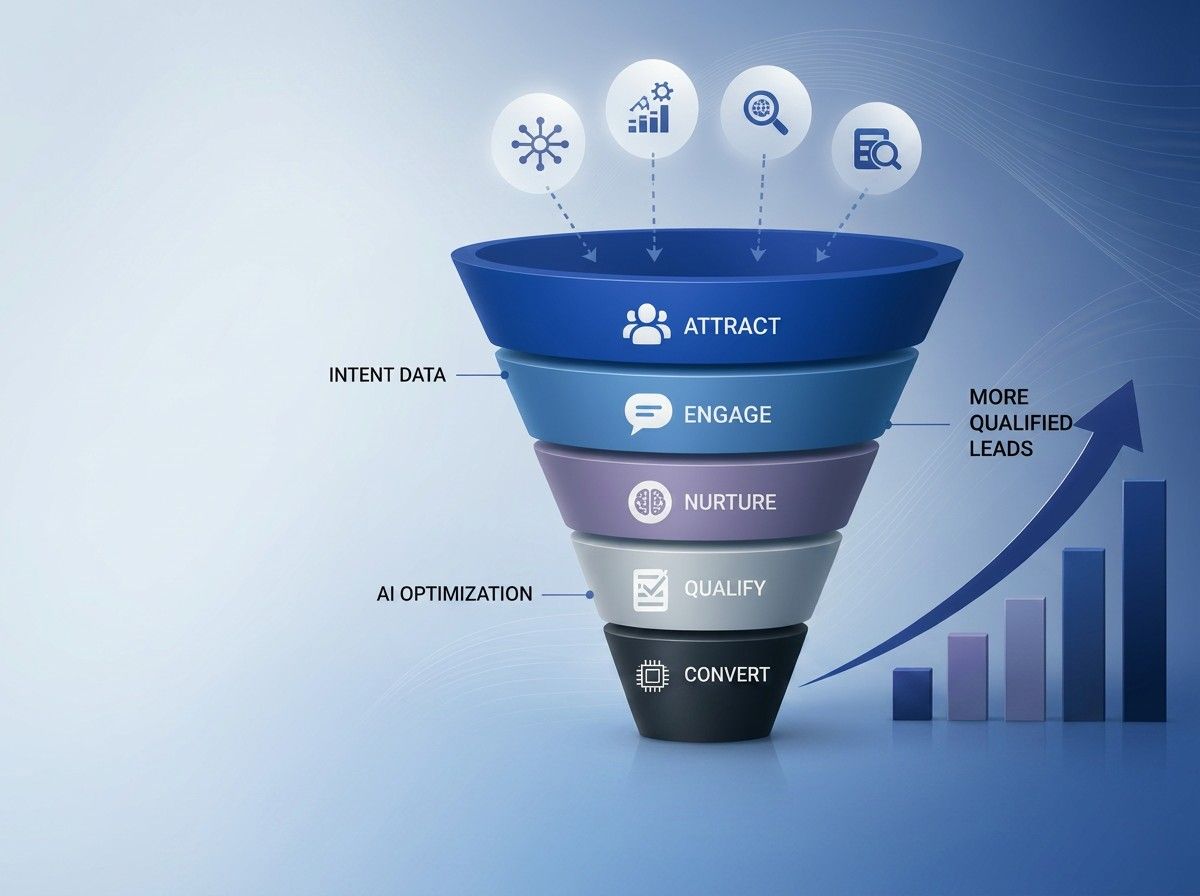
- Convert: apply lead-scoring and nurture flows; use sales outreach for high-value leads.
- Engage: retain and upsell with email, content, and account-based follow-up.
INBOUND-OUTBOUND READINESS CHECKLIST
- Goal alignment: define short-term pipeline targets and long-term LTV objectives.
- Audience mapping: list priority segments and ideal channels per segment.
- Content & creative inventory: audit existing assets for reuse in both channels.
- Measurement plan: set KPIs (CPL, CAC, conversion rate) and attribution model.
- Budget split: estimate monthly spend for paid media vs. content production.
Short real-world scenario
A mid-market SaaS company launching a new integration needs immediate demo signups and long-term organic interest. The launch uses targeted outbound ads to accounts in the CRM and a small SDR outreach team to hit quarterly revenue goals, while a parallel inbound program publishes how-to content, SEO-optimized guides, and gated case studies to build evergreen lead generation. Paid campaigns drive early pipeline; organic content reduces cost-per-lead over the following 6–12 months.
Practical tips: 4 actionable points
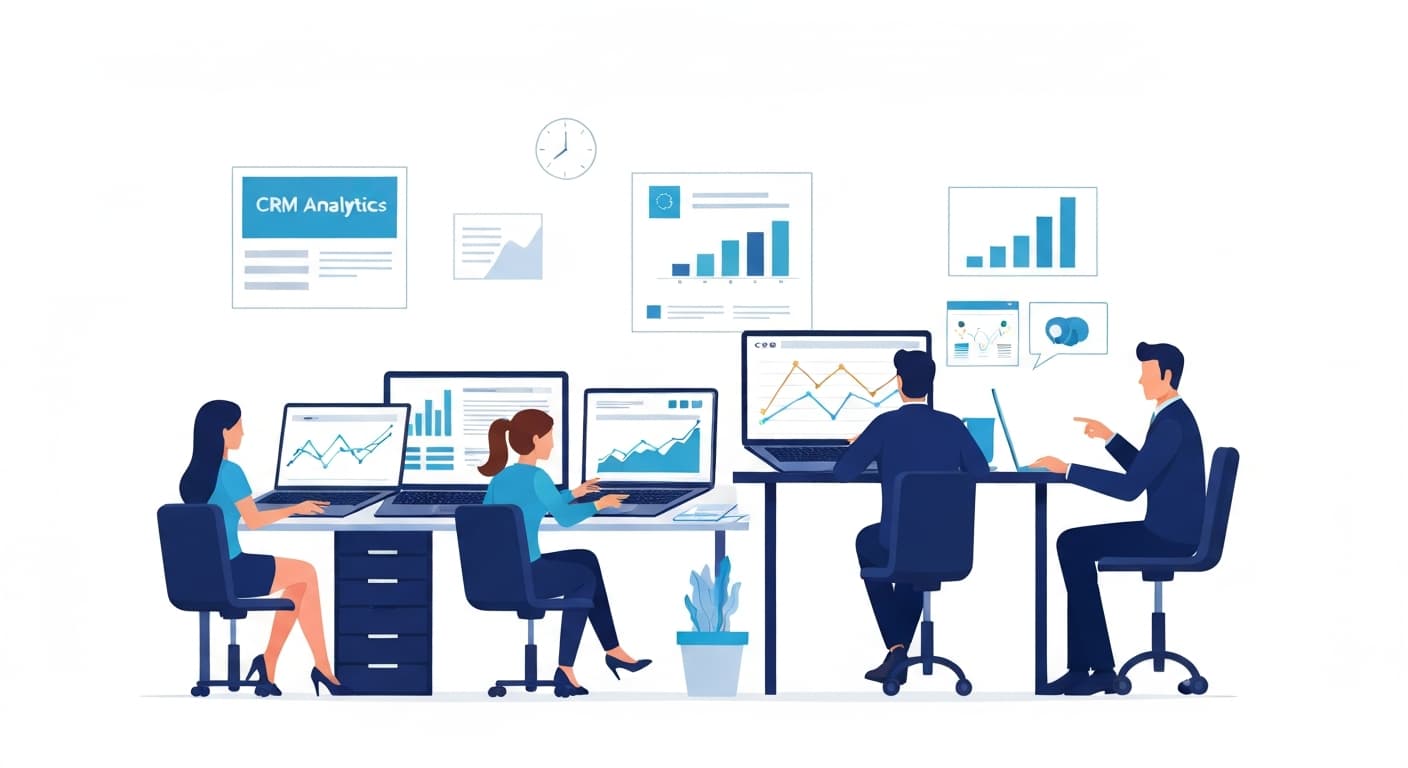
- Test small, measure quickly: run short outbound tests with clear tracking pixels and UTM parameters to measure CPL before scaling.
- Repurpose content across channels: convert a high-performing blog post into a targeted ad, webinar, or email sequence to amplify reach.
- Align sales and marketing KPIs: share lead qualification criteria and CRM tags to avoid wasteful overlap between inbound leads and outbound outreach.
- Use multi-touch attribution where possible: track how paid, organic, and direct outreach contribute across the buyer journey to optimize spend.
Trade-offs and common mistakes
Common mistakes
- Over-investing in outbound without a nurture plan — leads drop off if not nurtured with inbound content.
- Expecting immediate organic results — SEO and content need time and consistent effort.
- Fragmented measurement — not linking ad data, CRM, and analytics leads to incorrect ROI conclusions.
Trade-offs
Choosing more outbound increases predictability but raises acquisition cost and can lower long-term retention if not paired with value-driven content. Choosing more inbound lowers per-lead cost over time but requires patience, stronger content processes, and technical SEO investment.
Measurement and attribution
Track CPL (cost per lead), CAC (customer acquisition cost), MQL-to-SQL conversion, and retention metrics. For best practice guidance on inbound marketing metrics and frameworks, consult reputable industry resources like HubSpot which documents common KPI definitions and setup recommendations.
Final checklist before choosing a mix
- Are short-term revenue targets at risk without immediate outreach?
- Is there capacity to produce quality content consistently?
- Are tracking and attribution reliable enough to compare channels?
- Is the sales team aligned to follow up on inbound leads quickly?
FAQs
What is inbound vs outbound marketing and which is better?
Inbound vs outbound marketing differs in approach: inbound attracts prospects using content and organic channels; outbound pushes messages to prospects through paid and direct outreach. Neither is universally better — choose based on timelines, budget, and target audience.
How long does it take to see results from inbound marketing?
Expect initial traction in 3–6 months for content and SEO, with stronger, compounding results over 6–12 months. Exact timeline depends on competition, domain authority, and content velocity.
Which outbound marketing strategies produce the fastest leads?
PPC campaigns, targeted display, and direct outreach (cold email or teleprospecting) usually deliver the fastest, most predictable lead flow when properly targeted.
Can inbound and outbound marketing be combined effectively?
Yes. Combining channels often yields the best results: use outbound to create pipeline momentum and inbound to nurture, educate, and lower long-term acquisition costs.
How should ROI be measured when comparing inbound vs outbound marketing?
Measure CPL, CAC, conversion rates across stages, and customer lifetime value (LTV). Use consistent attribution windows and multi-touch models where possible to compare true impact across channels.