Should You Increase Your Credit Card Limit? Benefits, Risks, and Key Considerations
-

- February 23rd, 2026
- 1,611 views

FREE SEO Topical Map Generator: Find Your Next Content Ideas
Deciding whether to increase your credit card limit can affect credit utilization, borrowing power, and spending behavior. This article explains the potential benefits and risks of increasing your credit card limit, how card issuers make decisions, and factors to monitor if a higher limit is obtained.
- Increasing your credit card limit can lower credit utilization and provide more available credit, potentially improving credit score metrics.
- Risks include greater temptation to overspend, possible hard inquiries, and increased potential debt if balances grow.
- Issuers consider income, payment history, credit reports, and recent inquiries; alternatives include balance transfers, secured cards, or debt consolidation.
Increasing Your Credit Card Limit: how it works and why issuers decide
Credit card limits are set by issuers based on factors such as income, payment history, existing debt, and information in credit reports from bureaus. A request to a card issuer or an automatic review can change the limit. Some issuer reviews use soft credit checks that do not affect credit scores, while other requests may trigger a hard inquiry that can temporarily affect credit scores.
What influences a decision
Common factors used by issuers include recent payment punctuality, debt-to-income indicators reported by the applicant, total revolving balances across accounts, and the length of credit history. Regulators such as the Consumer Financial Protection Bureau (CFPB) monitor credit card practices and provide consumer guidance on credit card terms and fairness.
Potential benefits of increasing your credit card limit
Lower credit utilization ratio
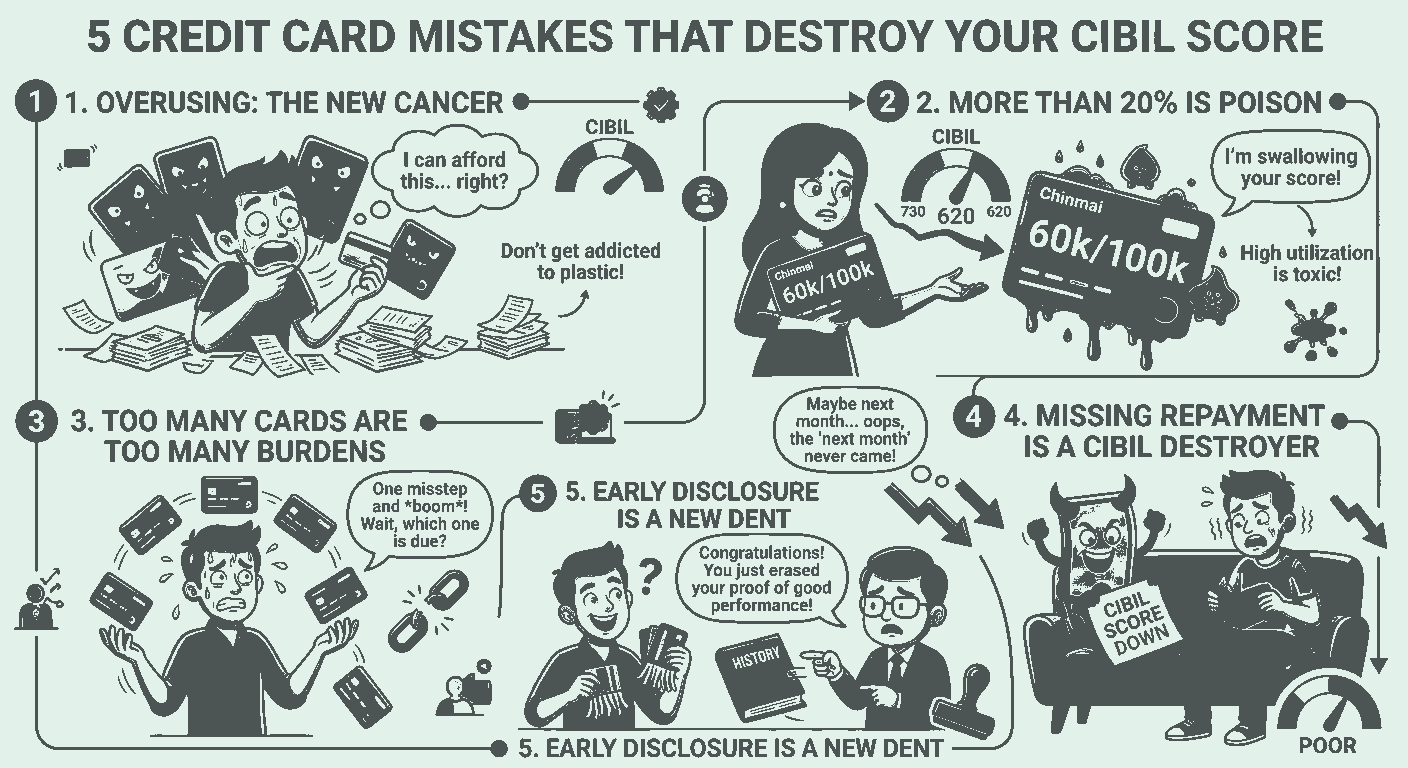
Increasing available credit can reduce the credit utilization ratio (the percentage of revolving credit used). Since utilization is a major component of most credit scoring models, a lower ratio may improve score calculations when balances remain the same.
Greater flexibility and purchasing power
A higher limit can offer more room for larger purchases or emergencies without maxing out an account. It can also reduce the need to open additional accounts, which may otherwise add inquiries and shorten average account age.
Potential access to better terms
In some cases, a higher credit limit is associated with offers for higher-tier card benefits or access to different account features. Issuers may extend such limits to customers with strong account performance.
Risks and downsides of increasing your credit card limit
Greater risk of accumulating debt
More available credit can increase the temptation to spend. If balances rise, interest charges and minimum payments also increase, which may strain cash flow and lead to higher overall debt.
Hard inquiries and temporary score impacts
Requests for increases sometimes prompt a hard inquiry on the credit report. Multiple hard inquiries or recent credit-seeking behavior can lead to short-term score declines. Soft inquiries used for prequalification or automatic reviews do not affect scores.
Effect on other borrowing metrics
Higher limits can interact with debt-to-income considerations when applying for mortgages or other loans. Lenders may consider available credit and existing balances when assessing creditworthiness.
Alternatives and related options
Balance transfers and consolidation
Balance transfer cards, personal loans, or debt consolidation can lower revolving balances and monthly interest costs without increasing existing card limits. These options may involve fees or require qualifying credit.
Secured credit or targeted spending plans
Secured cards or budgeting strategies can build credit history and control spending. A secured card requires collateral and typically establishes a credit line that matches a security deposit.
Practical steps and monitoring
What to expect when requesting a limit increase
When requesting a limit increase, an issuer may ask for updated income and housing information and then perform either a soft or hard credit check. Account records such as payment history and utilization are reviewed. Documented changes in income or reduced liabilities can improve the likelihood of approval.
Monitoring impacts after a change
After a limit change, check credit reports from the major credit bureaus and watch credit scores for any fluctuations. Federal Reserve publications and regulatory guidance can offer context about consumer credit trends and market conditions that may affect credit access.
When to consider a limit increase
Considerations include current credit utilization, upcoming large expenses, emergency savings levels, and recent credit activity. For information on consumer rights and credit card management, see guidance from the Consumer Financial Protection Bureau.
Consumer Financial Protection Bureau: Credit Cards
Key terms to know
- Credit utilization ratio: Portion of available revolving credit being used.
- Hard inquiry: A credit check that may temporarily affect a credit score.
- Soft inquiry: A credit check that does not affect credit scores.
- APR (Annual Percentage Rate): The annual cost of borrowing expressed as a percentage.
- Revolving credit: Credit that renews as balances are paid down, such as most credit cards.
Final considerations
Increasing your credit card limit can offer measurable benefits for credit utilization and short-term liquidity, while also introducing greater potential for higher balances and credit inquiries. Monitoring payment behavior, reviewing credit reports regularly, and comparing alternatives are important steps when evaluating whether a higher limit aligns with financial goals and risk tolerance.
FAQ
How does increasing your credit card limit affect credit utilization?
Increasing the limit increases the denominator in the credit utilization calculation, which can lower the utilization percentage if balances remain constant. Lower utilization often correlates with more favorable evaluations in credit scoring models.
Does requesting an increase always trigger a hard inquiry?
Not always. Some issuers use a soft inquiry for automatic reviews or prequalifications; others may perform a hard inquiry when a customer requests an increase. The issuer’s policy determines which type of inquiry is used.
What are the main risks of increasing your credit card limit?
Primary risks include increased temptation to overspend, potential for larger balances and higher interest payments, and possible short-term credit score effects from hard inquiries. Monitoring spending and payment capacity can help manage these risks.
Is increasing your credit card limit the same as getting a new card?
No. Increasing a limit keeps the existing account open and may not affect average account age, while opening a new card adds an account and can involve a separate hard inquiry and changes to account-average-age metrics.
Will increasing your credit card limit improve a credit score?
It can improve a credit score indirectly by lowering credit utilization, but other factors such as payment history, length of credit history, and recent inquiries also influence scores. Changes are individual and may vary depending on the scoring model and overall credit profile.
Where to find official guidance about credit cards?
Official resources include the Consumer Financial Protection Bureau and publications from the Federal Reserve that explain credit card terms, consumer protections, and broader credit market information.