Managing Digital Communities at Scale: The Role of an Indian SMM Panel in 2026
-

- Published Updated
- 416 views

The Evolution of Community-Centric Marketing
The digital marketing ecosystem in 2026 has undergone a massive paradigm shift. Traditional, algorithm-heavy social feeds are becoming saturated, leading forward-thinking digital agencies and enterprise brands to pivot toward community-centric platforms. Instead of broadcasting to a passive audience, brands are building highly engaged, direct-to-consumer communities on encrypted messaging apps.
Among these platforms, Telegram has emerged as the ultimate corporate communication hub. From global Web3 startups and SaaS companies to localized educational institutes, establishing an authoritative presence on Telegram is now a fundamental business requirement. However, managing these high-volume communities presents a massive operational bottleneck for digital agencies.
Attempting to manage multiple client ecosystems manually—posting updates, analyzing audience retention, and tracking regional engagement—is highly inefficient. To remain competitive, marketing firms are completely overhauling their backend operations. By migrating to centralized, automated management software, agencies can streamline their workflows and focus on high-level content strategy.
Overcoming the Operational Bottleneck
A successful digital community requires continuous, round-the-clock content delivery. If an agency is managing accounts across different global time zones, relying on manual execution inevitably leads to missed posting windows and inconsistent communication. Furthermore, without a centralized system, extracting actionable data to prove Return on Investment (ROI) to clients becomes an administrative nightmare.
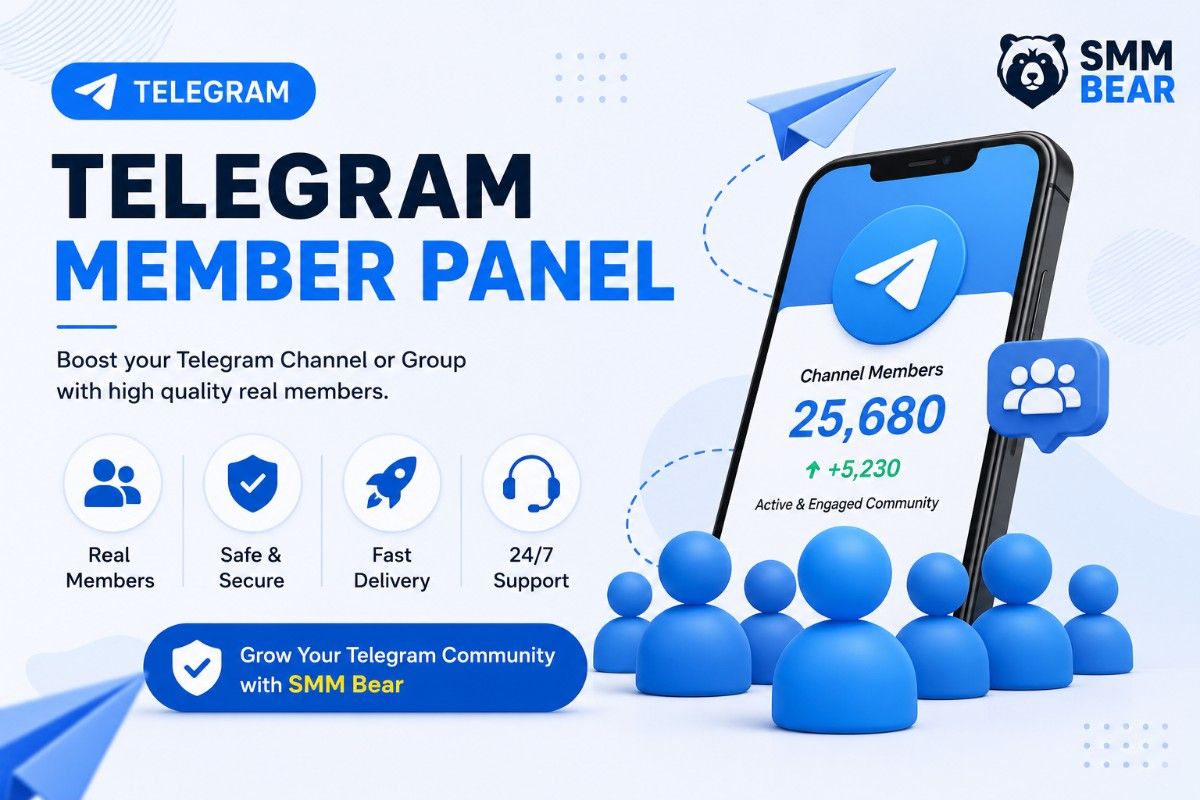
To resolve these challenges, modern agencies integrate unified command centers into their operational tech stack. For instance, utilizing a dedicated
The Strategic Advantage of Localized Infrastructure
As the demand for enterprise-grade management software skyrockets, the origin of the software infrastructure has become a critical consideration for global and domestic agencies alike. India has rapidly positioned itself as a global powerhouse for software development and digital marketing infrastructure.
For agencies looking to optimize their overhead while accessing cutting-edge automation technology, partnering with an indian smm panel has become a highly strategic operational decision. Indian infrastructure providers offer a unique blend of enterprise-level API capabilities, robust server stability, and highly competitive pricing models.
Furthermore, utilizing a platform developed within this tech ecosystem often provides agencies with superior, localized customer support. When managing time-sensitive client campaigns, having immediate access to a support team that understands the nuances of the Asian and global digital markets is an invaluable asset. It allows agencies to scale their operations aggressively without worrying about technical delays or communication barriers.
API Integration: The Backbone of Content Automation
The true scalability of any modern marketing firm is dictated by its Application Programming Interfaces (APIs). An API allows an agency’s internal Customer Relationship Management (CRM) tools or proprietary content servers to communicate seamlessly with their management dashboard.
When a digital agency launches a massive PR campaign, API integration transforms the workflow. The moment the creative team approves a batch of content, the system takes over. The API triggers the management panel to begin the content rollout autonomously across various client channels. This zero-friction automation ensures that client messaging is published, distributed, and tracked immediately, providing a flawlessly synchronized brand experience without requiring tedious manual input from account managers.
Data Aggregation and White-Label Reporting
Client retention in the B2B marketing sector relies entirely on transparent, verifiable data. You cannot optimize a community strategy if you do not understand what type of content resonates with the audience. Traditional reporting methods—manually pulling statistics from native apps and pasting them into spreadsheets—are inefficient and prone to human error.
Advanced management dashboards resolve this administrative burden by aggregating all content performance data in real-time. Strategists can instantly see which types of posts generate the most community replies, what time of day yields the highest open rates, and which content formats drive the most external clicks.
More importantly, top-tier infrastructures empower agencies with white-label reporting capabilities. This allows an agency to export highly detailed, professional performance reports featuring their own corporate branding, pulled directly from the dashboard’s backend. By presenting clients with sleek, professional documentation of their community’s health, agencies reinforce their digital authority and easily justify their ongoing retainer contracts.
Conclusion: Engineering Predictable Efficiency
The era of chaotic, manual social media management is officially behind us. For digital marketing agencies looking to dominate the community management sector in 2026, predictable and engineered software infrastructure is an absolute necessity.
By integrating a centralized, API-driven management dashboard into their daily operations, marketing firms can automate their content workflows, optimize their overhead, and manage complex ecosystems with pinpoint accuracy. The agencies that thrive in the future will be those that leverage advanced backend technology to turn creative strategy into guaranteed, automated efficiency.