India's Spice Exports Are Booming But Most Indians Still Don't Know This One Fact
-

- Published Updated
- 74 views
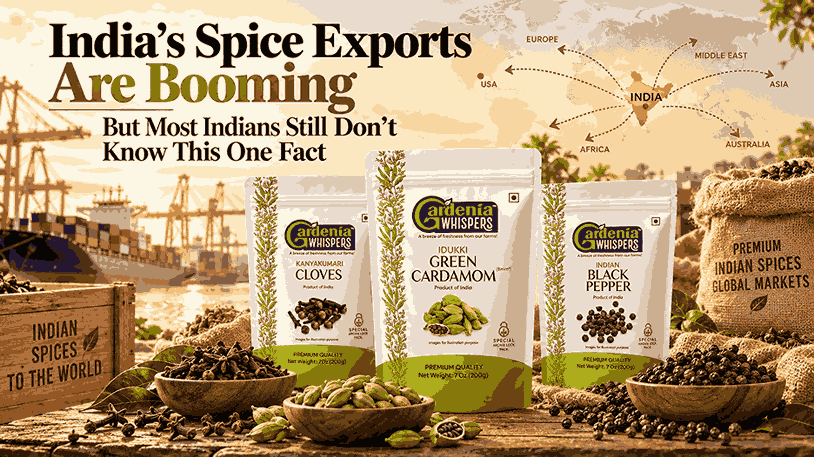
India grows and exports the overwhelming majority of the world's turmeric, supplying international markets, supplement manufacturers, and food brands across continents. Entire industries abroad have built products around Indian turmeric, citing it specifically on labels as a mark of quality. Yet ask most people shopping in a local Indian kitchen what actually makes good turmeric good, and you'll mostly get a shrug, or at best, a brand name picked out of habit rather than any real understanding of what's inside the packet. There's a real gap between how seriously the rest of the world is starting to take Indian turmeric and how little most of us actually know about what we're buying at home.
Why the World Suddenly Cares So Much
Part of this comes down to curcumin, turmeric's active compound, which keeps showing up in new research — inflammation support, joint comfort, and even a study published just this past September pointing to potential blood vessel protection tied to blood sugar regulation. None of this is new interest exactly, but it's become more specific and more scientifically grounded than it used to be. International buyers, especially in the wellness and supplement industries, have gotten increasingly particular about sourcing, driving demand toward higher-curcumin varieties rather than generic, unnamed bulk turmeric bought purely on price.
This shift has quietly reshaped how turmeric gets bought and sold internationally, even if that shift hasn't fully trickled down to everyday domestic shopping habits yet.
The Variety Most Indians Haven't Heard Of
Here's where the gap becomes obvious. Lakadong turmeric, grown specifically in Meghalaya's Jaintia Hills, has earned a Geographical Indication tag and is recognized for curcumin levels often between 6.8% and 9%, compared to the 2-3% typical of standard commercial turmeric sold across most of the country. Export buyers and researchers know this well. Most everyday households buying turmeric at their local kirana store generally don't, simply because this kind of information rarely makes it onto a regular shelf label.
It's a strange situation to sit with a domestically grown, globally celebrated product that most of the domestic market hasn't fully caught up to yet, despite it being grown within the country's own borders.
The Other Side of This Gap: Quality Concerns
Compounding the issue, reports have repeatedly flagged adulteration as a genuine problem in parts of the turmeric market, with some product found cut with fillers or brightened using artificial colorants rather than relying on actual curcumin content. So while export-grade turmeric is getting more scrutiny, documentation, and recognition abroad, a meaningful share of what's sold locally hasn't faced anywhere near the same level of accountability or consumer awareness.
This creates an odd imbalance: the same country growing some of the most prized turmeric on earth also has a domestic market where quality assurance, for the average buyer, is largely left to chance.
Closing the Gap as a Buyer
The good news is that closing this gap doesn't require much effort, just a little more attention while shopping. This is exactly where Gardenia Whispers fits in. Their Lakadong Turmeric Powder brings that same export-recognized, high-curcumin variety directly to everyday buyers, rather than keeping it reserved for international supplement brands and research labs that can afford to be selective about sourcing.
Simple Ways to Actually Use Better Turmeric
Once you've got turmeric worth using, the habits around it don't need to be complicated:
- A pinch added early in cooking, since heat helps release its compounds
- Paired with black pepper, which meaningfully improves how much curcumin the body actually absorbs
- Warm turmeric milk in the evening, an old habit worth keeping, now reasonably well supported by modern research
- Small, consistent use over time rather than occasional large amounts used sporadically
Whole Spice, for Those Who Want Full Traceability
For buyers who want the clearest possible link back to origin, the Whole Spices collection offers whole turmeric root, which is considerably harder to misrepresent or dilute than pre-ground powder, since any tampering is far more visible in raw, unprocessed form.
Powdered, for Everyday Practicality
For daily cooking, grinding fresh turmeric every time simply isn't realistic for most households. The Powdered Spices range keeps things convenient while staying tied to the same trusted, high-curcumin origin, so practicality doesn't have to come at the cost of quality.
Catching Up to What the World Already Knows
It's a little ironic that some of the best turmeric in the world is grown right here, celebrated by international researchers and buyers, labeled specifically by origin on products sold abroad, while most domestic households are still working with generic, unnamed bulk product bought out of habit. Closing that gap isn't complicated or expensive. It just means paying the same attention to sourcing, origin, and quality that the rest of the world has already started paying to something that's been quietly growing in our own backyard all along.