Industrial Facility Relocation in Dubai: From Dismantling to Commissioning
-
- Published Updated
- 6,652 views
Relocating an industrial facility is far more complex than a standard commercial move. Unlike office relocations that mainly involve furniture and IT systems, factory relocation requires the safe handling of heavy machinery, production lines, electrical systems, piping networks, and precision-calibrated equipment. In industrial environments, even minor installation errors can affect production quality, operational safety, and long-term equipment reliability.
In Dubai’s rapidly expanding industrial sector—particularly in areas such as Dubai Industrial City, JAFZA, and Al Quoz—many manufacturers are relocating facilities to support expansion, improve logistics access, or modernize operations. Successful relocation projects depend on detailed engineering planning, technical expertise, and coordinated execution.
Why Industrial Relocation Is More Than Standard Logistics
Traditional logistics focuses on transporting goods efficiently from one location to another. Industrial plant relocation, however, is an engineering-driven operation where equipment integrity and production continuity are critical priorities.
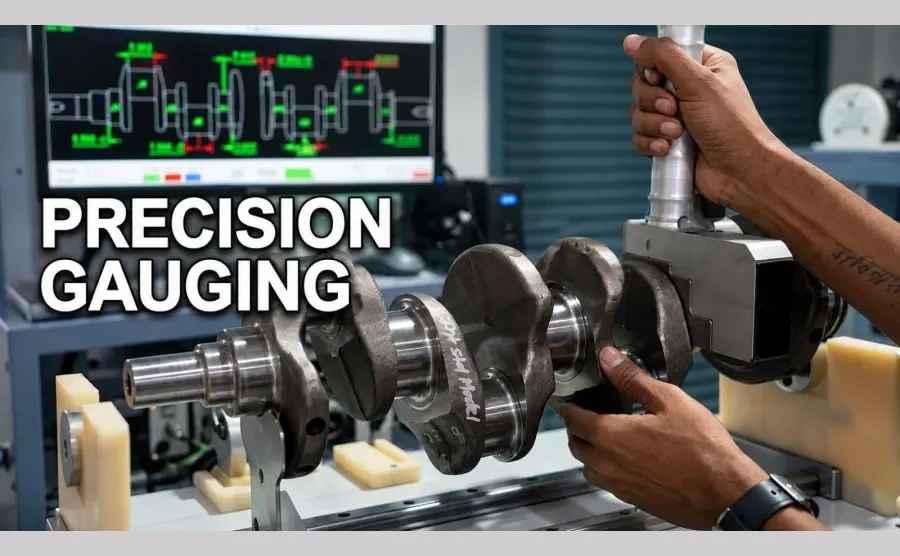
For example, CNC machines and automated manufacturing systems rely on micron-level alignment tolerances. Excessive vibration during lifting or transport can compromise spindle accuracy and affect production precision. Similarly, food processing facilities use hygienic piping systems that must remain contamination-free during dismantling and reinstallation.
This is why factory relocation contractors in Dubai follow structured technical procedures rather than conventional moving methods.
The Importance of a Pre-Relocation Technical Audit
Professional relocation planning begins long before the first machine is disconnected. A comprehensive technical audit helps reduce installation risks and prevents costly downtime later in the project.
Equipment Documentation and Identification
Every machine and auxiliary component should be documented carefully before dismantling begins. Contractors typically record:
serial numbers
dimensions and weight
electrical load requirements
pipe and cable routing
foundation details
equipment positioning
Photographs and video recordings are essential because they create a visual reference during reinstallation.
Equipment Criticality Assessment
Not all machinery can be relocated using the same procedure. Some equipment requires OEM-certified technicians for dismantling to maintain warranty compliance. Others may require customized lifting plans because of uneven weight distribution or sensitive internal components.
For example, a five-ton industrial press may have an off-center center of gravity due to hydraulic assemblies or motor placement. Without proper rigging calculations, lifting operations can become unsafe.
Facility Compatibility Evaluation
The new facility must be technically compatible with the equipment being relocated.
Contractors usually inspect:
floor load-bearing capacity
ceiling clearance
ventilation systems
compressed air availability
drainage systems
power supply specifications
Electrical systems must match the machinery’s voltage, phase, and frequency requirements exactly. In Dubai, DEWA compliance and industrial safety regulations may also need verification before commissioning begins.
Industrial Dismantling Procedures
Factory dismantling is a highly controlled process focused on accuracy and traceability rather than speed alone.
Equipment Tagging System
Each disconnected cable, pipe, motor connection, and sensor is assigned a unique identification tag. This structured tagging system simplifies reinstallation and reduces connection errors during commissioning.
Without proper tagging, even a small wiring mistake can delay production startup for days.
Production Line-by-Line Disassembly
Professional contractors rarely dismantle an entire facility at once. Instead, they follow a phased approach by removing one production line at a time. This method:
improves organization
minimizes contamination risks
allows partial operations to continue where possible
For manufacturers operating multiple lines, phased relocation can significantly reduce revenue loss during transition.
Visual Documentation Before Removal
Before dismantling begins, technicians capture detailed photographs of:
control panel wiring
conveyor tracking systems
hydraulic hose routing
piping connections
machine alignment positions
These records become critical reference points during equipment reassembly and calibration.
Industrial Machinery Packing and Transportation
Industrial machinery requires specialized transport protection far beyond conventional crating methods. Equipment must be protected against:
vibration
impact shock
humidity
dust exposure
extreme temperatures
This becomes especially important during Dubai’s summer season, where temperatures can exceed 45°C.
Roadworthy Packaging
Heavy equipment transported by road is typically secured inside reinforced wooden crates with internal bracing systems designed to prevent movement during transit.
Sensitive machinery may also include:
shock indicators
tilt sensors
vibration monitoring devices
These indicators help verify whether the equipment experienced unsafe handling during transportation.
Climate-Controlled Transportation
Sensitive electronics, laboratory instruments, and precision automation systems often require temperature-controlled transportation. Excessive heat exposure can damage electronic circuits, sensors, and calibration systems.
For this reason, climate-controlled vehicles are frequently used for high-value industrial equipment moving across the UAE.
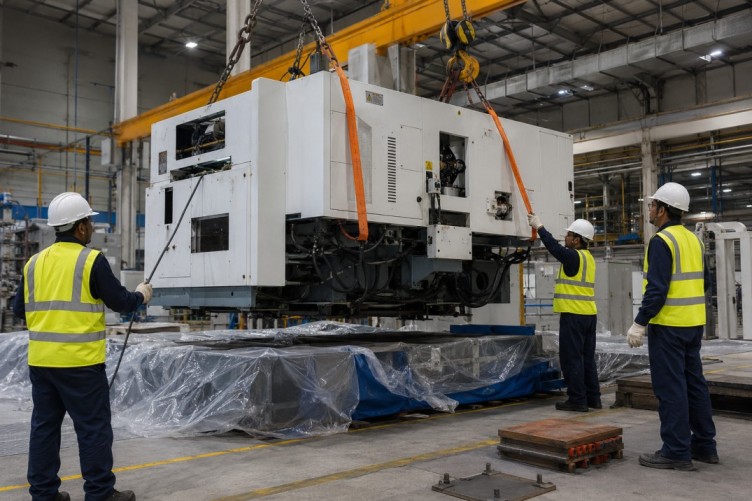
Rigging and Lifting Safety
Certified rigging teams evaluate:
total equipment weight
center-of-gravity positioning
lifting balance
crane capacity
structural clearances
Safe lifting procedures are essential because improper rigging can damage equipment and create serious safety hazards during relocation.
Reinstallation and Factory Commissioning
Once the machinery reaches the new facility, the reinstallation phase begins using the documentation collected earlier in the project.
Equipment Positioning and Alignment
Floor markings and layout drawings help ensure accurate equipment placement. Machines are positioned according to production flow requirements before anchoring begins.
Proper bolt anchoring and vibration isolation are necessary to maintain equipment stability and long-term operational accuracy.
Utility and Connection Verification
Technicians reconnect all:
electrical systems
compressed air lines
hydraulic systems
cooling lines
process piping
The tagging system ensures each cable and pipe reconnects to the correct location.
System Testing and Commissioning
Commissioning occurs gradually rather than activating the entire production line at once.
The process may include:
motor rotation testing
control signal verification
sensor calibration
emergency stop testing
operational load testing
This phased startup approach helps identify technical issues early before full production resumes.
For example, relocating an FMCG production line from Al Quoz to Dubai Industrial City may require phased weekend dismantling to maintain supply chain continuity.
Strategies to Minimize Production Downtime
Downtime is often the largest financial risk during factory relocation projects. Experienced industrial relocation contractors employ several strategies to minimize operational disruptions.
Parallel Work Execution
Different teams can simultaneously handle:
dismantling
transportation
unloading
installation
For example, while one production line is being dismantled, another shipment may already be in transit to the new facility.
Weekend and Off-Peak Relocation
Many Dubai factories schedule relocation activities during weekends or planned shutdown periods to minimize production interruptions.
This strategy is particularly useful for facilities operating continuous manufacturing schedules.
Partial Relocation Strategy
In multi-line manufacturing plants, selected sections can remain operational while other areas undergo relocation. Maintaining partial production capacity helps businesses mitigate supply chain disruptions during transitions.
One of the most common relocation mistakes is underestimating foundation alignment requirements for vibration-sensitive machinery.
Tekzone’s Industrial Relocation Methodology
Tekzone approaches industrial relocation as a coordinated engineering project rather than a basic transport operation.
Their relocation process includes:
pre-dismantling photography and video documentation
systematic equipment tagging
phased dismantling procedures
protective packaging for road and sea transport
staged installation and commissioning support
The company also adapts existing mechanical and electrical systems to match the layout and operational requirements of the new facility.
In Dubai’s summer conditions, temperature-sensitive electronics are often transported during nighttime hours to reduce heat exposure.
Conclusion
Industrial facility relocation in Dubai requires far more than transportation expertise. It involves engineering coordination, technical documentation, precision dismantling, protective logistics, and structured recommissioning.
For operations managers, selecting the right contractor should involve evaluating technical methodology, safety standards, and commissioning capabilities—not simply comparing pricing.
Experienced factory relocation contractors help businesses reduce downtime, protect valuable machinery, and resume production efficiently in the new facility. Companies such as Tekzone demonstrate the integrated approach required to manage complex industrial relocation projects successfully across Dubai’s manufacturing sector.