Why Industries Are Switching to Solar Energy
-

- Published Updated
- 4,313 views

Industries require large and reliable amounts of electricity to keep production lines, machinery, warehouses, cooling systems, lighting, and other operations running. As electricity demand increases and businesses focus more on controlling operating costs, solar energy is becoming an increasingly attractive option for industrial facilities.
Unlike a short-term energy-saving measure, solar can become part of a company's long-term electricity strategy. Industrial facilities often have large rooftop areas, open spaces, and significant daytime electricity consumption, creating a strong opportunity to use solar power directly where it is generated.
The growing interest in renewable energy is also changing how companies approach sustainability. Businesses are increasingly looking for ways to reduce their dependence on conventional energy sources while maintaining reliable operations and managing long-term energy expenses.
Rising Electricity Costs and Industrial Operations
Electricity is a major operating expense for many industries. Manufacturing plants, processing facilities, cold-storage units, warehouses, and other industrial operations can consume substantial amounts of electricity every day.
When electricity costs increase, the impact can extend throughout the business. Higher energy expenses can affect production costs, operating margins, and the overall competitiveness of a company.
Solar energy provides an opportunity to generate a portion of the required electricity on-site. Instead of purchasing all electricity from the grid, an industrial facility can use electricity produced by its own solar installation during suitable generation periods.
The actual financial benefit depends on system size, electricity tariffs, solar generation, financing, maintenance, and the facility's consumption pattern.
Industrial Facilities Often Have Ideal Solar Conditions
Many industrial facilities operate primarily during daylight hours. This can align well with rooftop solar generation because solar panels typically produce electricity during the day.
Factories may operate machinery, lighting, ventilation, compressors, pumps, and other equipment while solar generation is available. When solar electricity is consumed directly by these loads, the facility can reduce its dependence on grid electricity during those hours.
Large rooftops can also provide considerable installation space. Warehouses, factories, and production buildings often have extensive roof areas that may otherwise remain unused.
A proper structural and technical assessment is essential before installing panels because the roof must be suitable for the proposed system.
Reducing Dependence on Conventional Electricity
Solar energy allows industries to diversify their electricity sources. Rather than relying entirely on electricity purchased from the grid, companies can generate part of their energy requirements independently.
This does not necessarily mean that an industrial facility will become completely independent of the grid. Many systems remain grid-connected and use conventional electricity when solar generation is insufficient.
Instead, solar can reduce the amount of electricity purchased from the grid over the long term. This can become particularly valuable for facilities with substantial daytime electricity consumption.
Solar Can Support Long-Term Cost Planning
Industrial companies generally make decisions based on long-term operating costs. A solar installation can be evaluated as an energy asset capable of generating electricity over many years.
Once installed, a solar system does not require fuel in the same way as conventional generation technologies. Its ongoing expenses are primarily associated with maintenance, monitoring, cleaning, component servicing, and other operational requirements.
The economic value of a solar project should be evaluated using realistic generation estimates and the facility's actual electricity consumption. Factors such as system degradation, financing costs, equipment warranties, and future electricity tariffs should also be considered.
Better Use of Industrial Rooftops
Industrial rooftops are often large areas with limited alternative uses. Solar panels can convert these spaces into electricity-generating assets.
Instead of leaving a large roof unused, a company can potentially install a rooftop solar system and generate electricity for its operations.
However, not every roof is suitable. Structural strength, shading, orientation, roof condition, access, drainage, and electrical infrastructure should all be evaluated before installation.
For older industrial buildings, roof condition should be assessed carefully before mounting a large solar array.
Solar for Different Industrial Applications
Solar energy can support a wide variety of industrial operations. Manufacturing plants can use solar electricity for machinery and production equipment. Warehouses can use it for lighting, material-handling systems, ventilation, and other electrical loads.
Cold-storage and food-processing facilities may use significant amounts of electricity for refrigeration and temperature control. Solar can help offset part of this demand when the system is properly designed.
Other applications can include textile manufacturing, packaging, engineering, pharmaceuticals, automobile components, agricultural processing, and many other industries.
The appropriate solar system depends on the specific electricity profile of each facility.
Combining Solar with Battery Storage
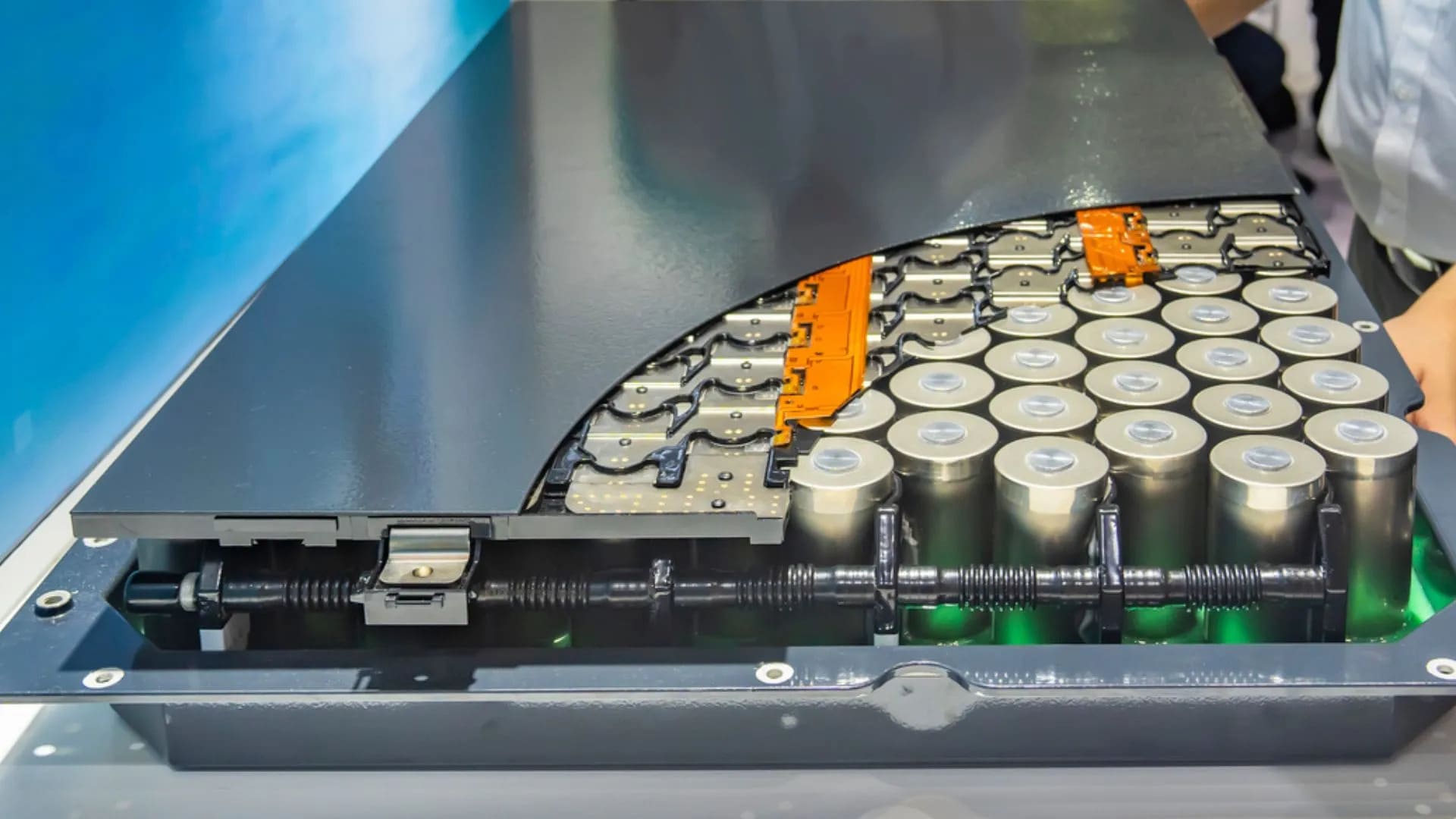
Battery storage is becoming an important addition to solar energy systems.
Solar panels generate electricity during daylight hours, but industrial facilities may also require electricity in the evening or during periods of reduced solar production. Batteries can store surplus electricity and make it available later.
Battery storage can also support specific energy-management strategies, although the financial benefits depend on electricity tariffs, demand patterns, battery costs, and operational requirements.
For some industries, solar alone may be sufficient to achieve their objectives. Others may benefit from combining solar generation with storage and intelligent energy-management systems.
Smart Monitoring for Industrial Solar
Industrial solar installations can benefit significantly from monitoring technology.
A smart monitoring system can provide information about solar generation, inverter performance, energy consumption, and system status. This data allows facility managers to understand whether the installation is producing the expected amount of electricity.
If generation falls unexpectedly, monitoring can help identify the need for further investigation. Dust accumulation, equipment faults, shading, electrical issues, or other factors may affect performance.
For large installations, centralized monitoring can make it easier to track multiple inverters and solar sections from one platform.
Supporting Corporate Sustainability Goals
Environmental responsibility is becoming increasingly important for businesses. Customers, investors, employees, and business partners may all pay greater attention to how companies manage their environmental impact.
Solar energy can support corporate sustainability objectives by increasing the share of renewable electricity used in business operations.
For companies with formal environmental, social, and governance initiatives, solar can become one component of a broader strategy involving energy efficiency, waste reduction, responsible resource use, and cleaner transportation.
The sustainability benefits should be considered alongside the project's technical and financial performance.
Solar and Industrial Electric Vehicles
Industrial facilities are also becoming connected with electric mobility. Companies may operate electric cars, two-wheelers, delivery vehicles, forklifts, or other electrically powered transportation equipment.
Solar generation can potentially support EV charging infrastructure installed at industrial sites.
Combining solar generation with EV charging and battery storage can create a more integrated energy system. Smart charging can also help coordinate vehicle charging with solar availability and facility electricity demand.
As industrial transportation becomes more electrified, this integration could become increasingly important.
India's Growing Industrial Solar Opportunity
India's continued expansion of renewable energy is creating new opportunities for businesses and industries to adopt solar power.
The country's solar capacity has grown substantially, while government policies and private-sector investment continue to support renewable-energy development. For industrial businesses, this broader transition provides an opportunity to consider renewable electricity as part of long-term energy planning.
Solar adoption can also support domestic renewable-energy manufacturing and contribute to the development of the wider clean-energy ecosystem.
However, industrial projects require careful planning because electricity requirements can be much larger and more complex than those of residential properties.
Choosing the Right Industrial Solar System
There is no universal solar system design for every factory or industrial facility.
Before installation, the company should examine its electricity bills, load profile, operating hours, available roof or land area, electrical infrastructure, future expansion plans, and financial objectives.
The system should be sized according to actual requirements rather than simply maximizing the available installation area.
Equipment quality is also important. Solar modules, inverters, mounting structures, cables, protection systems, and monitoring equipment all contribute to long-term performance.
For businesses researching Best solar panel companies in Haldwani- Uttarakhand, comparing complete system design, equipment quality, installation standards, warranties, monitoring, and after-sales support can be more useful than comparing only the initial quotation.
The Shift Toward Integrated Energy Systems
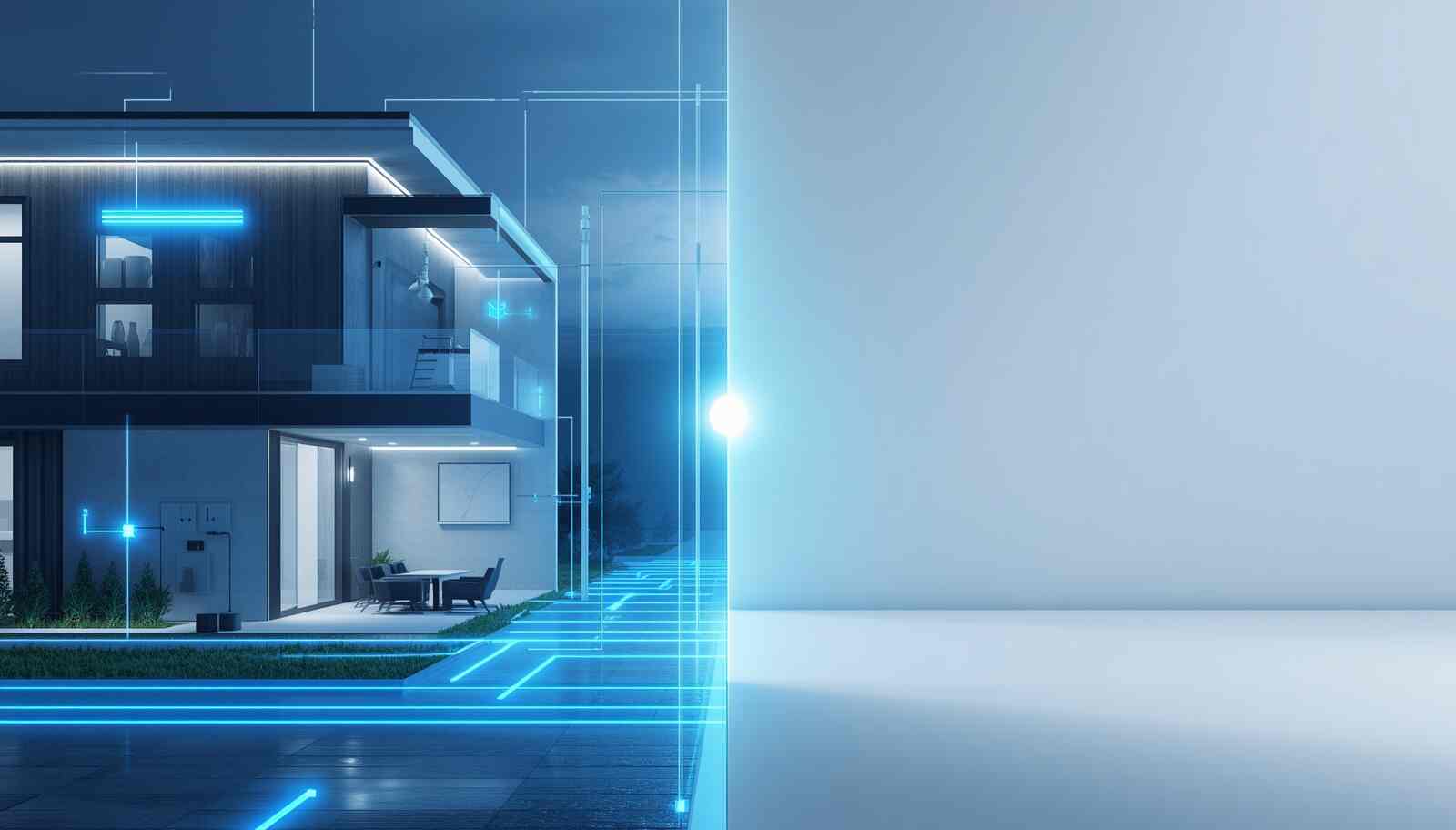
The industrial solar market is moving beyond basic rooftop installations. Companies are increasingly considering solar alongside battery storage, smart monitoring, EV charging, energy management, and other technologies.
This creates an integrated approach to electricity management.
For example, solar panels can generate electricity during the day, smart systems can monitor consumption, batteries can store selected surplus generation, and EV chargers can use available renewable electricity for company vehicles.
Such systems can help industrial facilities manage their energy more intelligently.
A Strategic Investment for Industrial Businesses
Industries are switching to solar for several interconnected reasons: managing electricity costs, utilizing available rooftop space, reducing dependence on conventional electricity, supporting sustainability goals, and preparing for a more renewable energy-focused future.
Solar should not be viewed simply as a panel installation. For an industrial facility, it is an energy infrastructure project that should be planned around production requirements, electrical demand, safety, financial objectives, and long-term expansion.
Companies considering large-scale renewable-energy projects can benefit from working with a Best Domestic, Commercial and Industrial solar company in haldwani Uttarakhand that can evaluate the entire project from system design through installation and ongoing monitoring.
The Future of Industrial Solar Energy
As electricity demand continues to grow, industries will increasingly need solutions that balance reliability, cost management, and sustainability. Solar energy can address part of this requirement by allowing businesses to generate renewable electricity at their own facilities.
The next phase of industrial solar is likely to involve greater integration with battery storage, smart monitoring, energy-management software, and electric vehicle infrastructure.
For industrial businesses, the question is therefore moving beyond whether solar is possible. It is increasingly about how solar can be designed and integrated to support the facility's long-term energy strategy.
With the right planning, high-quality equipment, professional installation, and ongoing performance monitoring, solar energy can become a valuable long-term asset for industrial operations while supporting India's broader transition toward cleaner electricity.
Green Age Solar