Industry Skill Training: A Complete Guide to Skills, Services and Career Growth
-
- Published Updated
- 8,893 views
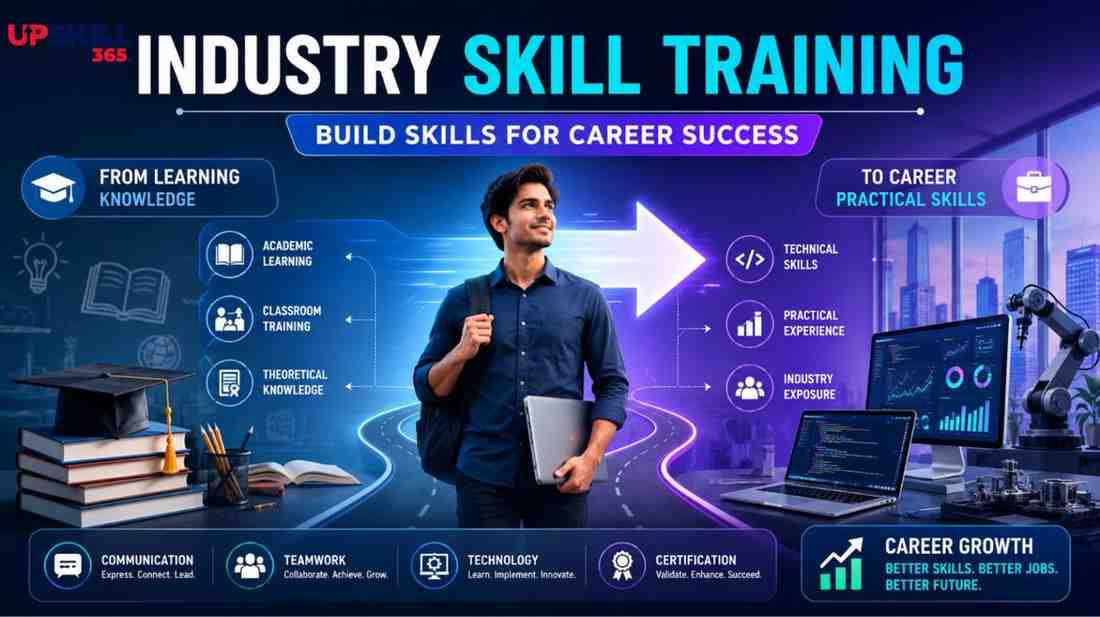
Industry Skill Training is becoming one of the most important pillars of modern workforce development. In today’s competitive job market, academic knowledge alone is not enough to secure employment or career growth. Companies are actively looking for individuals who possess practical, job-ready skills that can be applied directly in real-world work environments. This is where Industry Skill Training plays a crucial role by bridging the gap between education and employment. It focuses on hands-on learning, technical expertise, and real-time problem-solving abilities that industries demand.
Unlike traditional education systems, Industry Skill Training is designed to align with current market requirements. It ensures learners gain exposure to tools, technologies, and processes used in various industries. This approach helps candidates become more confident and employable. With the rise of digital transformation and automation, the demand for skilled professionals is increasing rapidly. Therefore, Industry Skill Training is no longer optional but essential for career success. It prepares individuals not just for jobs, but for long-term professional growth in evolving industries.
Importance of Industry Skill Training in Today’s Economy
The modern economy is driven by innovation, technology, and productivity, all of which depend heavily on skilled human resources. Industry Skill Training plays a vital role in shaping a workforce that can adapt to these fast-changing demands. As industries evolve, new job roles are created that require specialized skills, making structured training more important than ever. Without proper Industry Skill Training, there is a significant mismatch between what candidates learn and what employers expect.
In today’s economy, businesses prioritize efficiency and performance, which can only be achieved through a skilled workforce. Industry Skill Training helps individuals understand industry standards, workflows, and best practices. It also improves productivity, reduces training time for companies, and enhances overall economic growth. Additionally, it supports national development by reducing unemployment and increasing employability. As global competition rises, countries with strong skill development systems have a clear advantage. This makes Industry Skill Training a key driver of economic stability and progress in the long term.
What is Industry Skill Training?
Industry Skill Training refers to a structured learning process designed to equip individuals with practical skills required in specific industries. Unlike theoretical education, this type of training focuses on real-world applications, ensuring learners gain hands-on experience. It covers technical, operational, and professional skills that are directly aligned with job roles in various sectors such as IT, manufacturing, healthcare, and more.
The primary goal of Industry Skill Training is to make individuals job-ready by improving their technical knowledge and practical abilities. It often includes workshops, simulations, live projects, and on-the-job training modules. This ensures that learners understand how industries function in real environments. Industry Skill Training also helps in developing problem-solving skills, teamwork, and adaptability.
With increasing competition in the job market, employers prefer candidates who have undergone structured Industry Skill Training. It reduces onboarding time and increases productivity from day one. As a result, it has become a crucial part of modern education and workforce development systems worldwide.
Overview of Industry Training Service
An Industry training service provides structured programs designed to enhance the skills and knowledge of individuals according to industry requirements. These services act as a bridge between academic learning and professional job expectations. They are tailored to meet the specific needs of different industries, ensuring that learners gain relevant and updated skills.
Industry training service providers focus on practical learning methods rather than just theoretical instruction. They offer workshops, certifications, internships, and hands-on training modules. This helps learners gain real-time exposure to industry tools and processes. Many organizations also collaborate with training providers to ensure employees are continuously upskilled.
The main advantage of an Industry training service is its flexibility and industry alignment. It caters to students, job seekers, and working professionals who want to upgrade their skills. By offering customized learning paths, it ensures better career outcomes. In today’s competitive environment, Industry training service has become essential for maintaining workforce efficiency and employability.
How Industry Skill Training Bridges the Skill Gap
One of the biggest challenges in the job market today is the skill gap between education and employment requirements. Industry Skill Training plays a crucial role in bridging this gap by providing practical exposure and job-oriented learning. Many graduates enter the workforce with theoretical knowledge but lack the hands-on skills required by employers.
Industry Skill Training addresses this issue by focusing on real-world applications, tools, and technologies used in various industries. It ensures learners understand workplace expectations and develop the necessary competencies. This includes technical skills, communication abilities, and problem-solving techniques.
By aligning training programs with industry needs, organizations can produce job-ready candidates who require minimal additional training. This benefits both employers and employees, reducing hiring costs and improving productivity. Industry Skill Training also helps individuals transition smoothly from education to employment. In this way, it acts as a powerful solution to one of the most persistent challenges in the modern job ecosystem.
Understanding Modern Industry Training Solutions
Modern Industry training solutions are advanced learning systems designed to meet the evolving demands of various industries. These solutions integrate technology, practical learning, and industry insights to deliver effective training outcomes. They are designed to be flexible, scalable, and highly relevant to current job markets.
Today’s Industry training solutions often include digital learning platforms, virtual simulations, and AI-based assessments. This allows learners to gain experience in a controlled yet realistic environment. These solutions also help organizations train employees efficiently without disrupting operations.
Another key feature of Industry training solutions is customization. Training programs are tailored based on industry type, job role, and skill level. This ensures maximum effectiveness and better learning outcomes. As industries continue to evolve rapidly, modern training solutions are becoming essential for maintaining competitiveness and innovation. They ensure that individuals and organizations stay updated with the latest industry trends and technologies.
Role of an Industry Training Centre in Skill Development
An Industry training centre plays a crucial role in developing a skilled and competent workforce. These centres are dedicated facilities that provide structured training programs aligned with industry requirements. They serve as a hub for practical learning, technical education, and skill enhancement.
Industry training centres are equipped with modern tools, technologies, and expert trainers who guide learners through real-world applications. They offer hands-on experience in various domains such as IT, engineering, manufacturing, and services. This helps learners gain confidence and practical knowledge that is directly applicable in the workplace.
Another important role of an Industry training centre is to provide certification programs that improve employability. These certifications are often recognized by industries and employers, increasing job opportunities for candidates. By focusing on skill development rather than just theoretical learning, these centres contribute significantly to workforce readiness and economic growth.
Key Features of Effective Industry Skill Training Programs
Effective Industry Skill Training programs are designed with specific features that ensure high-quality learning outcomes. One of the most important features is practical exposure, where learners work on real-world projects and case studies. This helps them understand industry operations better.
Another key feature is industry-aligned curriculum. Industry Skill Training programs are regularly updated to match current market trends and technological advancements. This ensures learners are always learning relevant skills.
Experienced trainers also play a vital role in delivering effective training. They bring real industry experience into the classroom, making learning more practical and insightful. Additionally, certification and placement support are important features that enhance career opportunities for learners.
Flexibility in learning methods, such as online and offline training, is another important aspect. Overall, these features make Industry Skill Training highly effective in preparing individuals for successful careers.
Benefits of Industry Skill Training for Students
Industry Skill Training offers numerous benefits for students who are preparing to enter the job market. One of the biggest advantages is improved employability. Students gain practical skills that make them job-ready from day one.
It also helps students understand real-world industry expectations, reducing the gap between education and employment. Through Industry Skill Training, students gain hands-on experience with tools and technologies used in professional environments.
Another benefit is increased confidence. When students work on practical projects, they develop problem-solving abilities and communication skills. This prepares them for interviews and workplace challenges.
Industry Skill Training also opens up better career opportunities by providing industry-recognized certifications. These certifications add value to resumes and improve job prospects significantly. Overall, it helps students build a strong foundation for a successful career.
Benefits of Industry Skill Training for Companies and Employers
Industry Skill Training is highly beneficial for companies as it helps them build a skilled and productive workforce. Employees who undergo proper training are more efficient and require less supervision. This leads to improved performance and reduced operational costs.
Companies also benefit from reduced training time during onboarding. Since candidates already possess relevant skills, they can contribute to work immediately. Industry Skill Training also enhances employee retention by providing growth opportunities.
Additionally, it ensures that employees are updated with the latest industry trends and technologies. This improves innovation and competitiveness within the organization. Overall, Industry Skill Training helps companies maintain a strong, skilled, and adaptable workforce that supports long-term business growth.
Role of Technology in Industry Skill Training
Technology plays a major role in transforming Industry Skill Training into a more effective and accessible learning system. Digital platforms, virtual labs, and AI-based tools have made training more interactive and efficient.
With the help of technology, learners can access training modules from anywhere, making education more flexible. Simulations and virtual environments allow students to practice real-world scenarios without risks.
Technology also enables personalized learning experiences, where training programs are adapted based on individual performance. This improves learning outcomes and skill retention.
In addition, data analytics helps trainers track progress and identify areas for improvement. Overall, technology has significantly enhanced the quality and reach of Industry Skill Training.
Types of Industry Skill Training Programs
Industry Skill Training includes various types of programs designed to meet different learning needs. Technical training focuses on specific job-related skills such as programming, engineering, or machine operations.
Soft skill training helps individuals improve communication, teamwork, and leadership abilities. On-the-job training provides real workplace exposure, allowing learners to gain practical experience.
Internship programs are also an important part of Industry Skill Training, offering hands-on industry exposure. Additionally, certification programs help validate skills and improve job prospects.
Each type of training plays a unique role in preparing individuals for successful careers across different industries.
How to Choose the Right Industry Training Service Provider
Choosing the right Industry training service provider is essential for effective learning and career growth. One of the key factors to consider is industry relevance. The training programs should match current job market demands.
Another important factor is trainer expertise. Experienced trainers ensure better understanding and practical exposure. Infrastructure and learning tools also play a major role in delivering quality training.
It is also important to check certification value and placement support offered by the provider. A good Industry training service should focus on practical learning and career development.
By evaluating these factors, learners can choose the right training provider for long-term success.
Future Trends in Industry Skill Training
The future of Industry Skill Training is highly influenced by technology and automation. Artificial intelligence, machine learning, and virtual reality are expected to play a major role in training systems.
Personalized learning paths will become more common, allowing individuals to learn at their own pace. Industry training solutions will also become more digital and accessible globally.
There will be a greater focus on continuous learning, as industries evolve rapidly. Hybrid learning models combining online and offline methods will dominate the future.
Overall, Industry Skill Training will continue to evolve to meet the changing demands of the global workforce.
Conclusion – Industry Skill Training
Industry Skill Training has become an essential part of modern education and workforce development. It bridges the gap between academic learning and industry requirements, ensuring individuals are job-ready and skilled. With the help of advanced Industry training service models, modern Industry training solutions, and well-equipped Industry training centre facilities, learners can achieve better career outcomes.
In today’s competitive environment, continuous skill development is the key to success. Industry Skill Training not only benefits students but also helps companies build a strong and efficient workforce. By focusing on practical learning and industry relevance, it creates long-term value for both individuals and organizations.
UpSkill365 stands as a dedicated platform committed to delivering quality skill development and industry-ready training solutions for future-ready careers.
Contact Info :
+91 7845736974
227, 4th Floor,Church Road, Anna Nagar, Madurai, Tamil Nadu, India.