Injectable Keloid Scar Treatments in Dubai: Options, Safety, and Outcomes
-
- February 23rd, 2026
- 1,649 views
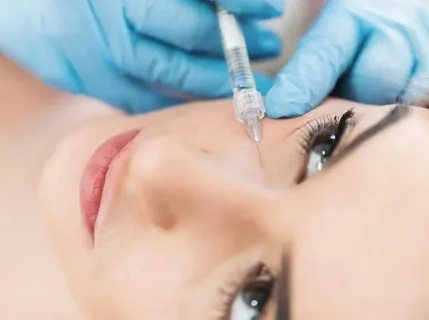
Keloid scar management often includes injectable therapies aimed at reducing raised tissue, softening scar texture, and limiting recurrence. In Dubai, dermatology and cosmetic clinics offer a range of intralesional treatments used alone or in combination with other modalities. This article summarizes common injectable options, safety considerations, expected outcomes, and practical points for patients seeking care in Dubai.
- Injectable therapies commonly used for keloid management include intralesional corticosteroids, 5-fluorouracil (5-FU), verapamil, bleomycin, and botulinum toxin.
- Combination approaches (injection plus cryotherapy, silicone sheets, or laser) often improve results and reduce recurrence.
- Safety and efficacy vary by agent; potential side effects include skin atrophy, pigmentation changes, and pain at the injection site.
- Dubai clinics operate under local health regulators; verify practitioner credentials and treatment facilities before proceeding.
How keloids form and why injections are used
Keloids are raised scars that extend beyond the boundary of the original skin injury. Pathophysiology involves fibroblast proliferation, excess collagen deposition (particularly type III collagen), and altered wound healing. Injectable agents are used to modify the local cellular environment—reducing inflammation, slowing fibroblast activity, or disrupting collagen synthesis—to flatten and soften scars and reduce symptoms such as itching or pain.
Common injectable treatments for keloid scar management
Intralesional corticosteroids
Triamcinolone acetonide and similar corticosteroids are among the most widely used agents. They reduce inflammation and collagen production, often decreasing scar height and discomfort over several sessions spaced weeks apart. Side effects reported in the literature include skin thinning (atrophy), telangiectasia, and pigment changes.
5-fluorouracil (5-FU)
5-FU is an anti-metabolite that can be injected alone or combined with steroids. Clinical studies suggest it may improve outcomes in steroid-resistant keloids by inhibiting fibroblast proliferation. Pain during injection and temporary ulceration are possible adverse effects.
Verapamil
Verapamil, a calcium-channel blocker used off-label for keloids, has been studied for its capacity to alter collagen metabolism. Results are mixed; some reports show benefit in reducing scar firmness, often when used alongside other treatments.
Bleomycin and botulinum toxin
Bleomycin has been used intralesionally in selected studies with reported reductions in scar volume, though risks include localized necrosis and hyperpigmentation. Botulinum toxin has been explored for its potential to reduce tensile forces around wounds and influence fibroblast behavior; evidence is emerging but not yet definitive.
Combination therapies and adjunctive approaches
Clinical practice commonly pairs injections with other measures to reduce recurrence: silicone gel sheeting, pressure therapy, cryotherapy, laser resurfacing, surgical excision followed immediately by injections or radiation, and intralesional therapies post-excision. Published dermatology guidelines and randomized trials support multimodal strategies for improved long-term control compared with single-modality treatment.
Safety, side effects, and monitoring
Risks depend on the agent and technique. Common local effects include pain, transient bruising, pigment changes, and skin atrophy. Systemic effects are uncommon with properly dosed intralesional injections. Documentation of informed consent, pre-treatment photographs, and follow-up assessments are standard practice. Regulatory oversight in Dubai is provided by authorities such as the Dubai Health Authority (DHA) and Dubai Healthcare City; clinics should comply with local licensing and infection-control standards.
Evidence and clinical guidance
Evidence for injectable treatments includes randomized controlled trials, case series, and systematic reviews. Dermatology organizations and national health services summarize available data and offer practical guidance for clinicians. For patient-facing overviews of keloid treatment options and evidence summaries, national health services provide accessible resources that outline risks and benefits.
For an accessible summary from a national health service, see the NHS guidance on keloid scars (NHS: Keloid scars).
Practical considerations for patients in Dubai
Choosing a qualified provider
Seek care from licensed dermatologists or plastic surgeons with experience in scar management. Confirm clinic licensing, ask about treatment protocols, and request before-and-after examples of similar cases. Local regulators such as the DHA provide facility and practitioner licensing information.
Number of sessions and cost
Multiple sessions are usually required—often spaced every 4–8 weeks—until a satisfactory response is achieved. Costs vary based on agent, clinic, and combination therapies. Insurance coverage for cosmetic versus medical indications can differ; verify benefits and exclusions with insurers before scheduling treatment.
Outcomes and recurrence
Response rates vary; partial flattening and symptom improvement are common, but keloids have a known tendency to recur. Recurrence risk is reduced by combined approaches and consistent follow-up. Long-term surveillance and early retreatment of recurrence are typical elements of management plans reported in clinical practice.
Research directions
Ongoing research focuses on targeted molecular therapies, optimized combination regimens, and standardized outcome measures. Clinical trials examine novel agents and comparative effectiveness to identify approaches that reliably reduce recurrence while minimizing adverse effects.
FAQ: What to know about keloid scar management
What is keloid scar management and how do injectables fit into treatment?
Keloid scar management encompasses conservative and interventional approaches to reduce scar size, symptoms, and recurrence. Injectables—such as corticosteroids, 5-FU, verapamil, and others—are used to modify scar biology and are frequently combined with adjunctive measures for better long-term control.
How many injectable sessions are typically needed?
Many treatment plans involve multiple sessions, commonly every 4–8 weeks, with the total number depending on scar size, response, and chosen agents. Clinic protocols vary; individualized assessment by a licensed clinician informs scheduling.
Are injectable treatments safe?
When administered by trained providers, intralesional injections are generally safe but can cause local side effects such as skin thinning, pigment changes, pain, and rarely ulceration. Proper dosing, technique, and follow-up minimize risks.
How should a clinic be selected in Dubai?
Choose clinics with licensed dermatologists or plastic surgeons, verify local regulatory compliance, review documented outcomes for comparable cases, and confirm sterile procedures and informed consent practices before proceeding with treatment.
Will insurance cover treatment for keloids?
Coverage depends on the insurer and whether the treatment is categorized as medically necessary. Verification with the insurer and detailed documentation from the treating specialist are commonly required for claims consideration.