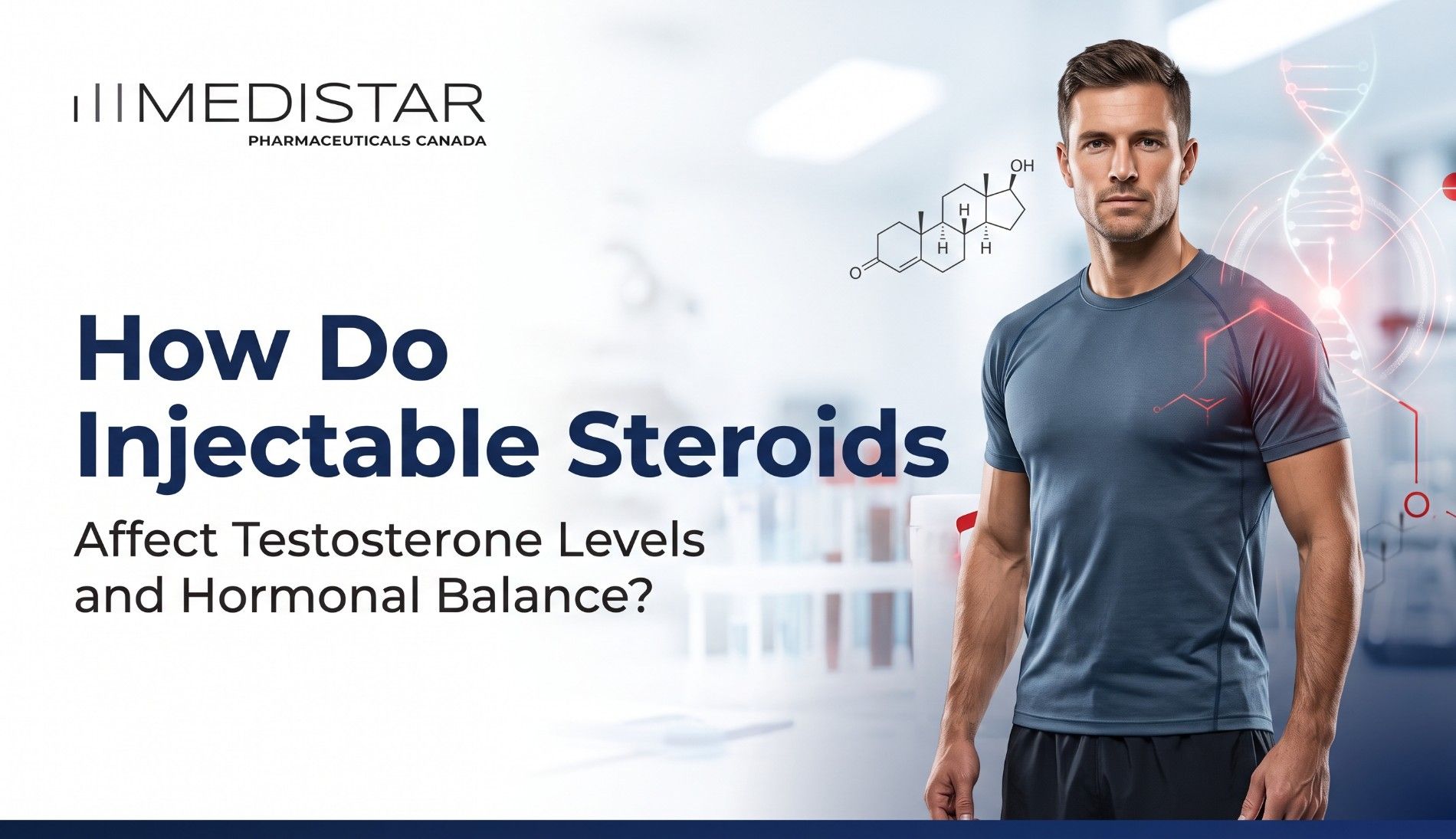
How Do Injectable Steroids Affect Testosterone Levels and Hormonal Balance?
-

- Published Updated
- 527 views
Injectable steroids can influence natural testosterone production and affect physical and reproductive health. Understanding these effects is important when learning about injectable steroids and their impact on the endocrine system. Although some steroid medications have legitimate medical uses, non-medical anabolic steroid use can disrupt hormonal balance and cause complications.
Key Highlights
- Anabolic steriods can supress the body's natural testosterone production.
- Hormonal changes may effect energy, libido, mood, and fertiltity.
- Recovery varies depending on individual health and exposure.
- Blood tests can help identify hormonal imbalances.
- Medical guidance is improved when symptoms persist.
How Injectable Steroids Affect Natural Testosterone
The body regulates testosterone through the hypothalamic-pituitary-gonadal (HPG), pituitary gland, and testes.
When anabolic steroids introduce additional androgenic activity, the brain may reduce signals. Consequently, testosterone production in the testes may decrease, potentially affecting sperm production and fertility and disrupting the body's normal hormonal regulation processes over time.
Some people experience noticeable symptoms, while others discover hormonal changes through laboratory testing.
Understanding these effects is important because hormonal disruption is one of the potential anabolic steroid side effects that may influence overall health.
Common Signs of Hormonal Imbalance
Hormonal changes can affect physical performance, sexual health, and emotional well-being. Symptoms vary between individuals and may develop gradually.
Physical Symptoms
Reduced libido, persistent fatigue, changes in body composition, and slower exercise recovery may occur when testosterone levels become abnormal. Some individuals may experience testicular shrinkage or fertility difficulties.
However, these symptoms do not automatically indicate low testosterone. Other medical conditions, poor sleep, stress, and nutritional deficiencies can produce similar effects.
Emotional and Cognitive Changes
Hormonal fluctuations may contribute to irritability, low mood, difficulty concentrating, and reduced motivation. Sleep disturbances can also affect energy levels and daily performance.
Anyone experiencing persistent symptoms should consult a healthcare professional instead of assuming steroid exposure is the only possible cause.
Can Natural Testosterone Recover After Steroid Use?
Natural testosterone production may recover after anabolic steroid exposure ends, but recovery timelines differ considerably. Factors include the compound used, exposure duration, hormonal suppression, and individual health.
Some people experience gradual improvement, while others develop prolonged suppression requiring medical evaluation. Fertility recovery may follow a different timeline from testosterone normalization.
The disappearance of noticeable drug effects does not necessarily mean hormonal function has returned to normal. Read this guide about how long to wait before starting PCT. Post-cycle therapy requires medical consideration, and hormonal medications should not be self-prescribed.
The Importance of Hormone Testing
Blood tests help determine whether testosterone levels are low and whether further investigation is necessary. Depending on the situation, healthcare professionals may assess total testosterone, luteinizing hormone, and follicle-stimulating hormone.
Because testosterone fluctuates naturally throughout the day, clinicians may recommend morning testing and repeat measurements before confirming a diagnosis.
People who have used anabolic steroids should disclose their exposure accurately.
Other Health Risks to Consider
Hormonal suppression is not the only concern associated with non-medical anabolic steroid use. Potential complications include cholesterol changes, elevated blood pressure, cardiovascular problems, acne, hair loss, and mood changes.
Injection practices can introduce additional risks, including infection, inflammation, and tissue injury. Understanding injectable steroids versus oral steroids explains differences in administration, but neither route is automatically safe.
Supporting Hormonal Health
Consistent sleep, balanced nutrition, regular physical activity, and stress management support general health. However, lifestyle improvements cannot reliably reverse steroid-induced hormonal suppression independently.
People experiencing persistent fatigue, sexual health concerns, or fertility difficulties should seek medical assessment. Prescribed testosterone treatment and non-medical anabolic steroid use are different, and treatment decisions should depend on individual diagnosis.
The Buy Injectable Steroids category page provides information about this product category. Product availability does not establish medical suitability or safety for individual use.
Final Thoughts
Injectable anabolic steroids can interfere with natural testosterone production and affect energy, mood, sexual health, and fertility. Although recovery is possible, its timing and extent depend on individual circumstances.
Recognizing symptoms, obtaining appropriate blood tests, and consulting a qualified healthcare professional are important steps toward understanding hormonal health and managing potential complications.
Frequently Asked Questions
1. Do injectable steroids lower natural testosterone?
Yes. Many anabolic steroids suppress the signals responsible for natural testosterone production.
2. How long does testosterone take to recover?
Recovery varies according to the compound, exposure duration, and individual health.
3. Can injectable steroids affect fertility?
Yes. Anabolic steroids may reduce sperm production and impair fertility.
4. Which tests identify low testosterone?
Healthcare professionals may assess testosterone, LH, FSH, and other markers.