Integrating Cell Technology and Immune Assays to Advance Cancer Research
-
- March 03rd, 2026
- 1,342 views

👉 Best IPTV Services 2026 – 10,000+ Channels, 4K Quality – Start Free Trial Now
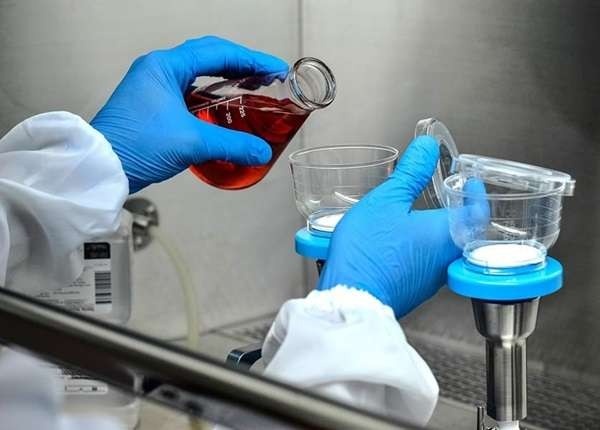
Advancing cancer research increasingly relies on the integration of modern cell technology and immune assays to better understand tumor biology, identify biomarkers, and develop targeted therapies. This article outlines key laboratory platforms, assay types, translational pathways, and data practices that support robust, reproducible progress in oncology research.
- Cell technologies such as organoids, primary cell cultures, CRISPR editing, and single-cell sequencing allow detailed study of tumor cells and the tumor microenvironment.
- Immune assays—flow cytometry, ELISpot, multiplex cytokine panels, and T cell functional assays—characterize immune responses and support biomarker discovery.
- Automation, microfluidics, and high-content imaging increase throughput and reproducibility for preclinical studies.
- Regulatory frameworks (FDA), public funders (NIH), and standardization practices are essential for translational success; see the National Cancer Institute for programmatic resources.
Advancing cancer research: Cell technologies that model tumors
Cell lines, primary cultures, and organoids
Traditional immortalized cell lines remain useful for mechanistic studies, while primary tumor cultures and patient-derived organoids better preserve heterogeneity and architecture. Organoids enable drug screening on tissue-like structures and can be linked to clinical annotations in biobanks to support translational research.
Genome editing and functional screens
CRISPR-based editing and pooled genetic screens identify genes that regulate proliferation, immune evasion, and drug sensitivity. Functional genomics combined with assays for apoptosis, proliferation, and signaling pathways helps prioritize targets for further validation.
Single-cell and spatial profiling
Single-cell RNA sequencing, ATAC-seq, and spatial transcriptomics reveal cellular diversity, lineage relationships, and cell–cell interactions within the tumor microenvironment. These technologies support discovery of rare cell types and states relevant to response or resistance to therapy.
Immune assays and profiling methods
Flow cytometry and mass cytometry
Multiparameter flow cytometry and mass cytometry (CyTOF) quantify immune cell subsets, activation markers, and checkpoint molecules. Standardized panels increase comparability across labs and trials and are often used in biomarker studies accompanying clinical research.
Functional T cell and B cell assays
Assays that measure T cell proliferation, cytokine production (ELISpot, intracellular cytokine staining), and cytotoxicity provide functional readouts of immune responses. B cell and antibody assays (ELISA, neutralization tests) assess humoral immunity and biomarker potential.
Multiplex cytokine panels and immunoassays
Multiplex bead-based assays and high-sensitivity immunoassays enable simultaneous measurement of multiple cytokines and chemokines from small samples, supporting immune profiling and correlative studies in preclinical and clinical settings.
Platforms, automation, and data standards
High-throughput and microfluidic platforms
Automation, liquid handling, and microfluidic systems allow miniaturized assays, single-cell capture, and higher throughput while reducing reagent consumption and variability. High-content imaging combines phenotypic readouts with automated analysis pipelines.
Reproducibility, metadata, and data sharing
Adherence to reporting standards (e.g., minimal information guidelines), use of controlled vocabularies, and FAIR data principles improve reproducibility and enable meta-analyses. Collaboration with biorepositories and centralized data platforms accelerates cross-study comparisons.
Translational pathways and regulatory considerations
Translating laboratory discoveries into clinical tools involves analytical validation, clinical validation, and regulatory review. Diagnostics and companion tests often fall under regulatory oversight by agencies such as the U.S. Food and Drug Administration (FDA). Public funders and programmatic resources such as the National Cancer Institute provide guidance, funding initiatives, and biorepository support to bridge preclinical findings to clinical trials.
Clinical validation and biomarker qualification
Biomarker development requires robust assay performance characteristics—specificity, sensitivity, reproducibility—and evidence that the biomarker correlates with clinical outcomes. Multisite studies, standardized protocols, and external quality assessment support credible validation.
Emerging directions and challenges
Integrating computational methods and AI
Machine learning and systems biology approaches integrate multi-omic, imaging, and clinical data to identify patterns and predictive signatures. Transparent model reporting and independent validation are critical for clinical adoption.
Spatial multimodal measurements and personalized approaches
Combining spatial transcriptomics, multiplexed imaging, and functional assays provides a comprehensive view of tumor–immune interactions. These multimodal datasets support personalized immunotherapy strategies and identification of new therapeutic targets.
Challenges
Common challenges include sample heterogeneity, limited tissue availability, assay standardization across laboratories, and the need for longitudinal studies. Addressing these issues requires coordinated networks, data sharing, and alignment with regulatory frameworks.
FAQ: Common questions about advancing cancer research
How is advancing cancer research using organoids and immune assays improving translational studies?
Organoids preserve three-dimensional tissue architecture and heterogeneity, while immune assays provide functional readouts of immune responses. Combining these approaches enables study of tumor–immune interactions, supports biomarker discovery, and provides preclinical platforms that better reflect patient biology for therapeutic testing.
What types of immune assays are most commonly used in preclinical cancer research?
Common assays include flow cytometry, ELISpot, intracellular cytokine staining, multiplex cytokine panels, ELISA, and cytotoxicity assays. Selection depends on the research question—quantifying cell populations, measuring functional responses, or profiling cytokine milieus.
What are important considerations for data reproducibility and sharing?
Use standardized protocols, annotate metadata thoroughly, apply quality control measures, and deposit datasets in recognized repositories when possible. Adopting FAIR principles and participating in interlaboratory comparisons can improve reliability and reuse of data.
Where can researchers find guidance on regulatory requirements and funding for translational oncology?
Regulatory guidance is available from agencies such as the FDA, and programmatic resources and funding mechanisms are provided by organizations like the National Cancer Institute and the National Institutes of Health (NIH). Consulting these sources early in translational planning supports compliance and funding alignment.