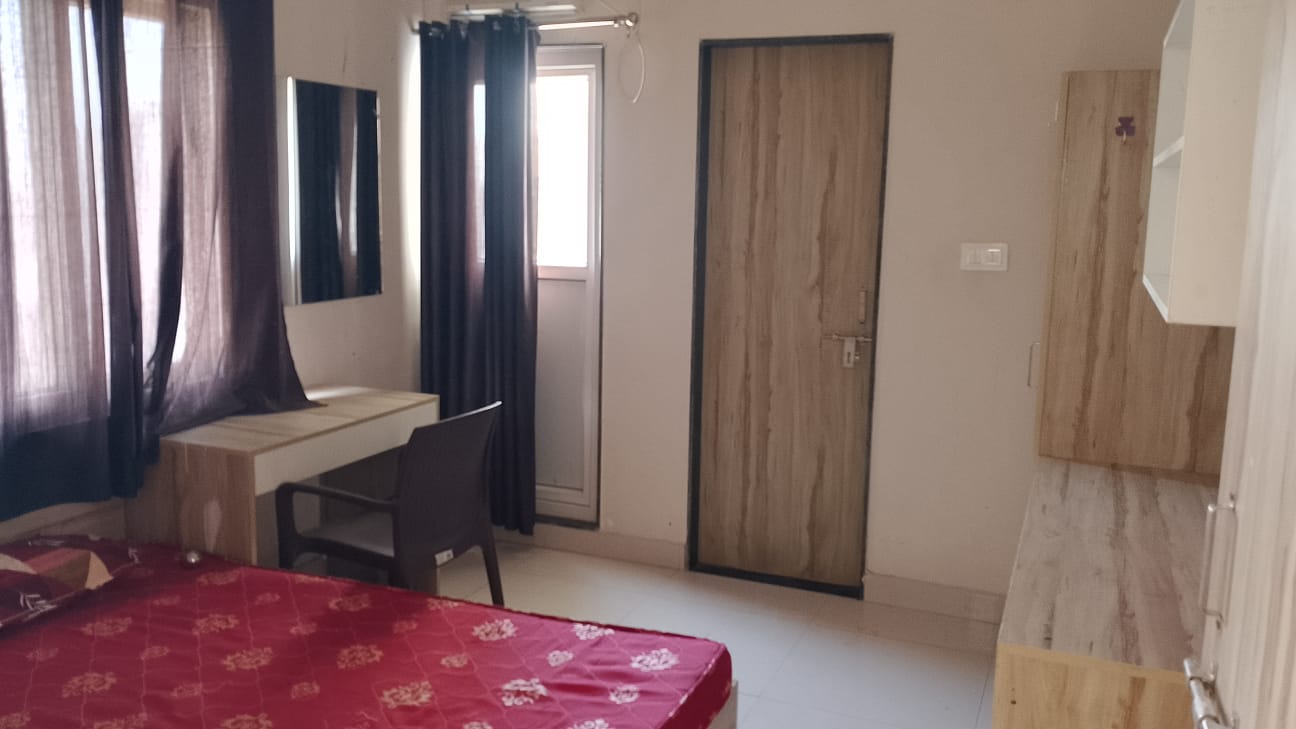
Where to Live in Germany: Accommodation Options for International Students (On-Campus & Off-Campus)
-

- February 23rd, 2026
- 1,785 views
Accommodation options for international students in Germany include university-run halls of residence, private apartments, shared flats (Wohngemeinschaft or WG), short-term furnished housing, and homestays. Choosing the right option depends on budget, desired location, contract length, and how quickly arrival and registration must be completed.
- On-campus halls (Studentenwohnheim) are usually cheaper and close to campus but limited in supply.
- Off-campus options include private apartments and WGs; these offer more privacy or community depending on choice.
- Plan ahead: start searching months in advance, understand Mietvertrag (rental contract), Kaution (deposit), and Anmeldung (registration).
- Use university housing services, Studentenwerk, and official resources like the DAAD for guidance.
Accommodation options for international students in Germany
On-campus housing: university halls and Studentenwerke
Many universities and Studentenwerke (student services organizations) run halls of residence or rooms in shared student flats. These accommodations tend to offer fixed monthly rent, simplified administrative procedures, and proximity to campus. Application windows and eligibility rules vary by institution; some places give priority to first-year or international students. Contracts can be for the semester, academic year, or longer. Advantages include lower rent and access to student communities; disadvantages are limited availability and potentially shared facilities.
Off-campus housing: private apartments and WGs (shared flats)
Off-campus options are the most common choice. Private studios or one-bedroom apartments give maximum privacy but usually cost more. Shared flats (Wohngemeinschaft or WG) are popular among students: a private bedroom combined with shared living areas and utilities. When renting privately, expect to sign a Mietvertrag (rental contract), pay a Kaution (deposit, often up to three months' rent), and be responsible for Nebenkosten (utilities and additional costs) unless specified as inclusive. Tenant rights in Germany are relatively strong; important terms include Kündigungsfrist (notice period), condition report (Übergabeprotokoll), and whether furniture is included.
Short-term and temporary options
Short-term options suit arriving students who need temporary housing while searching for a longer-term place. Options include short-stay furnished apartments, youth hostels, guesthouses, and sublets. Temporary housing can simplify the initial move and allow time for in-person viewings, contract checks, and registration. However, short-term rentals may carry higher per-month costs.
How to find and apply
Start searching as early as possible—many students begin three to six months before arrival, especially in large cities. Key channels include university international offices, Studentenwerk housing portals, national listings, local housing platforms, and social-media or student groups. For WGs and private rentals, prepare standard documents: proof of enrollment or admission letter, passport/ID, bank statements or proof of finances if required, and a SCHUFA or reference if asked (SCHUFA is a German credit record used mainly for long-term rentals). Always read the Mietvertrag carefully and clarify which costs are included.
Costs, contracts, and administrative steps
Monthly rent varies widely by city, with larger cities (e.g., Berlin, Munich, Hamburg) typically much higher than smaller university towns. Nebenkosten can cover heating, water, and common-area maintenance; confirm whether these are included. Typical contract clauses cover duration, deposit amount, notice periods, and any house rules. After moving in, Anmeldung (registration at the local Bürgeramt) is required for most residence permits and official correspondence. For up-to-date visa and residency information, consult the local Ausländerbehörde (immigration office) and the Federal Foreign Office or the Federal Office for Migration and Refugees (Bundesamt für Migration und Flüchtlinge, BAMF).
Practical tips for a successful housing search
- Apply early and keep alternative options ready; demand can outpace supply in major cities.
- Visit properties in person when possible, and never transfer large sums before signing a contract and verifying the landlord.
- Ask about included utilities, internet, cleaning responsibilities, and guest policies for shared flats.
- Learn common German rental terms to reduce misunderstandings during negotiations and contract review.
- Contact the university international office and local Studentenwerk for tailored assistance and waiting lists.
Resources and official support
University international offices and Studentenwerk provide guidance on applications, contracts, and temporary housing. National and regional student associations sometimes run waiting lists or emergency housing programs. For general guidance on studying and living in Germany, refer to official sources; see the DAAD for housing and study planning information: DAAD housing guide. Also consult local municipal services for registration and the Ausländerbehörde for residency matters.
Frequently asked questions
Accommodation options for international students in Germany: what are the main choices?
Main choices include university-run halls of residence, private apartments, shared flats (WG), short-term furnished rentals, and homestays. Each choice balances cost, privacy, and convenience differently; on-campus housing tends to be more affordable and closer to campus, while private rentals offer more independence.
How early should international students start looking for housing?
Start the search three to six months before the intended arrival date for semester starts in large cities; in smaller towns, two to three months may suffice. Deadlines and availability vary by university and city.
What documents are typically needed to rent a flat?
Common documents include passport/ID, proof of enrollment or admission, proof of income or finances, a signed Mietvertrag, and sometimes a SCHUFA or references. Landlords may request a deposit (Kaution) and proof of liability or household insurance for certain rentals.
Is it common to share a flat (WG) and how does it work?
Sharing a flat (WG) is very common among students. Each tenant typically signs either a joint rental contract with the landlord or a sublet/house agreement among flatmates. Household rules, cleaning rotation, and cost sharing should be clarified in advance.
Where can students get official help if they encounter problems with housing?
University international offices, Studentenwerk, student legal advice centers, and local tenant associations (Mieterverein) offer help. For regulatory questions about visas or registration, contact the Ausländerbehörde or local Bürgeramt.