iPhone 17 Pro Camera Upgrades: 5 Major Features and What They Mean for Photos
-

- March 23rd, 2026
- 682 views

Get a free topical map and start building content authority today.
The iPhone 17 Pro camera features bring several technical and computational changes that affect everyday photography and video workflows. This guide explains the five biggest upgrades, shows how to evaluate them with a simple checklist, and gives practical tips for using the new capabilities without common mistakes.
- Detected intent: Informational
- Primary keyword: iPhone 17 Pro camera features
- Secondary keywords: iPhone 17 Pro camera upgrades; smartphone photography improvements
- Core cluster questions included below for internal linking and further reading
iPhone 17 Pro camera features: 5 upgrades that change image quality
1) Larger stacked sensor with improved dynamic range and low-light performance
A bigger, stacked CMOS sensor plus faster on-sensor readout reduces noise, increases dynamic range, and enables shorter exposure times. The result is cleaner night photos, less motion blur in handheld shots, and better highlight retention in high-contrast scenes. This is a hardware-first change that benefits both stills and video.
2) Periscope telephoto for extended optical zoom
A periscope-style telephoto lens adds true optical reach (often 5x or more) without a bulky bump. Compared with digital zoom, periscope optics preserve detail and reduce artifacts. For portrait and wildlife shots at distance, this upgrade materially changes framing options and image quality.
3) Advanced computational photography and on-device AI
New multi-frame algorithms and on-device neural processing enable better stacking, subject-aware denoising, and more accurate HDR merging in real time. Expect smarter night mode, improved skin tones in portraits, and fewer halo artifacts around high-contrast edges. These are software-driven improvements that rely on both the sensor and processor.
4) Pro-grade video capture: ProRAW video, 10-bit, and log workflows
Video capture now supports higher bit-depth and ProRAW-style frames for professional color grading and extended dynamic range in post. For workflows that require precise color and exposure control, the new formats bring smartphone footage closer to dedicated cinema cameras. For official format details and general camera specifications, see Apple iPhone camera overview.
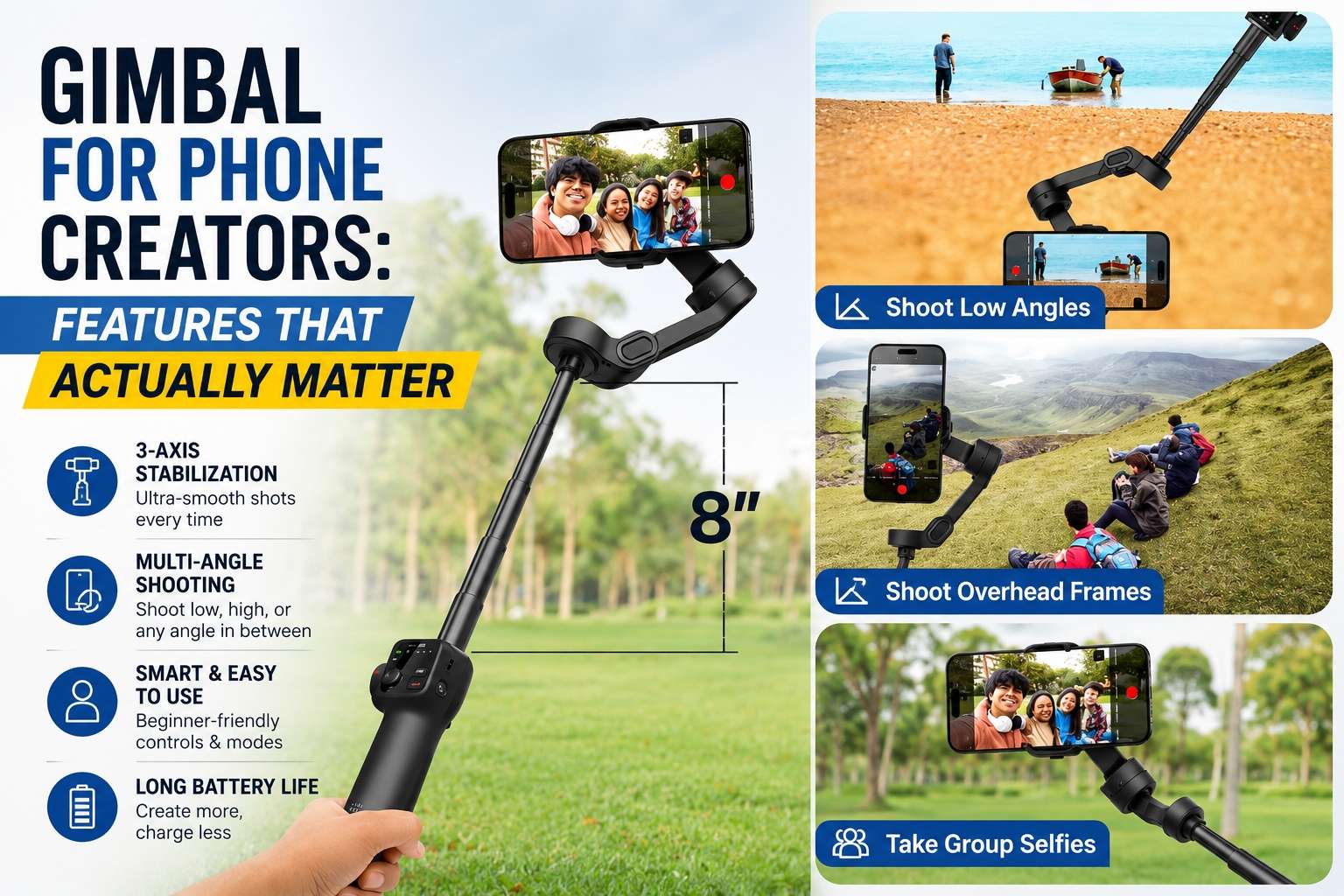
5) Improved stabilization, autofocus, and sensing (LiDAR/TOF enhancements)
Sensor-shift stabilization combined with improved gyro sampling and faster phase-detect AF reduces motion and rolling-shutter artifacts. Enhanced depth sensing (LiDAR or time-of-flight) improves autofocus in low light and enables better subject separation for portrait modes and AR use cases.
How to evaluate iPhone 17 Pro camera upgrades: the FOCUS checklist
Use the FOCUS checklist to compare practical gains across phones and updates.
- Focal range: Does the camera add useful optical zoom or just crop-based reach?
- Optics & aperture: Are lenses physically larger or faster (lower f-number)?
- Computation: Which new AI or multi-frame modes are available on-device?
- User controls: Are manual controls, log/RAW modes, and presets accessible?
- Sensor & stabilization: Is there a larger sensor, sensor-shift, or improved IMU sampling?
Short real-world example
A wedding photographer shooting reception portraits uses the larger sensor and improved AF to capture cleaner low-light images without flash; the periscope telephoto lets the photographer frame candid shots from the edge of the dance floor, while ProRAW video allows for consistent color grading across highlight-heavy scenes. Together these upgrades reduce reliance on extra lighting and cut post-production time.
Practical tips for using the new camera capabilities
- Enable multi-frame RAW or ProRAW for challenging lighting—keeping original frames preserves latitude for editing.
- Use optical zoom for distant subjects; switch to digital zoom only when stabilization and resolution allow it.
- Turn on on-device HDR or Smart HDR for high-contrast scenes; review results and disable if ghosting appears in fast action.
- For video, prefer 10-bit or log capture when planning heavy color grading; record a short test clip to confirm exposure and stabilization before a long take.
Common mistakes and trade-offs
Trade-offs are inherent in mobile camera design. Larger sensors and periscope modules add cost and can increase device size. Higher-resolution modes and ProRAW files consume storage and battery life. Common mistakes include relying on digital zoom when optical zoom is available, shooting in automatic HDR when bracketed exposures would yield cleaner results, and assuming on-device AI can fully replace good composition and lighting.
Core cluster questions
- How does the new sensor on the iPhone 17 Pro affect low-light photos?
- What differences does the periscope telephoto make for portrait and wildlife shots?
- Which computational photography features improve night mode and HDR?
- How does ProRAW video change post-production workflow for mobile footage?
- What practical limitations should be expected with longer optical zoom on phones?
FAQ
What are the key iPhone 17 Pro camera features that matter to everyday users?
The most relevant features are improved low-light performance from a larger sensor, a periscope telephoto for true optical zoom, smarter on-device computational photography, higher-bit video capture for grading, and better stabilization and autofocus. These combine to produce cleaner images, better distant shots, and more versatile video.
Will the iPhone 17 Pro camera upgrades replace a mirrorless or DSLR for professional work?
Smartphone cameras close the gap for many use cases, especially when portability and quick turnaround matter. However, dedicated mirrorless and DSLR systems still outperform phones for sensor size, control over depth of field, and lens interchangeability. The phone is a practical tool for many professionals but not a universal replacement.
How much storage and battery impact should be expected from new camera modes?
Higher bit-depth video and ProRAW capture produce much larger files. Expect several times the storage usage compared with compressed HEVC video or standard JPEG/HEIF images. Recording extended ProRAW video also draws more power; planning for additional storage and battery management is essential for long shoots.
Can the new computational features be turned off for a fully manual workflow?
Most recent devices include manual and Pro modes that allow disabling certain computational effects and capturing RAW/log formats. Check the camera settings and use the FOCUS checklist to verify that manual controls meet workflow needs.
How do iPhone 17 Pro camera upgrades affect smartphone photography improvements overall?
These upgrades accelerate smartphone photography improvements by pushing hardware (sensors, optics) and software (on-device AI, multi-frame processing) forward together. That combination raises baseline image quality, extends creative control, and narrows the gap with entry-level dedicated cameras for many practical shooting situations.