Effective IT Company Advertisements: PPC Strategies for Tech Services
-

- February 23rd, 2026
- 1,524 views

FREE SEO Topical Map Generator: Find Your Next Content Ideas
IT Company Advertisements commonly rely on PPC advertising to reach decision makers, promote software or managed services, and generate measurable leads. This article explains core PPC concepts, targeting and creative best practices, budgeting and bidding approaches, measurement methods, and compliance considerations relevant to technology firms.
- IT Company Advertisements often use pay-per-click (PPC) channels to target buyers by intent and industry.
- Effective campaigns combine clear value propositions, technical credibility, and precise audience targeting.
- Measurement, testing, and adherence to advertising regulations are essential for sustained ROI.
IT Company Advertisements: Overview and PPC Basics
PPC advertising (pay-per-click) charges advertisers when a user clicks an ad, making it suitable for campaigns that require measurable response rates. For IT companies, PPC can support product launches, promote service packages, and generate sales-qualified leads. Typical PPC placements include search engine results, professional networks, and technology-focused publisher sites.
Who sees these ads?
Ads can be targeted to users by search intent, job role (for B2B campaigns), industry vertical, geographic region, and past behavior. Audience segmentation helps reach CTOs, IT managers, developers, or procurement teams with tailored messages.
Common campaign objectives
Objectives include lead generation, demo or trial signups, webinar registrations, content downloads (white papers, case studies), and brand awareness within niche technical communities.
Strategy and Targeting for Technology Services
Define buyer personas and intent signals
Map campaign messaging to buyer personas (e.g., enterprise IT director vs. SMB operations manager). Combine keyword-based targeting for active research with audience-based targeting to engage potential future buyers.
Choose the right placements
Select placements where technical decision makers consume information: search engines for intent-driven queries, professional networks for role-based targeting, and industry sites or forums for niche visibility.
Creative, Messaging, and Landing Pages
Ad copy and value proposition
Use concise headlines that reflect a technical benefit (e.g., performance, security, cost savings). Include social proof such as customer counts, certifications, or case study outcomes to build credibility.
Landing page focus
Landing pages should align with ad intent and provide clear next steps: request a demo, start a trial, download a technical brief, or contact sales. Include measurable conversion elements like forms instrumented with analytics events.
Budgeting, Bidding, and Campaign Structure
Budget allocation
Allocate budget by funnel stage: higher spend on top-funnel brand and awareness efforts for long-term demand, and targeted spend on bottom-funnel keywords that indicate purchase intent. Monitor cost per acquisition (CPA) and adjust based on channel performance.
Bidding strategies
Choose bidding approaches that match goals: maximize clicks or conversions for lower-funnel actions, and target cost-per-acquisition or value-based bidding when conversion data is reliable. Test manual and automated bid strategies to find the balance between control and scale.
Measurement, Testing, and Optimization
Key performance indicators
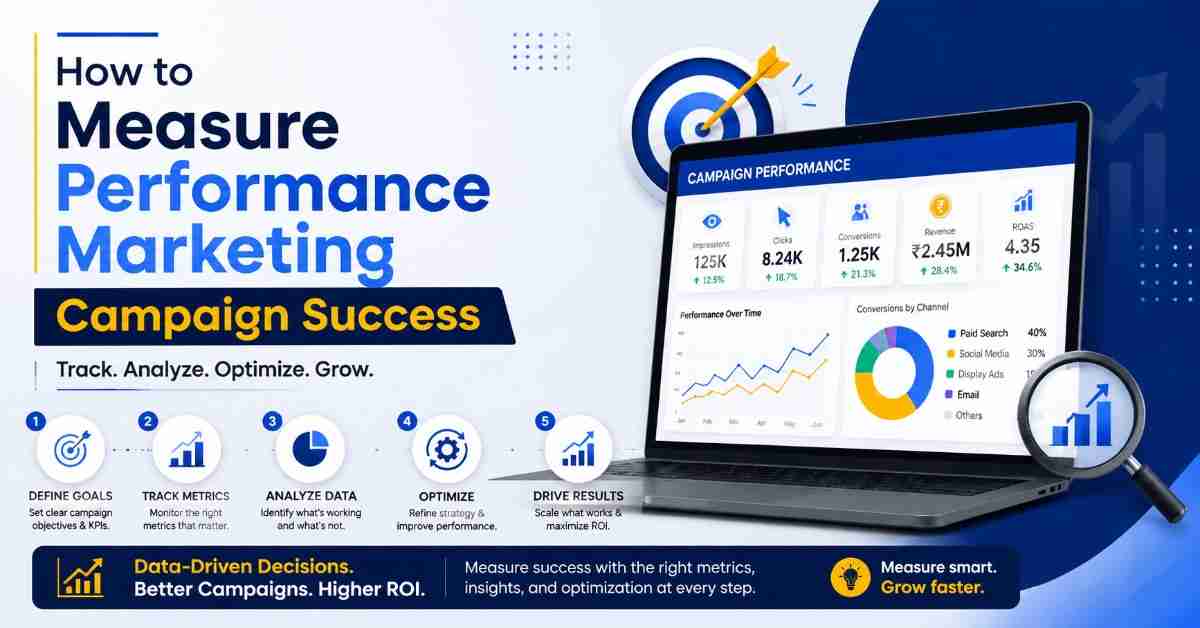
Track KPIs such as click-through rate (CTR), conversion rate, cost per lead (CPL), qualified lead rate, and downstream metrics like sales-accepted leads and revenue influenced. Use multi-touch attribution models to understand the role of paid ads in longer B2B sales cycles.
A/B testing
Regularly test headlines, descriptions, calls to action, landing page layouts, and form lengths. Use statistical significance and run tests long enough to avoid misleading results from small sample sizes.
Compliance, Transparency, and Trust Signals
Regulatory and disclosure considerations
Ensure advertising complies with truth-in-advertising and disclosure requirements in relevant jurisdictions. For guidance on advertising laws and best practices, consult official regulatory resources such as the Federal Trade Commission on advertising and marketing for businesses: FTC: Advertising & Marketing.
Industry standards and certifications
Reference independent certifications, compliance attestations, or widely recognized security standards when relevant. Industry bodies (for example, standards organizations or advertising trade groups) publish guidance on acceptable practices and measurement frameworks that can inform campaign design.
Implementation Checklist for IT Company Advertisements
- Define campaign objectives and target buyer personas.
- Choose channels and placements that match intent and audience.
- Create technical messaging with clear value and proof points.
- Build focused landing pages with measurable conversion events.
- Set realistic budgets and select bidding strategies aligned with goals.
- Implement analytics and attribution; set KPI dashboards.
- Run iterative A/B tests and optimize based on data.
- Review compliance and disclosure requirements regularly.
When to Consider Outside Help
Agencies or consultants with B2B technology experience can assist with campaign setup, technical copywriting, analytics instrumentation, and complex attribution modeling. Select vendors based on demonstrated outcomes with comparable technologies and transparent reporting practices.
FAQ
What are effective IT Company Advertisements for generating B2B leads?
Effective ads combine clear technical benefits, role-based targeting, relevant keywords or audience segments, and landing pages that convert with concise forms and technical resources (case studies, white papers). Measure conversion quality and optimize toward qualified leads rather than raw volume.
How should an IT company set PPC budgets?
Budgets depend on goals, market competitiveness, and lead value. Start with a test budget to gather performance data, then scale investment toward channels and keywords that deliver acceptable cost per qualified lead and fit sales capacity.
How can campaign performance be attributed in long sales cycles?
Use multi-touch attribution, lead scoring, and CRM integration to connect paid clicks to downstream outcomes. Track assist metrics as well as last-click conversions to understand contribution across the buyer journey.
How important is compliance in IT advertising?
Compliance is important: follow local advertising regulations, accurately represent product capabilities, and disclose material information. Consult regulatory guidance from official sources when designing advertising and marketing materials.