10 Practical Tips to Boost Your IT Services Ad Campaign ROI
-

- March 07th, 2026
- 1,493 views
Introduction
Running an effective IT services ad campaign begins with clear goals and an understanding of the target audience. An IT services ad campaign should connect technical offerings—such as managed services, cloud migration, or cybersecurity—with buyer needs, and measure outcomes like lead quality and cost per acquisition.
Plan an IT services ad campaign around audience and goals
Use a single planning section to set a baseline for all campaign decisions. Define the target industries, company sizes, and decision-maker roles (for example, CIOs, IT managers, or procurement leads). Translate business goals into measurable KPIs such as qualified leads per month, cost per lead (CPL), or sales pipeline value.
1. Define buyer personas and customer journey
Create brief buyer personas that capture pain points, typical procurement timelines, and preferred content formats. Map the customer journey from awareness (cloud strategy, risk concerns) to consideration (solution comparisons) to decision (pricing, SLAs). Tailor messages and offers to each stage.
2. Target by intent and firmographics
Prioritize targeting signals that indicate intent—search queries, content consumption, job roles—alongside firmographics such as industry, company size, and geographic market. Combine broader awareness channels with narrower intent-focused placements to balance reach and efficiency.
3. Build high-converting landing pages
Design landing pages that match ad messaging, clearly state the service value, and provide next steps: contact form, demo scheduling, or downloadable technical brief. Include concise trust signals such as compliance or certifications and make conversion paths mobile-friendly.
4. Craft technical but accessible ad creative
Develop creative that balances technical accuracy with business outcomes. Use headlines that highlight benefits (reduced downtime, secure cloud migration) and short supporting copy that addresses common objections such as integration effort or SLA expectations.
5. Choose the right bidding strategy and budget
Select bidding and budget settings that match campaign goals: impression-based budgets for awareness, CPC/CPA for lead acquisition. Set initial bids based on target CPL calculations and allow enough budget for meaningful testing before optimizing.
6. Implement conversion tracking and lead scoring
Track conversions beyond form submissions; include demo requests, qualified calls, and content downloads. Apply lead scoring to separate marketing-qualified leads (MQLs) from lower-intent contacts so that performance metrics reflect business value rather than raw volume.
7. Run systematic A/B tests
Test one variable at a time—headline, offer, image, or CTA—and run experiments long enough to reach statistical confidence. Document results and iterate, retaining winning combinations while rotating new hypotheses into the test cycle.
8. Use retargeting and nurturing sequences
Retarget visitors who engaged but did not convert with tailored messages based on their behavior (page viewed, time on site). Implement nurturing campaigns—email or ad sequences—that deliver technical content, case studies, and trial offers to move prospects down the funnel.
9. Align campaign reporting with sales
Share definitions of a qualified lead and expected follow-up timelines with sales teams. Close the loop by importing CRM outcomes into campaign reports so that true ROI reflects revenue influenced rather than just lead counts.
10. Monitor compliance and brand safety
Ensure ad copy and claims comply with advertising rules and industry regulations. Maintain brand safety by excluding placements that conflict with professional standards. For guidance on advertising and marketing compliance, consult official regulator resources such as the Federal Trade Commission guidance on advertising.
Measure, iterate, and scale
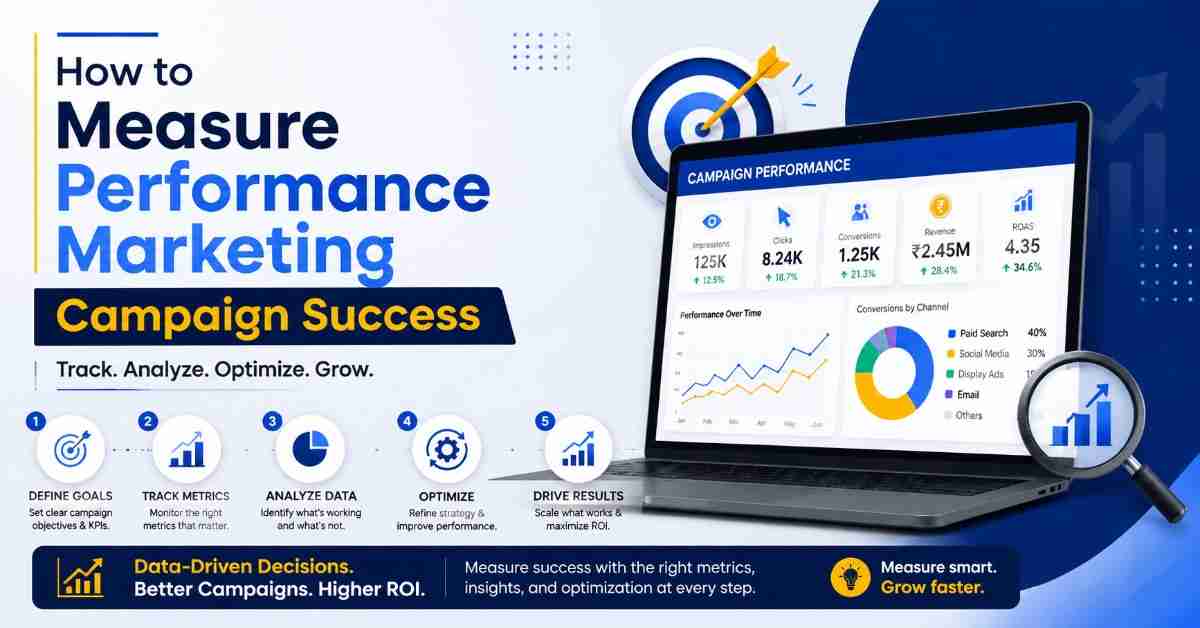
Establish a reporting cadence (weekly for optimizations, monthly for strategy) and a dashboard showing CPL, conversion rate, lead quality, and pipeline influence. Scale channels that demonstrate consistent qualified-lead performance and reallocate spend away from underperforming placements. Incorporate learnings into creative, targeting, and landing page updates.
Common metrics and technical considerations
Tracking and attribution
Use UTM parameters, server-side tracking where appropriate, and CRM integration to attribute leads to campaigns. Consider multi-touch attribution for longer B2B buying cycles where multiple interactions influence decisions.
Security and data handling
Follow best practices for handling leads and analytics data. Protect customer information in transit and at rest and comply with applicable data protection requirements in target markets.
Frequently asked questions
How long does an IT services ad campaign take to show results?
Timing varies by service complexity and buyer cycle. Awareness campaigns may show early signals in weeks, while lead-quality improvements and pipeline impact often require several months of testing and iteration to assess reliably.
What budget is typical for a B2B IT services ad campaign?
Budgets depend on target market, competition, and goals. Begin with a test budget sufficient to gather statistically meaningful results—often several thousand dollars per month—then scale based on CPA and lead quality.
Which channels work best for IT services?
Effectiveness depends on audience and offering. Search and intent-driven channels often generate high-quality inbound leads; professional content and targeted display/retargeting support awareness and nurture. Test a mix and prioritize channels that deliver qualified leads and measurable pipeline contribution.
How should ad performance be reported to stakeholders?
Report both activity-level metrics (impressions, clicks, CPL) and outcome metrics (qualified leads, pipeline influenced, conversion rate). Tie campaign performance to business objectives and include context on testing and planned optimizations.