Effective IT Services Advertising: How to Plan Online Ads and Choose an Ad Platform
-

- Published Updated
- 1,901 views

IT services advertising helps technology firms, managed service providers (MSPs), and cloud vendors reach buyers with online ads tailored to technical decision-makers. Effective IT services advertising balances technical messaging, channel selection, and measurable conversion tracking to drive qualified leads without overspending.
- Focus on audience segmentation (IT roles, company size, industry) and intent signals (search queries, content consumption).
- Choose ad platforms that support B2B targeting, conversion tracking, and integration with CRM systems.
- Measure cost per qualified lead and lifetime value, and comply with data rules such as GDPR and CCPA.
IT services advertising: channels, formats, and when to use each
An effective mix of paid search, social, display, and programmatic advertising can reach IT buyers at different stages. Search ads work well for high-intent queries (for example, "managed firewall provider"), social ads on platforms like LinkedIn are useful for role- and company-size targeting, and programmatic display can build awareness across industry sites.
Paid search
Pay-per-click (PPC) search campaigns capture active intent. Use keyword lists focused on specific services (cloud migration, network security), and set conversion goals tied to demo requests or whitepaper downloads. Integrate with analytics and CRM to track lead quality.
Social and account-based ads
Social platforms and account-based advertising let campaigns target by job title, company, or industry sector. Creative should highlight outcomes (reduced downtime, compliance support) and link to technical content such as case studies or solution briefings.
Display and programmatic
Display and programmatic buys support brand awareness and remarketing. Use contextual targeting on industry publications and secure programmatic partners to avoid placement next to misleading content.
Planning campaigns and defining goals
Define conversion events
Prioritize conversions that indicate commercial intent: qualified demo requests, proof-of-concept signups, or validated sales leads. Track micro-conversions (content downloads, webinar sign-ups) to optimize the funnel.
Budgeting and KPIs
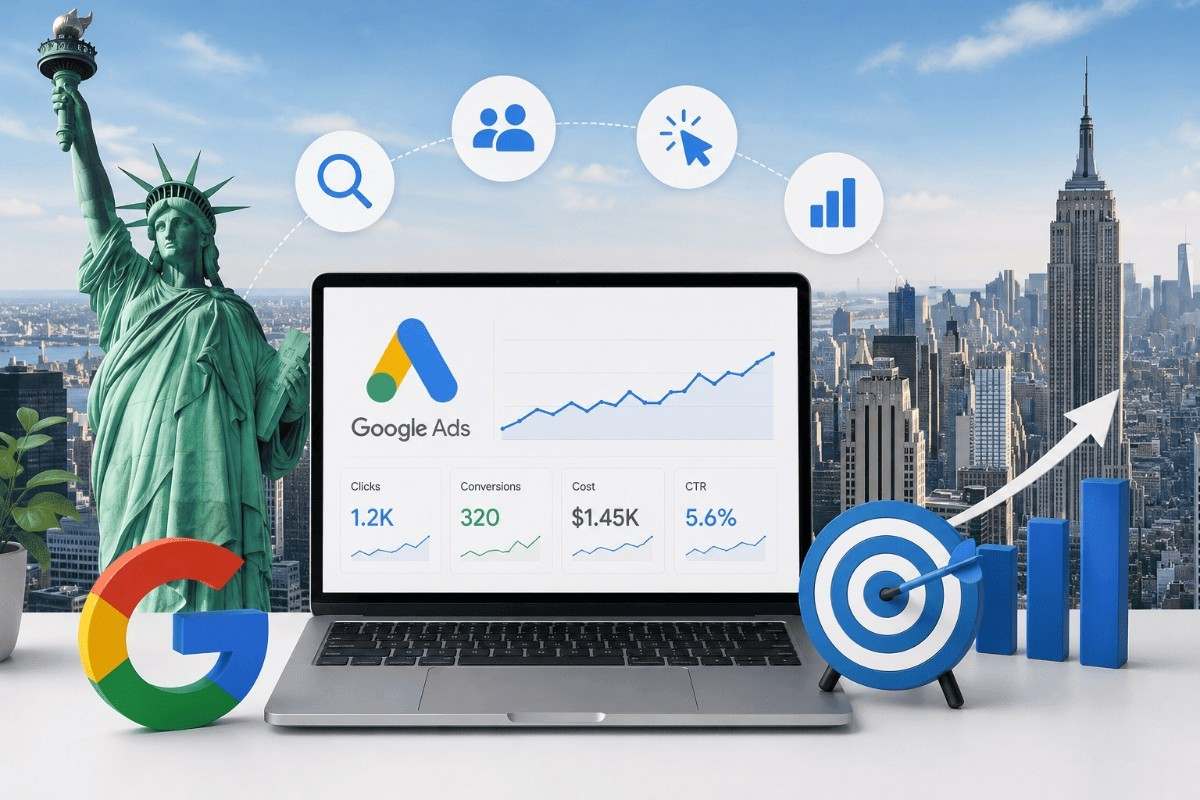
Set KPIs such as cost per qualified lead (CPQL), conversion rate, and pipeline contribution. For services with long sales cycles, measure assisted conversions and lead velocity as part of performance assessment.
Targeting, creative, and landing pages
Audience signals
Combine firmographic data (company size, industry), role-based targeting (CIO, network manager), and behavioral signals (site visits, content consumed). Use CRM and marketing automation data to create lookalike or similar audiences.
Ad creative and messaging
Technical audiences expect clear value propositions, security and compliance details, and evidence such as case studies or benchmarks. Use concise headlines, technical specs where relevant, and calls-to-action that match buyer intent.
Landing page best practices
Landing pages should load quickly, present relevant technical information, and include a clear next step. Use forms that collect the right qualification fields and integrate them with lead scoring workflows.
Measurement, attribution, and analytics
Accurate measurement uses first-party conversion tracking, CRM integration, and multi-touch attribution models to capture the role of awareness and retargeting in long sales cycles. Connect advertising platforms to analytics tools and regularly audit tracking for discrepancies.
Privacy and compliance
Ensure data collection and advertising practices comply with regulations such as GDPR and CCPA. Follow industry ad standards and disclosure guidance from regulators like the Federal Trade Commission (FTC), and implement cookie-consent flows and data processing agreements where required.
Ad platform features to prioritize
Evaluate platforms on targeting granularity, reporting and API access, fraud detection, and CRM integrations. Platforms that support server-side conversion tracking, custom audience uploads, and programmatic deals give more control for B2B IT services campaigns. For standardization and ad-quality guidance, consult industry resources such as the Interactive Advertising Bureau (IAB) for publisher and format standards: https://www.iab.com/.
Security and procurement considerations
IT organizations buying ad services should assess vendor security, data handling policies, and contractual terms. Evaluate certifications and whether the platform supports contractual provisions for data protection and incident response.
Choosing the right mix for MSPs and IT consultancies
Managed service providers and consultancies should prioritize channels that find technical buyers and support educational content. Start with a test budget across search and targeted social, measure early indicators (lead quality, demo conversion), then scale toward channels that deliver the best CPQL.
Frequently asked questions
What is IT services advertising and how does it differ from other B2B advertising?
IT services advertising targets technical decision-makers and emphasizes technical benefits, compliance, and integration capabilities. Campaigns typically rely on technical content and account-based strategies rather than purely brand-driven creative.
Which ad platforms are best for reaching IT decision-makers?
Platforms that offer role and company-size targeting, strong conversion tracking, and CRM integration tend to work best. Examples include search platforms for intent capture and professional social networks for role-based targeting.
How should campaign success be measured for IT services advertising?
Measure by cost per qualified lead, pipeline contribution, and long-term client value. Use CRM-connected analytics to attribute leads and assess the quality of conversions, not just raw volume.
How do privacy laws affect IT services advertising?
Privacy laws such as GDPR and CCPA affect audience targeting and data processing. Implement consent management, update privacy notices, and consult legal or compliance teams when processing personal data for ad targeting.
How can an organization prevent ad fraud and ensure brand safety?
Use verified programmatic partners, implement domain whitelists or blacklists, enable fraud detection tools, and monitor placement reports. Regular audits and third-party verification help reduce fraud and maintain brand safety.