Jaipur Travel Guide: Architecture, Art, Culture & Major Festivals
-
- February 23rd, 2026
- 1,962 views

FREE SEO Topical Map Generator: Find Your Next Content Ideas
Introduction
Jaipur architecture art culture festivals define the city's identity as the historic Pink City of Rajasthan, offering a tapestry of royal palaces, observatories, crafts and seasonal celebrations. Founded in the 18th century by Maharaja Sawai Jai Singh II, Jaipur blends Rajput planning and Mughal aesthetics with vibrant local traditions that continue to shape civic life and cultural production.
Jaipur is known for its distinctive architecture (Amer Fort, Hawa Mahal, City Palace, Jantar Mantar), rich artisanal traditions (miniature painting, blue pottery, block printing), lively performing arts and major festivals such as Gangaur, Teej, Diwali and the Jaipur Literature Festival. Several heritage sites are protected by national institutions and UNESCO recognitions, reflecting their historical and scientific importance.
Jaipur architecture art culture festivals: Historical and urban context
The city’s planned grid and fortifications reflect early modern urbanism in South Asia. Key influences on Jaipur’s built environment include Rajput design principles, Mughal landscape architecture and later Indo‑European styles introduced during the colonial period. City landmarks such as Amber (Amer) Fort, Hawa Mahal and the City Palace form an ensemble of palatial architecture, while the Jantar Mantar astronomical observatory represents a scientific achievement of the 18th century that is recognized internationally.
Architecture: Monuments, layouts and conservation
Major monuments and landmarks
Amer Fort (Amer), located on a hill to the north of the old city, features rammed earth, sandstone and marble and combines defensive structures with courtly pavilions. Hawa Mahal (Palace of Winds) is a distinctive five‑storey façade of latticed windows designed for ventilation and royal privacy. City Palace contains living quarters, ceremonial rooms and museum collections that illustrate courtly life.
Jantar Mantar and scientific heritage
Jantar Mantar houses large stone and masonry instruments for astronomical observation and is an important example of pre‑modern scientific architecture. It is listed as a UNESCO World Heritage Site and its conservation has been overseen by national heritage agencies and scholarly programs.
Conservation and heritage management
Conservation efforts in Jaipur involve local and national authorities, including the Archaeological Survey of India and state heritage departments. Adaptive reuse of historic buildings and protective regulation in core urban areas are part of ongoing heritage management, as described by public heritage bodies and academic studies in urban conservation.
Art and crafts: Techniques, materials and markets
Traditional crafts
Jaipur’s crafts include Rajasthani miniature painting, blue pottery, tie‑and‑dye textiles, block printing, Meenakari (enamel jewelry) and stone inlay work. Many crafts rely on centuries‑old techniques passed through family workshops and artisans’ guilds; these crafts are often sold in traditional bazaars and contemporary galleries alike.
Artistic institutions and education
Cultural institutions, craft cooperatives and regional design schools support training and market access. Exhibitions and curated shows periodically showcase both traditional forms and contemporary reinterpretations by emerging artists and designers.
Culture and performing arts
Music, dance and theatre
Folk music genres, classical forms and regional dances such as Ghoomar and Kalbeliya are part of Jaipur’s living cultural practice. Puppet theatre (kathputli) and storytelling traditions remain important for festival performances and private ceremonies.
Culinary traditions
Cuisine in the region features dishes and confectionery with local ingredients and techniques, reflecting royal kitchens as well as street food traditions. Foodways are part of cultural identity and seasonal celebrations.
Festivals and public events
Religious and seasonal festivals
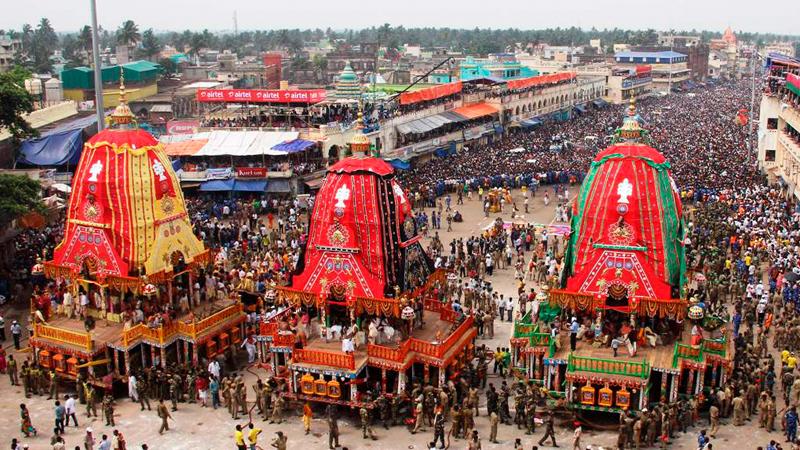
Major festivals observed in Jaipur include Gangaur and Teej, which celebrate marital fidelity and seasonal renewal, and national festivals such as Diwali and Holi. These events involve processions, ceremonial rites, music, dance and community gatherings.
Cultural festivals and public programming
Annual cultural events like the Jaipur Literature Festival and various craft fairs draw international and domestic visitors and provide platforms for literary, academic and artistic exchange. Such events contribute to the city’s contemporary cultural economy.
Practical considerations for study and visitation
Where to find reliable information
Authoritative sources on Jaipur’s heritage include national cultural agencies and UNESCO listings for specific sites. For example, the Jantar Mantar’s World Heritage entry provides official context on the observatory’s significance and conservation status: UNESCO — Jantar Mantar, Jaipur. State tourism departments and academic publications also publish inventories and research on regional culture and built heritage.
Research and documentation
Scholarly work from architecture, anthropology and history departments documents urban development, craft economies and festival practices. Archives, museum collections and oral histories complement field studies in building a fuller picture of Jaipur’s cultural landscape.
Further reading and authorities
Relevant institutions for further authoritative information include the Archaeological Survey of India, Rajasthan Department of Art and Culture, and UNESCO for sites with international recognition. Academic journals in South Asian studies and heritage conservation publish peer‑reviewed research on Jaipur’s monuments and cultural life.
FAQ
What are the must‑see sites that represent Jaipur architecture art culture festivals?
Key sites include Amer Fort, Hawa Mahal, City Palace, Jantar Mantar (UNESCO), Jal Mahal and the historic bazaars such as Johari Bazaar. These locations collectively reflect the city’s architectural heritage, artisan traditions and festival life.
When are major festivals in Jaipur celebrated?
Festivals follow lunar and seasonal calendars; Gangaur and Teej are typically observed in spring and monsoon seasons respectively, while Diwali and Holi align with pan‑Indian lunar months. Cultural events such as literature and craft festivals have scheduled annual dates that are announced publicly by organizers.
How do heritage organizations manage conservation in Jaipur?
Conservation is coordinated by national and state heritage bodies, sometimes in partnership with international organizations and academic institutions. Efforts include documentation, structural stabilization, regulated urban planning in heritage zones and community engagement programs led by local agencies and specialists.
Are there resources for learning about Jaipur’s traditional crafts?
Resources include museum collections, craft cooperatives, workshops, regional design institutes and publications on material culture. Marketplaces and specialized craft centers provide opportunities to observe techniques such as miniature painting, block printing and blue pottery.
Is Jantar Mantar recognized by UNESCO and why does it matter?
Jantar Mantar in Jaipur is inscribed on the UNESCO World Heritage List for its astronomical observatory instruments, which demonstrate historic scientific innovation and urban planning. The listing highlights the site’s value for heritage conservation and scholarly study.