Juvederm Fillers in Dubai: Complete Guide to Safety, Cost, and Results
-

- February 23rd, 2026
- 2,433 views
Juvederm fillers are a popular hyaluronic acid dermal filler used in cosmetic treatments to restore volume, soften lines and enhance facial contours. This guide explains how Juvederm works, what to expect from a treatment in Dubai, safety considerations, typical costs and recovery steps to help make informed decisions.
- What they are: Hyaluronic acid-based dermal fillers used for cheeks, lips, nasolabial folds and jawline.
- Procedure: In-clinic injection by a licensed provider, usually 15–60 minutes.
- Downtime: Mild swelling and bruising for a few days; full settling takes up to 2 weeks.
- Longevity: Results commonly last 6–18 months depending on product variant and treatment area.
- Safety: Choose a licensed clinic and trained injector; discuss medical history and possible complications.
Understanding Juvederm fillers
Juvederm fillers belong to a class of injectable treatments made from hyaluronic acid, a naturally occurring substance in the skin that attracts and holds water. Different Juvederm formulations are designed for specific uses — for example, some are optimized for fine lines while others add structural volume to cheeks or chin. Because Juvederm uses hyaluronic acid, its effects are reversible with an enzyme called hyaluronidase when administered by a qualified clinician.
How a typical treatment works
Initial consultation
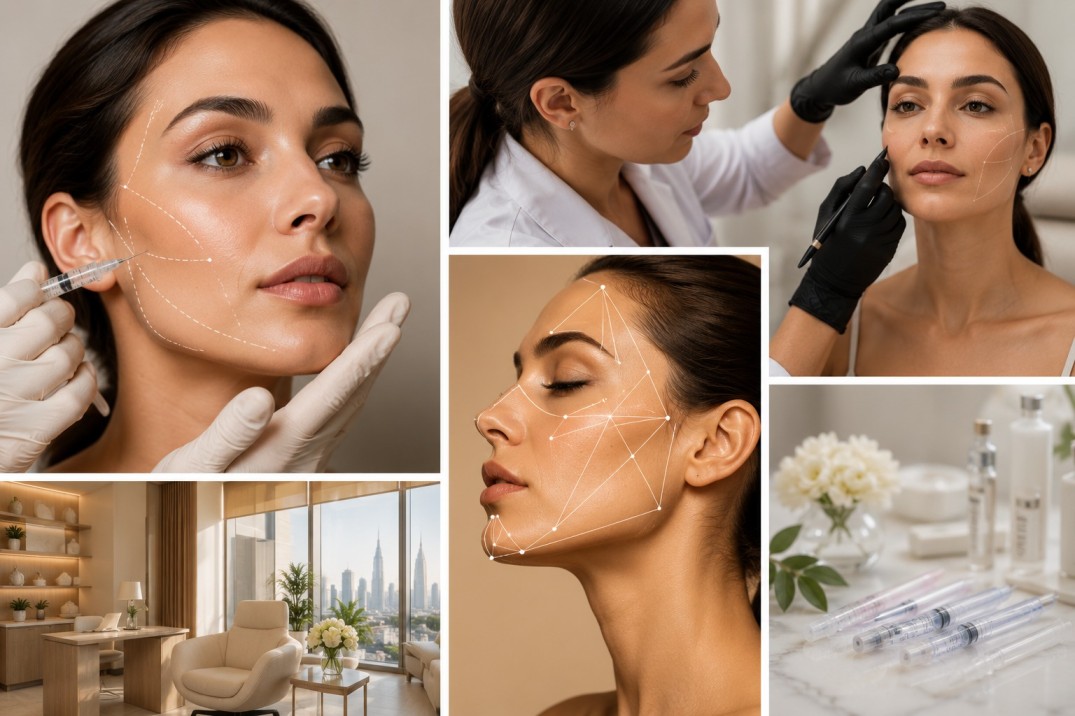
A pre-treatment consultation with a licensed practitioner is required. The clinician will review medical history, discuss expectations, explain risks and map injection sites. Inform the clinician about medications, allergies, recent procedures, or active skin conditions.
The injection session
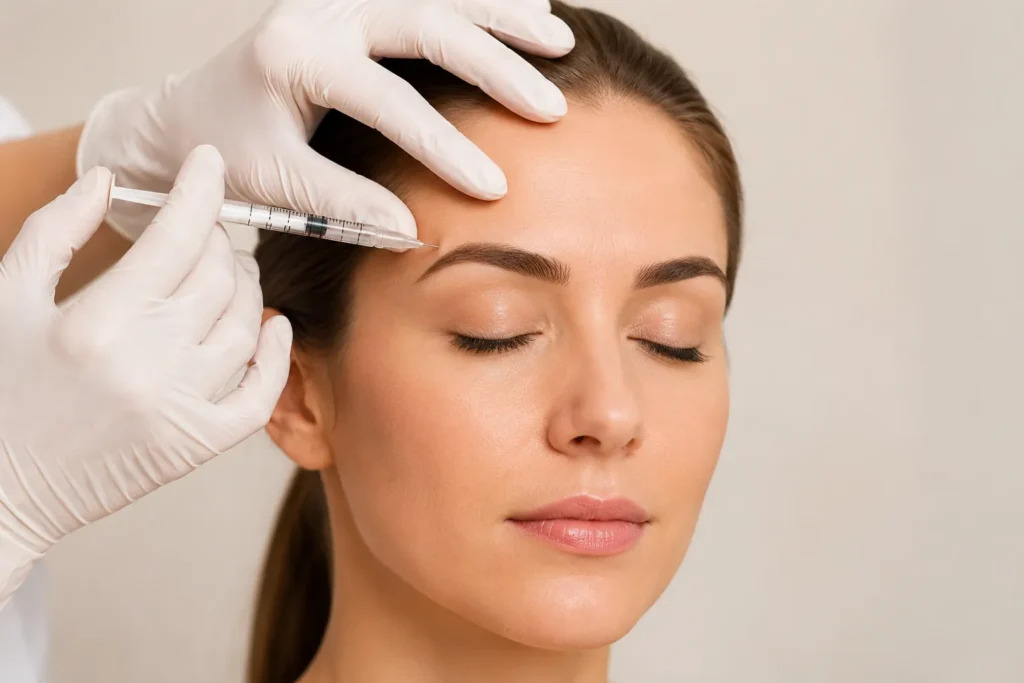
Treatments are usually performed in a clinic under local anesthetic or topical numbing. Injectable gel is placed into targeted areas using fine needles or cannulas. Session length varies by treatment area but commonly ranges from 15 to 60 minutes. Immediate results are visible, though final outcomes settle over days to weeks.
Is Juvederm right for you?
Not everyone is an ideal candidate. Typical candidates are adults seeking to reduce lines, restore facial volume or augment features. People with active skin infections, certain autoimmune conditions, or allergies to filler components should avoid treatment. A licensed practitioner should evaluate candidacy during the consultation.
Safety, risks and common side effects
Common, short-term effects
Temporary side effects often include redness, swelling, pain at the injection site, bruising and itching. These usually resolve within days to two weeks.
Less common and serious risks
Rare complications can include infection, lumps or unevenness, vascular occlusion (blood vessel blockage) and delayed inflammatory reactions. Immediate attention from a qualified clinician is important for signs of severe pain, skin color changes, or tissue compromise. Discuss risk mitigation and emergency protocols with the clinic before treatment.
Choosing a clinic and injector in Dubai
Select a clinic licensed by Dubai Health Authority (DHA) or appropriate UAE health regulator and verify the injector’s credentials. Look for clinicians with specific training in facial anatomy and injectable techniques. Reviews, before-and-after photos, and transparent consent forms help evaluate quality. Request information about product batch numbers and storage procedures.
Costs, product variants and longevity
Costs vary by clinic, injector experience, the number of syringes required and the Juvederm formulation used. Typical price ranges vary widely; clinics should provide a breakdown during consultation. Different Juvederm products (e.g., for volume vs. fine lines) influence how long results last—commonly six months to 18 months. Follow-up treatments or maintenance sessions are common to sustain results.
Recovery and aftercare
Aftercare guidance commonly includes avoiding strenuous exercise, excessive heat (sauna or sun), alcohol and blood-thinning medications for short periods as directed by the clinician. Gentle care of treated areas, cold compresses to reduce swelling, and avoiding pressure on injection sites helps healing. Schedule any recommended follow-up evaluations to assess results and address concerns.
Regulation, product safety and trusted information
Dermal fillers are regulated by health authorities in many countries. For general regulatory information on soft tissue fillers, consult authoritative guidance such as the U.S. Food and Drug Administration’s resources on fillers and related devices. Clinics in Dubai should comply with local health authority rules and licensing; verify accreditation and practitioner registration before treatment.
FDA guidance on soft tissue fillers
Making an informed decision
Deciding on Juvederm involves balancing desired outcomes, safety considerations and realistic expectations. A licensed clinician should explain alternatives, expected duration, likely costs and potential side effects. Scheduling a consultation and asking for clear, written information helps ensure an informed choice.
Frequently asked questions
How long do Juvederm fillers last?
Longevity depends on the Juvederm product and treatment area; many results last between six months and 18 months. Metabolism, lifestyle and injection technique influence duration.
Are Juvederm fillers reversible?
Hyaluronic acid fillers like Juvederm can often be dissolved with hyaluronidase by a trained professional if removal is necessary. Discuss this option with the treating clinician before the procedure.
Are Juvederm fillers safe in Dubai?
When administered by licensed, experienced injectors in accredited Dubai clinics that follow local health regulations, Juvederm fillers are commonly considered safe. As with any medical procedure, there are risks—discuss medical history, potential complications and aftercare with the provider to make an informed decision.
What should be discussed during a consultation?
During consultation, review medical history, treatment goals, product type, expected results, risks, costs, post-treatment care and emergency plans. Request to see before-and-after images and verify licensing information.
Can fillers be combined with other cosmetic treatments?
Fillers are often used alongside other treatments (e.g., botulinum toxin, laser procedures or skin resurfacing). Coordination with the treating clinician is important to schedule procedures safely and optimize results.