Kailash Manasarovar Yatra: A Complete Guide for 2027
-

- Published Updated
- 65 views
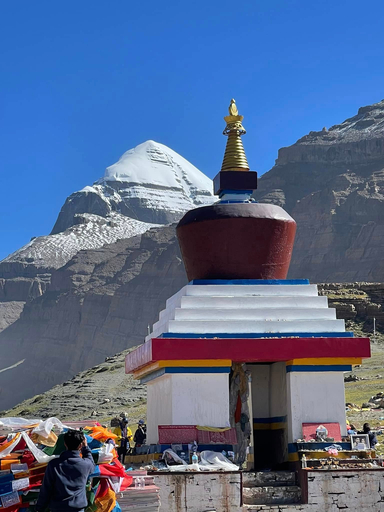
The Kailash Mansarovar Yatra overlandis more than a journey through the Himalayas. For millions of Hindu, Buddhist, Jain, and Bon followers, Mount Kailash holds deep spiritual meaning. Nearby Lake Manasarovar is equally important, drawing pilgrims who seek prayer, reflection, and a connection with an ancient sacred landscape.
Planning this pilgrimage requires more than booking a tour. You need the right travel documents, a suitable route, time to adjust to high altitude, and a clear understanding of the physical challenges involved.
In this complete Kailash Manasarovar Yatra 2027 guide, Holy Kailash Tours explains the main travel routes, the Mount Kailash parikrama, preparation, accommodation, costs, and important details to consider before booking your pilgrimage from Nepal.
Why Is Kailash Manasarovar Yatra So Special?
Mount Kailash stands at approximately 6,638 metres in the remote Ngari region of Tibet. Hindus revere it as the abode of Lord Shiva and Goddess Parvati. Buddhists associate the mountain with Demchok, a deity representing supreme bliss. Jain traditions connect the region with Rishabhadeva, the first Tirthankara, while Bon followers regard the mountain as a sacred centre of their spiritual world.
Lake Manasarovar lies near Mount Kailash and has a special place in Hindu religious tradition. Many pilgrims visit the lake to pray, meditate, and experience the quiet surroundings of the Tibetan Plateau.
One important distinction matters when planning your journey. Visiting Lake Manasarovar and viewing Mount Kailash do not require the same physical effort as completing the full mountain circuit, known as the Kailash parikrama or kora. The pilgrimage can be meaningful even if your health does not allow you to complete the trek.
Best Time for Kailash Manasarovar Yatra in 2027
The main travel season generally runs from May to September, depending on weather, road conditions, border operations, and government permissions. May and June can offer attractive conditions for pilgrims who want to travel before the monsoon becomes more active in Nepal. July and August bring warmer daytime conditions on parts of the Tibetan Plateau, although rain can affect roads and flights on the Nepal side. September can offer clear mountain views, but temperatures begin to fall.
The best departure date depends on your preferred route and physical preparation. Full moon departures attract particular interest because of their spiritual significance. However, popular dates can also create pressure on accommodation, transport, and group arrangements.
For a 2027 pilgrimage, confirm the actual departure date, permit status, border arrangements, and expected weather conditions before making nonrefundable international travel bookings.
Which Route Should You Choose for Kailash Manasarovar Yatra?
Travelers departing from Nepal can consider different routes depending on their nationality, budget, available time, and comfort with long drives or mountain flights.
Kailash Manasarovar Yatra Overland from Kathmandu
The overland route is a popular option for pilgrims who prefer to travel mainly by road. A typical journey crosses from Nepal into Tibet through an approved border crossing and continues across the Tibetan Plateau toward Saga, Lake Manasarovar, and Darchen, the starting point for the Kailash parikrama.
A 14 day itinerary is commonly offered, although the actual duration depends on border procedures, acclimatization requirements, road conditions, and the operator's schedule.
The long drives are an important part of this experience. You pass through high mountain landscapes, open grasslands, remote settlements, and wide valleys. The scenery is striking, but travel days can be tiring, and road conditions may change without much notice.
For 2027, check which Nepal Tibet border crossing your operator plans to use. Do not assume that a route will be operating simply because it appeared in an earlier itinerary.
Kailash Manasarovar Yatra via Lhasa
The Lhasa route suits travelers who want to visit Tibet's historic capital before continuing to Mount Kailash. Many itineraries allow two or three days in Lhasa for sightseeing and initial acclimatization.
Potala Palace, Jokhang Temple, and Barkhor Street are among the principal cultural attractions. From Lhasa, the journey continues overland through western Tibet toward the Kailash and Manasarovar region.
Lhasa sits at approximately 3,656 metres above sea level. Spending time there may help your body begin adjusting to altitude, but it does not eliminate the risk of altitude sickness during the journey to higher elevations.
A typical Lhasa route takes around 15 to 16 days, depending on the itinerary. It is a good option for travelers who want a combination of Tibetan cultural experiences and the sacred pilgrimage.
Kailash Manasarovar Yatra by Helicopter
The helicopter option can reduce some of the long road journeys on the Nepal side. A typical itinerary connects Kathmandu with Nepalgunj and Simikot, followed by a flight or helicopter transfer toward Hilsa, subject to the operating plan and weather. Travelers then continue through the required border and transport arrangements toward Tibet.
A helicopter package does not mean flying over Mount Kailash or landing on the mountain. The flights serve specific transport connections on the Nepal side of the journey.
A journey of around 10 to 11 days may be offered, but the final schedule depends on flight availability, border procedures, permits, and acclimatization needs. Weather delays can affect mountain flights, so keep extra time available before your onward international flight.
What Happens During the Mount Kailash Parikrama?
The Mount Kailash parikrama is one of the most demanding parts of the pilgrimage. The traditional circuit covers approximately 52 kilometres and is commonly completed over three days.
The journey usually begins at Darchen, where pilgrims prepare for the trek and organise their essential supplies. On the first day, travelers walk toward Dirapuk Monastery, where views of Mount Kailash can be especially striking in clear weather.
The second day is the most challenging for many pilgrims. The route crosses Dolma La Pass, which reaches approximately 5,630 metres above sea level. The steep ascent, thin air, cold winds, and uneven terrain make this section physically demanding. Descending from the pass requires care because loose stones, snow, and fatigue can make walking difficult.
The third day continues toward Zuthulpuk before the group completes the circuit and returns to the Darchen area.
Walking speeds vary considerably. Some pilgrims complete each day's section comfortably, while others need frequent rests. Horses or other assistance may be available on certain sections through local arrangements, but availability, permitted use, and the ability to obtain help at short notice should never be assumed. The route over Dolma La still requires careful planning, and assistance cannot remove every physical risk.
Permits and Travel Documents for 2027
Kailash Manasarovar is located in Tibet, so international travelers must meet the entry and travel requirements that apply to their nationality and itinerary. Depending on the route, these can include Chinese visa arrangements, a Tibet Travel Permit, additional regional permissions, and Nepal restricted area permits for relevant sections of the journey.
The exact requirements can differ for Indian passport holders and travelers of other nationalities. Indian citizens considering the government organised pilgrimage through Lipulekh or Nathu La should follow the separate application process published by India's Ministry of External Affairs. Those routes are distinct from privately arranged journeys departing through Nepal.
Holy Kailash Tours assists travelers with the relevant documentation and permit coordination for its offered itineraries. However, the final approval of visas and permits rests with the competent authorities.
Before confirming a booking, provide a clear passport copy and recent photograph if requested. Check passport validity, spelling of your name, and the expiry date well in advance. Ask your operator to confirm which documents are required for your nationality and whether the proposed route is authorised for your departure date.
Kailash Manasarovar Yatra Cost in 2027
The total cost depends on your route, travel dates, group size, accommodation arrangements, and nationality.
For international travelers booking through Nepal, Holy Kailash Tours lists indicative 2027 starting prices of USD 2,599 per person for the overland package, USD 3,799 for the Lhasa route, and USD 2,999 for the helicopter group joining option.
These figures are starting prices, not a guarantee that every departure or traveler will receive the same rate. Confirm the final quotation in writing before paying a deposit.
Ask what the package includes. Important details include Tibet travel permits, visa processing where applicable, transport, accommodation, meals, Tibetan guide services, border transfers, and support during the parikrama. Also confirm whether international flights, travel insurance, personal expenses, horse hire, emergency evacuation, and additional hotel nights are excluded.
A transparent quotation helps you understand the actual cost rather than comparing package prices that include different services.
Accommodation and Food During the Yatra
Accommodation varies by route and location. In Lhasa, travelers can usually expect a wider choice of hotels. Along the remote route toward Mount Kailash, accommodation is simpler, and facilities may be limited.
During the parikrama, lodging near Dirapuk and Zuthulpuk is generally basic. Shared rooms, dormitory arrangements, limited heating, and simple washing facilities may be part of the experience. Pilgrims should prepare for cold nights and avoid expecting the same comfort available in major cities.
Meals depend on the tour arrangement and the facilities available along the route. Common options may include rice, noodles, vegetables, soup, and other simple dishes. Travelers with dietary requirements should inform the operator before departure. If you follow a vegetarian diet, confirm how meals will be arranged during the more remote sections.
Carry suitable snacks and any essential dietary supplies you may need when traveling between settlements.
Health, Fitness, and Altitude Safety
Altitude is one of the most important factors to consider before booking the Kailash Manasarovar Yatra. The journey reaches elevations where oxygen availability is significantly lower than at sea level. Even physically active travelers can develop altitude sickness.
Speak with your doctor before travelling, particularly if you have a medical condition or take regular medication. Your doctor can advise whether the trip and the high altitude walking are appropriate for you.
Allow time for acclimatization and follow the itinerary's planned rest periods. Walk slowly, drink fluids regularly, eat enough, and avoid pushing yourself to keep pace with other group members.
Watch for headache, nausea, dizziness, unusual tiredness, and loss of appetite. Severe breathlessness at rest, confusion, difficulty walking straight, or a worsening headache with vomiting can signal a medical emergency. Tell your guide immediately if symptoms develop. Do not continue ascending when altitude sickness is suspected. Descent and urgent medical assessment may be necessary.
Travel insurance should explicitly cover high altitude trekking, emergency evacuation, and medical treatment for the activities and elevations included in your itinerary. Ordinary travel insurance may not cover every part of this pilgrimage.
What Should You Pack?
Pack for cold weather, strong sunlight, wind, and long walking days. Warm layers, a waterproof outer jacket, sturdy trekking boots, comfortable socks, gloves, a warm hat, sunglasses, and high protection sunscreen are useful essentials.
Bring personal medicines, basic first aid supplies, a reusable water bottle, and any prescribed medication in its original packaging. A small daypack helps you carry water, snacks, extra layers, and other items needed during the parikrama.
Keep important travel documents secure and carry enough accessible cash for unexpected expenses. Remote settlements may have limited payment facilities, and mobile connectivity can be unreliable.
Break in your trekking boots before leaving home. Blisters and poorly fitting footwear can turn an already difficult walking day into a serious problem.
Is Kailash Manasarovar Yatra Suitable for Senior Citizens?
Age alone does not determine whether someone can undertake this journey. Overall fitness, medical history, walking ability, and tolerance for altitude are more important factors. However, the remoteness, basic accommodation, cold conditions, and demanding terrain mean that older travelers should prepare especially carefully.
Senior pilgrims should obtain medical advice before booking and discuss their needs with the tour operator. Ask about the pace of the itinerary, access to medical assistance, options for skipping the parikrama, and the arrangements available if someone becomes unwell.
Completing the full circuit is not compulsory for every traveler. You may choose to visit Lake Manasarovar and view Mount Kailash without attempting the high pass. Any decision to shorten the journey should be discussed with your guide and made with your health in mind.
Why Plan Your Yatra with Holy Kailash Tours?
Holy Kailash Tours operates from Thamel, Kathmandu, and specialises in sacred Himalayan journeys, including Kailash Manasarovar pilgrimage packages. Planning a trip to this remote region requires careful coordination between Nepal side transport, Tibet travel arrangements, documentation, accommodation, and the timing of the parikrama.
Our aim is to help travelers understand the practical details before they commit to a departure. When comparing itineraries, ask clear questions about permits, included services, accommodation, emergency procedures, and the plan for weather or border delays.
For your 2027 journey, contact Holy Kailash Tours to discuss the route that best suits your schedule, nationality, budget, and physical condition. Request a detailed itinerary and written quotation, and confirm all essential arrangements before making your final payment.
Final Thoughts
The Kailash Manasarovar Yatra combines spiritual devotion with a challenging journey through one of the world's highest inhabited regions. Its value lies not only in reaching the sacred lake or seeing Mount Kailash, but also in approaching the pilgrimage with patience, preparation, and respect for the landscape.
A well-planned journey starts with honest decisions about your health, the route you choose, the documents you need, and the conditions you may encounter. For 2027, verify current travel permissions and border operations before departure, and allow enough time for altitude adjustment and unexpected delays.
With careful preparation and the right support, you can approach this sacred pilgrimage with a clearer understanding of what lies ahead and a greater appreciation for the experience.