Skin Booster Injections: Evidence-Based Benefits, Procedure, and Aftercare
-

- March 04th, 2026
- 572 views

FREE SEO Topical Map Generator: Find Your Next Content Ideas
Introduction
Skin booster injections are minimally invasive treatments designed to improve skin hydration, texture, and elasticity by delivering small amounts of biocompatible substances—most commonly hyaluronic acid—into the dermis. This guide explains what skin booster injections do, who may benefit, realistic results, and how to choose safe care and aftercare practices.
- Skin booster injections boost skin hydration and stimulate structural support in the dermis with controlled microinjections.
- Typical candidates seek improved skin quality rather than dramatic volume change.
- Expect a short procedure, a series of 2–3 treatments spaced weeks apart, and a measurable improvement in texture and radiance lasting months to a year depending on product and skin.
- Safety depends on product, injector skill, and appropriate aftercare; consult regulated clinical guidance and product labeling.
Detected intent: Informational
Benefits of skin booster injections
Skin booster injections address skin quality by increasing dermal hydration, supporting collagen and elastin function, and improving surface smoothness. Benefits commonly reported in clinical studies include reduced transepidermal water loss, improved elasticity, and softer fine lines. The primary outcomes target skin texture and resilience rather than the dramatic volume correction offered by standard dermal fillers.
How skin booster injections work
Active ingredients and mechanisms
Many skin boosters use low- to medium-molecular-weight hyaluronic acid (HA) formulated for microinjection. Other approaches include amino-acid cocktails, poly-L-lactic acid (in different protocols), or platelet-rich plasma (PRP). The general mechanism is intradermal placement to hydrate the dermis directly and to create a microenvironment that supports extracellular matrix remodeling and mild fibroblast activation.
Related terms and methods
Commonly associated treatments and terms include mesotherapy, microneedling with topical serums, PRP, and superficial crosslinked HA. The treatment sits between topical skincare and full dermal fillers in purpose and effect.
Who is a good candidate?
Ideal candidates want improved skin quality—less crepey texture, better luminosity, and smoother fine lines—without major volume change. Candidates should have realistic expectations and be in overall good health. Contraindications include active skin infection at the injection site, uncontrolled systemic illness, and certain autoimmune conditions (assess with a licensed practitioner).
Standard procedure and timeline
Before the appointment
A consultation should cover medical history, ingredient allergies, and prior cosmetic treatments. Medication review (blood thinners, certain supplements) reduces bruising risk.
During the session
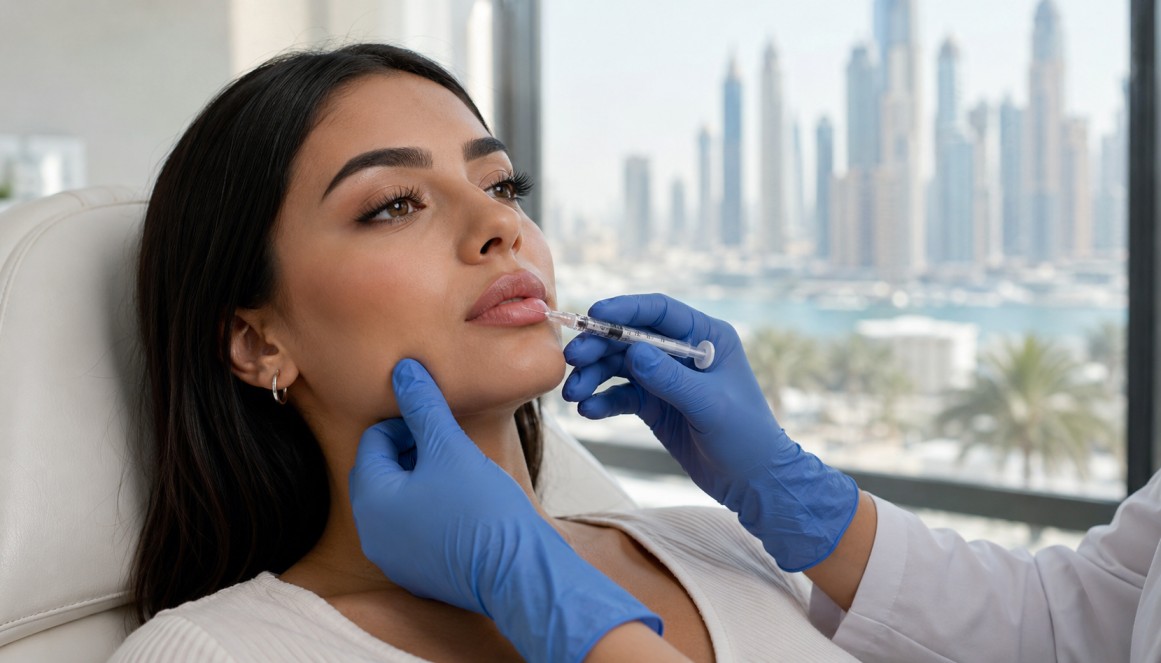
Treatments involve multiple microinjections with a fine needle or cannula into the superficial dermis. Topical anesthetic may be applied. Sessions commonly last 20–45 minutes depending on area size.
Course and results
Most protocols recommend a series of 2–3 sessions spaced 2–4 weeks apart, followed by maintenance every 6–12 months. Initial improvement is often visible within days, with ongoing texture gains over weeks as collagen support improves.
BOO STER checklist: a practical framework for treatment planning
This named checklist simplifies decisions before, during, and after skin booster injections.
- Before: medical history, realistic goals, skin assessment
- Options: product ingredients, number of sessions, combination therapies
- Operator: confirm licensed injector credentials and experience
- Substance: verify product labeling and regulatory status
- Technique: intradermal placement, spacing, and depth
- Expectations: timeline and likely outcomes with photos when possible
- Recovery: aftercare steps and signs that require urgent review
Practical tips for safe, effective results
- Choose a licensed provider with demonstrable injection experience and clear before/after portfolios.
- Confirm the exact product and batch information and understand its expected duration.
- Plan treatments away from major events to allow for possible transient swelling or bruising.
- Follow aftercare: avoid intense heat, heavy exercise, or alcohol for 24–48 hours to reduce swelling and bruising.
- Maintain skin health with consistent sunscreen use; hydration and retinoids support long-term results.
Common mistakes and trade-offs
Trade-offs
Skin booster injections offer incremental improvements with low downtime compared with surgical options. Trade-offs include the need for repeat treatments and modest results compared with targeted fillers for volume correction. Some products provide longer durability but may carry a higher risk profile.
Common mistakes
- Selecting an unverified product or an injector without proper training.
- Expecting dramatic wrinkle removal—skin boosters improve quality, not deep static lines.
- Neglecting aftercare or ignoring signs of adverse reaction such as progressive redness, nodules, or severe pain.
Aftercare: skin booster treatment aftercare
Basic aftercare supports healing and reduces complications. Keep treated areas clean, avoid massaging the area unless instructed, refrain from intense exercise and alcohol for 24–48 hours, and use gentle skincare. If mild swelling or bruising occurs, cold compresses and arnica can help; persistent or worsening symptoms require clinical review.
Regulatory guidance and safety
Products and procedures should follow local regulatory approvals and product labeling. For general safety information on dermal injectable devices and products, consult authoritative sources such as the U.S. Food and Drug Administration. See this resource for context: FDA on dermal fillers.
Real-world example
Scenario: A 42-year-old with mildly crepey cheeks and early surface fine lines underwent three sessions of hyaluronic acid skin booster injections, spaced three weeks apart. After the series, the patient noted improved skin hydration and smoother texture. Maintenance treatment at nine months sustained the improvement. No major adverse events occurred; mild transient bruising resolved within a week.
Core cluster questions
- How long do results from skin booster injections last?
- What is the difference between skin boosters and dermal fillers?
- Are hyaluronic acid skin boosters safe for sensitive skin?
- How many sessions are typically needed for visible improvement?
- What should be included in skin booster treatment aftercare?
When to seek professional review
Contact the treating clinic promptly for worsening redness, increasing pain, signs of infection, or lumps that do not improve. Rare complications require timely diagnosis and treatment by an experienced clinician.
Conclusion
Skin booster injections are a practical option for improving skin hydration, texture, and subtle fine-line smoothing with relatively low downtime. Proper patient selection, an experienced injector, and adherence to aftercare improve the odds of a safe and useful outcome.
FAQ
What are skin booster injections and how do they work?
Skin booster injections deposit small amounts of hydrating substances like hyaluronic acid into the dermis to increase moisture content and support extracellular matrix function, which improves texture and surface smoothness.
How long do skin booster injections last?
Duration depends on product and skin but commonly ranges from 6 to 12 months; maintenance sessions extend and stabilize results.
Are hyaluronic acid skin boosters safe?
When administered by a trained professional using approved products, hyaluronic acid-based skin boosters have a favorable safety profile. Discuss medical history and allergies with a provider before treatment.
Can anyone get skin booster injections?
Most adults seeking improved skin quality are candidates, but active infections, certain autoimmune disorders, or pregnancy often preclude treatment. A clinical consultation determines eligibility.
What should be done if there are complications after skin booster injections?
Seek immediate review from the treating clinician for increasing pain, spreading redness, fever, or persistent nodules. Early assessment reduces the risk of serious sequelae.