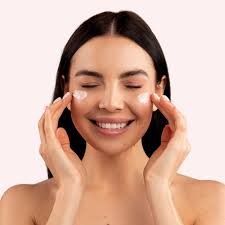
Best Ingredients in Korean Eye Creams: 8 Actives to Watch For
-

- February 23rd, 2026
- 1,579 views

FREE SEO Topical Map Generator: Find Your Next Content Ideas
Choosing a Korean skincare eye cream often focuses on texture and packaging, but the most important factor is the formula. Korean skincare eye cream ingredients can target hydration, fine lines, dark circles, puffiness, or skin barrier support. This guide lists eight ingredients commonly used in K‑beauty eye creams, explains their roles, and notes basic compatibility and safety considerations.
- Look for hyaluronic acid, niacinamide, peptides, ceramides, antioxidants, retinol derivatives, botanical anti‑inflammatories, and exfoliating acids at appropriate levels.
- Consider skin type: richer creams suit dry skin; lightweight gels suit oily or combination skin.
- Patch testing and gradual introduction reduce irritation risk; a dermatology professional can offer personalized advice.
Key 8 Ingredients to Look for in Korean Skincare Eye Cream
This section describes each ingredient, what it does for the eye area, common formulations in Korean skincare, and simple precautions.
1. Hyaluronic Acid (Sodium Hyaluronate)
Hyaluronic acid attracts and holds water in the skin, improving immediate plumping and reducing the appearance of fine lines. In eye creams, low‑molecular‑weight sodium hyaluronate penetrates more easily; formulations may combine different molecular weights for layered hydration. Suitable for most skin types; follow with a moisturizer to lock in hydration.
2. Niacinamide (Vitamin B3)
Niacinamide helps support the skin barrier, reduces visible redness, and can improve skin tone evenness. Typical concentrations range from 2% to 5% in leave‑on products. Generally well tolerated but start with lower concentrations for sensitive skin and avoid combining with highly acidic exfoliants simultaneously unless formulated for it.
3. Peptides (Signal and Carrier Peptides)
Peptides are short chains of amino acids that may support collagen and extracellular matrix signaling. Common peptide types in eye creams include palmitoyl tripeptides, copper peptides, and acetyl peptides. Peptides are typically well tolerated and are often paired with hydrating agents to enhance skin surface texture.
4. Ceramides
Ceramides are lipids naturally found in the skin barrier. Eye creams with ceramides help reinforce barrier function and reduce transepidermal water loss, which is useful for dry or barrier‑compromised skin. Look for formulations that combine ceramides with fatty acids or cholesterol analogs for balanced barrier repair.
5. Antioxidants (Vitamin C Derivatives, Green Tea, Resveratrol)
Antioxidants protect against free‑radical damage and can improve skin radiance. Stable vitamin C derivatives, green tea extract (Camellia sinensis), and resveratrol are frequent choices in K‑beauty eye products. Use caution with pure L‑ascorbic acid near the delicate eye area; derivatives or lower concentrations are often better tolerated.
6. Retinol and Retinol Alternatives (Bakuchiol, Retinaldehyde)
Retinoids and alternatives promote cellular turnover and collagen production, which can reduce fine lines over time. Eye creams marketed for anti‑aging may include low concentrations of retinol, retinaldehyde, or plant‑based bakuchiol. Because the eye area is thin and sensitive, products for this area typically use lower concentrations and controlled‑release formats to reduce irritation.
7. Soothing Botanicals (Centella asiatica, Chamomile, Artemisia)
Botanical extracts like Centella asiatica and certain mugwort species (Artemisia) are common in Korean formulations for their anti‑inflammatory and soothing properties. These ingredients help calm irritation and support recovery after environmental stress. As with all botanicals, fragrance‑free preparations lower the risk of sensitization.
8. Low‑strength AHA/BHA and Enzymes (Mild Exfoliants)
Gentle exfoliants such as low‑strength lactic acid (AHA) or mandelic acid, and fruit enzymes can smooth texture and improve dullness around the eyes. Concentrations and product pH are key: eye formulations use milder levels than facial peels to reduce irritation risk. Do not mix strong chemical exfoliants with retinoids in the same routine without professional guidance.
How to Choose and Use Eye Creams
Match ingredients to concerns
Select a product based on primary concerns—hydration, dark circles, puffiness, or fine lines—and choose ingredients accordingly (e.g., hyaluronic acid and ceramides for hydration; caffeine for temporary puffiness reduction; peptides and low‑strength retinoids for fine lines).
Introduce actives gradually and patch test
Introduce one active at a time, applying a small patch on the inner forearm or behind the ear for several days. For general guidance about topical product safety and minimizing irritation, consult the American Academy of Dermatology American Academy of Dermatology.
Packaging and formulation matters
Airless pumps and opaque tubes can improve stability for light‑sensitive actives like vitamin C and retinoids. Lightweight gels or liquids suit oily skin, while creams and balms are better for mature or dry skin.
Regulatory and safety notes
Ingredient concentrations and allowable claims vary by regulator. The Korean Ministry of Food and Drug Safety (MFDS) oversees cosmetics in Korea, while other jurisdictions have their own rules. Products labeled as cosmetics focus on appearance and skin feel; products making medical claims may be regulated differently. For persistent irritation or serious skin concerns, a qualified clinician or dermatologist can evaluate underlying causes and recommend appropriate treatment.
Frequently asked questions
What should a Korean skincare eye cream contain for dryness?
A formula for dryness should prioritize humectants like hyaluronic acid, occlusives such as squalane or gentle emollients, and barrier lipids like ceramides to retain moisture and reduce transepidermal water loss.
Can Korean skincare eye cream reduce dark circles?
Some ingredients may help reduce the appearance of dark circles by improving skin texture and tone (niacinamide, gentle vitamin C derivatives) or temporarily constricting blood vessels (caffeine). Underlying causes—pigmentation, thin skin, or vascular visibility—require different approaches, so expectations should be realistic.
How to layer an eye cream in a K‑beauty routine?
Apply lighter, water‑based products first (serums, essences), then pat a dedicated eye cream around the orbital bone before thicker moisturizers and face oils. Allow each layer to absorb to avoid pilling.
Is it safe to use retinol around the eyes in Korean skincare eye cream?
Low concentrations and retinol derivatives formulated for the eye area are commonly used, but the thin skin around the eyes increases sensitivity risk. Products designed specifically for the eye area and gradual introduction reduce irritation potential; discontinue use if persistent redness or discomfort occurs.
How long before results are visible from active ingredients?
Hydration and improved texture can appear within days to weeks. Collagen‑boosting changes from peptides or retinoids may take 8–12 weeks or longer. Results vary by ingredient concentration, formulation, consistency of use, and individual skin biology.
Which Korean skincare eye cream ingredients are best for sensitive skin?
Sensitive skin benefits from low‑irritation ingredients: ceramides, hyaluronic acid, certain peptides, and mild botanical anti‑inflammatories like Centella asiatica. Avoid high concentrations of potent acids or strong retinoids unless directed by a clinician.
Are there any ingredients to avoid mixing in the eye area?
Avoid combining high‑strength acids with retinoids directly in the same application to reduce irritation risk. Strong vitamin C formulations with low pH can also irritate the eye area; look for stable derivatives or lower concentrations when used near the eyes.
What is a Korean skincare eye cream best for overall?
Korean skincare eye cream is best used for targeted concerns like hydration, smoothing fine lines, and improving skin texture. Ingredient selection, formulation, and consistent use determine effectiveness over time.