Best Kurta Styles for Men 2024: Essential Looks, Fabrics & How to Wear Them
-
- Published Updated
- 811 views
Kurta for men 2024 revolves around balanced silhouettes, practical fabrics, and wearable details that translate across casual, work-friendly, and festive wardrobes. This guide outlines the styles to own, how to choose fabric and fit, and quick outfit formulas that work for real occasions.
- Key styles: straight-cut kurta, pathani, short kurta, bandh gala kurtas and layered indo-western looks.
- Top fabrics: cotton, linen blends, khadi, light-weight silk for formalwear.
- Focus on fit, collar type, and length to match occasion.
- Includes the CURATE checklist, practical tips, and common mistakes to avoid.
Detected intent: Informational
Top kurta for men 2024 styles
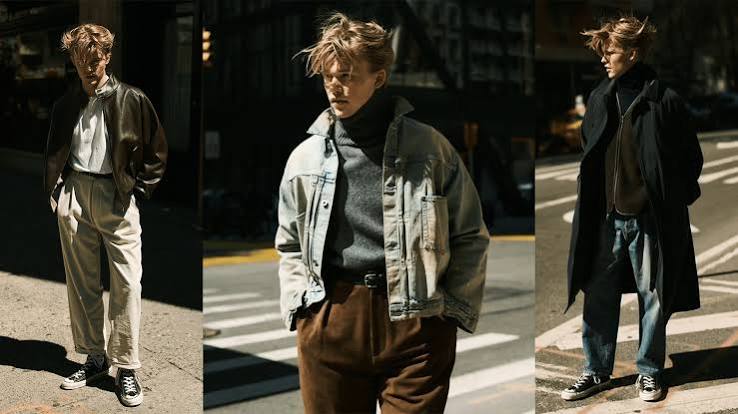
The defining kurta styles for 2024 favor clean lines and multipurpose pieces. The straight-cut kurta remains a versatile core, while the pathani kurta and short kurta provide casual alternatives. For dressing up, bandhgala kurtas and embroidered long kurtas with a subtle sheen are the go-to options. Collar choices—Nehru or mandarin—stay popular because they transition easily between formal and casual looks.
Casual kurta styles for men
Casual kurta styles for men emphasize movement and breathable fabrics. Look for cotton and linen-blend kurtas in straight or short lengths. Details like contrast piping, partial plackets, and side slits make these pieces easy to wear with jeans, chinos, or even shorts.
Designer kurta trends 2024 and festive looks
Designer kurta trends 2024 feature textured handlooms, muted embroidery, and tonal layering. For weddings or festivals, a long kurta in lightweight silk or khadi with handwork on the collar and chest elevates the outfit without heavy ornamentation. Pair with a tailored churidar or slim trousers for a contemporary silhouette.
Fabric guide: what to pick and why
Fabric drives comfort and occasion suitability. Choose cotton or cotton-linen for daily wear, khadi or handloom blends for a textured look, and light silk blends for formal settings. For sustainable or traditional choices, consult official guidance from textile authorities such as the Ministry of Textiles, Government of India for information on handloom and certification (source).
How to choose the right kurta: the CURATE checklist
The CURATE checklist helps narrow choices fast:
- Comfort — Breathability and sleeve mobility.
- Usage — Daily, office, or festive purpose.
- Right fit — Shoulder width, chest ease, and arm length.
- Appearance — Collar style, placket, and hem length.
- Texture & fabric — Cotton/linen for casual, silk/khadi for formal.
- Embellishment — Minimal for day, selective handwork for events.
Fit rules and measurements
Choose a kurta length based on height and purpose: mid-thigh for casual, knee-length for formal, and thigh-length for layered looks. Ensure the shoulder seam lines up with the shoulder bone and maintain 2–3 inches of chest ease for comfort. Sleeve length should end at the wrist or slightly above, depending on the intended look.
Short real-world scenario
Scenario: An office ethnic day requires a clean, non-embellished look. Pick a straight-cut cotton-linen kurta in a neutral shade, Nehru collar, mid-thigh length, paired with slim chinos and loafers for a professional but cultural outfit.
Practical tips for buying and styling
- Try kurtas with the trousers or jeans intended to be worn together to check overall proportion.
- Opt for neutrals (navy, beige, charcoal) as a base and add one statement kurta (textured or embroidered) for events.
- Choose machine-washable cotton for frequent wear; reserve silks and handloom for special occasions and follow care labels.
- Layer with a lightweight jacket or waistcoat rather than heavy accessories for a contemporary look.
Common mistakes and trade-offs
Common mistakes to avoid:
- Picking a kurta too tight across the chest — restricts movement and looks dated.
- Ignoring fabric care — delicate fabrics can lose shape if washed incorrectly.
- Over-embellishing daily kurtas — too much ornamentation reduces versatility.
Trade-offs to consider: heavier embellished kurtas look dressy but limit wear frequency and require special care; lighter fabrics increase comfort but may look less formal. Balance between durability, upkeep, and the number of occasions the kurta will serve.
Core cluster questions
- How to style a straight-cut kurta for casual and formal events?
- Which fabrics are best for hot-weather kurtas?
- What collar styles suit different face shapes?
- How to layer a kurta for an Indo-western look?
- Which kurta lengths work best with jeans, chinos, and formal trousers?
Care and maintenance basics
Always follow the garment's care label. For cotton and linen, cold wash and hang dry to reduce shrinkage. For silk and embellished kurtas, dry-cleaning or gentle hand wash with mild detergent is safer. Store long kurtas on hangers to maintain shape; fold heavier handloom pieces to avoid shoulder stretching.
FAQ
Which kurta for men 2024 styles are best for daily wear?
Daily wear favors straight-cut or short kurtas in cotton or cotton-linen blends with minimal embellishment. Neutral colors and mid-thigh lengths make them versatile and easy to pair with jeans or chinos.
Can a pathani kurta be formal?
A pathani kurta with clean tailoring and a dark solid color can work for smart-casual events; for formal occasions, pair it with tailored trousers and a formal jacket or a tasteful waistcoat.
How to choose between cotton, linen, and khadi?
Choose cotton for everyday comfort and easy care, linen (or linen blends) for a breathable textured look, and khadi or handloom for a traditional textured finish that reads more formal when layered with a tailored jacket.
What accessories complement modern kurta looks?
Minimal leather footwear (loafers or kolhapuris), a simple watch, and a lightweight scarf or pocket square for layered looks keep the outfit modern without overwhelming the kurta's lines.
Is tailoring necessary for off-the-rack kurtas?
Minor tailoring often improves fit: adjusting sleeve length, tapering the sides, or shortening the hem gives a personalized silhouette that looks more polished than an unaltered off-the-rack piece.