Professional Landscape Architecture Design You Can Trust
-

- Published Updated
- 4,487 views
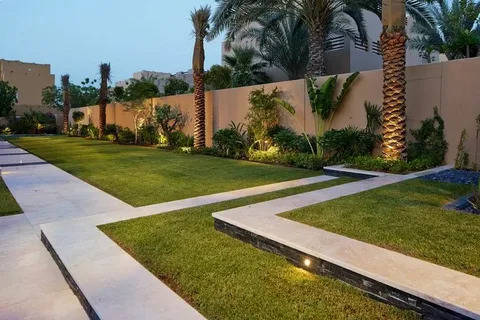
While many people use the terms landscaping and landscape architecture interchangeably, meaningful differences separate the two, particularly when it comes to the scope, technical complexity, and long-term thinking involved. Landscape Architecture Design incorporates a much broader range of considerations, including site engineering, drainage systems, structural elements, and how outdoor spaces integrate with surrounding architecture and infrastructure, rather than focusing narrowly on plant selection and basic aesthetic arrangement alone. Firms like Hss7 specialize in this more comprehensive discipline, bringing technical expertise that extends well beyond what basic garden planning typically addresses on its own.
This distinction matters significantly for larger or more complex projects, where structural considerations, regulatory compliance, and long-term site performance genuinely require the kind of technical rigor that landscape architecture provides. Working with an experienced firm such as Hss7 means benefiting from this broader expertise, ensuring a project accounts for everything from proper drainage engineering to how a space will function and age over years or even decades, rather than focusing purely on how it looks immediately after installation.
What Core Elements Make Up a Comprehensive Landscape Architecture Design Project?
Site analysis forms the essential foundation, involving careful evaluation of existing topography, soil conditions, drainage patterns, and any environmental factors that will shape what's realistically achievable on a given property. Spatial planning translates this analysis into an overall layout, determining how different areas of a site relate to each other and how people will actually move through and use the space once completed. Planting design addresses vegetation selection and placement, considering not just immediate visual appeal but how plants will mature and interact with each other and the surrounding hardscape over time. Structural and hardscape elements, including retaining walls, pathways, and any built features, require careful engineering to ensure both aesthetic integration and long-term structural stability under real-world conditions.
How Does Landscape Architecture Design Differ Between Public and Private Projects?
Public projects, such as parks, plazas, or streetscapes, typically involve additional layers of consideration around accessibility, durability under heavy public use, and compliance with municipal regulations and safety standards. Private residential projects offer more flexibility around personal aesthetic preferences but still require careful technical planning, particularly for larger properties or those with challenging site conditions like significant slope or drainage issues. Commercial projects often blend elements of both, needing to balance aesthetic appeal for customers or tenants with practical considerations like durability, maintenance efficiency, and compliance with any applicable zoning or development regulations specific to commercial properties.
What Skills Does a Landscape Architect Actually Need to Possess?
Strong technical and engineering knowledge forms an essential foundation, since landscape architects must understand drainage, grading, and structural principles well enough to design spaces that function properly under real environmental conditions rather than just looking appealing on paper. Genuine horticultural expertise matters significantly as well, requiring deep understanding of how different plant species grow, interact, and perform under specific site and climate conditions over time. Spatial and artistic sensibility allows a designer to create genuinely compelling, functional spaces rather than simply arranging elements according to technical requirements alone without meaningful attention to how a space will actually feel to occupy. Project management and communication skills round out this combination, since translating a client's vision into a buildable plan while coordinating with contractors and other professionals requires considerable interpersonal and organizational capability alongside pure design talent.
How Does Site Analysis Actually Shape Design Decisions?
Understanding a site's existing drainage patterns directly influences where structures, plantings, and hardscape elements can reasonably be placed without creating water management problems down the line. Soil composition analysis helps determine which plant species will genuinely thrive without excessive ongoing intervention, avoiding the disappointment of selecting attractive but poorly suited vegetation that struggles under actual site conditions. Sun exposure patterns throughout the day and across seasons shape decisions about plant placement and the potential need for shade structures or strategic tree placement to moderate microclimates within a larger design. Existing structures, utilities, and any protected natural features on a site all impose practical constraints that a thoughtful design must work within rather than ignore during the planning process.
How Do You Choose the Right Firm for a Landscape Architecture Design Project That Fits Your Vision?
Reviewing a firm's portfolio offers valuable insight into their design range and the types of projects they've successfully completed, with particular attention worth paying to projects similar in scale and complexity to your own specific needs. Understanding a firm's approach to client collaboration matters significantly as well, since a landscape design works best when it genuinely reflects the client's actual goals and preferences rather than simply following a designer's personal aesthetic without adequate consideration of client input throughout the process. Checking relevant professional credentials and licensing provides additional reassurance about a firm's technical competency, particularly important for projects involving significant structural or engineering elements.
What Questions Should You Ask Before Commissioning a Design?
Before beginning a project, it helps to clarify exactly what will be included in the final deliverable, since scope can vary considerably between a conceptual design and a fully detailed, construction-ready set of technical drawings. Asking about typical project timelines helps set realistic expectations, particularly for larger or more technically complex projects requiring multiple rounds of revision before finalization. It's also worth understanding how a firm coordinates with contractors during the actual construction phase, since this handoff between design and execution often determines whether a project's original vision translates accurately into the finished, built space.
What Should Be Included in a Comprehensive Design Proposal?
A thorough proposal should clearly outline the scope of services, distinguishing between conceptual design, detailed technical drawings, and any construction oversight or project management the firm will provide throughout the process. It should specify the anticipated timeline for each project phase, along with a transparent breakdown of fees associated with each stage of work. The proposal should also address how revisions are handled, since client feedback often shapes a design meaningfully as a concept moves from initial sketches toward more detailed, finalized plans ready for actual construction.
Comparing Landscape Architecture Design Services to General Landscaping
Landscape architecture typically involves more extensive upfront planning and technical documentation, better suited to larger, more complex projects involving significant structural elements or challenging site conditions. General landscaping services, by contrast, often focus more directly on installation and planting without the same depth of technical design documentation, making them well suited to smaller, more straightforward projects with fewer complicating factors. The right choice depends significantly on project scope and complexity, with simpler residential gardens sometimes not requiring the full technical rigor of formal landscape architecture, while larger or more challenging sites generally benefit considerably from this more comprehensive approach.
What Should You Expect in Terms of Cost and Timeline for Landscape Architecture Design?
Pricing for landscape architecture services varies considerably based on project scope, site complexity, and the level of detail required in final deliverables. Smaller residential projects with straightforward requirements typically involve lower costs and shorter timelines, while larger commercial or public projects involving extensive technical documentation and regulatory coordination naturally require greater investment and considerably more time to complete properly. Requesting a detailed proposal that breaks down costs by project phase helps clients understand exactly what they're paying for at each stage of a project's overall development process.
Taking the Next Step Toward Your Ideal Outdoor Space
For property owners or developers ready to move forward with a landscape project, whether a modest residential update or an ambitious commercial development, the next step involves reaching out to a qualified firm to discuss project goals, budget, and timeline in detail. Thoughtful Landscape Architecture Design ultimately provides the technical foundation and creative vision necessary for an outdoor space that functions beautifully and remains structurally sound for years to come, rather than simply looking appealing immediately after installation.
For More Details@ https://hss7architects.ae/landscaping-company-in-dubai/
Frequently Asked Questions
1. Is landscape architecture necessary for a relatively simple residential garden project?
Not always, though it can still add value for properties with challenging site conditions like significant slope, drainage issues, or complex grading needs.
2. How long does a typical landscape architecture project take from concept to completion?
Timelines vary considerably by scope, but smaller residential projects often take a few months, while larger commercial developments can take a year or more.
3. Do landscape architects also oversee the actual construction phase of a project?
Many firms offer construction oversight as part of their services, though this varies, so it's worth clarifying this specifically during initial discussions.
4. What software do landscape architects typically use to create detailed designs?
Most professionals use specialized design software allowing for precise technical drawings, 3D visualization, and easy revisions throughout the design process.
5. Can landscape architecture help address existing drainage problems on a property?
Yes, proper drainage planning is a core component of landscape architecture, often specifically addressing existing water management issues as part of the overall design.