Langtang Valley Trekking Guide: Routes, Permits, Packing & Acclimatization
-

- February 23rd, 2026
- 492 views

Get a free topical map and start building content authority today.
The Langtang Valley trekking guide below explains what to expect, how to prepare, and how to make safe choices on this accessible Himalayan route. It covers routes, permits, altitude planning, a named checklist, a short sample itinerary, practical tips, and common mistakes so the trek is clear and repeatable for most explorers.
Detected intent: Informational
Duration: 5–8 days typical from Syabrubesi. Difficulty: moderate (altitude to ~3,870 m). Key needs: Langtang trek permits, steady walking, and basic acclimatization.
Langtang Valley trekking guide — Quick overview
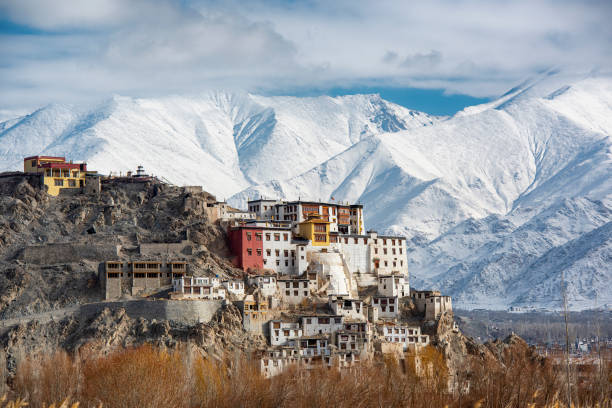
Langtang is a culturally rich, scenic trek near Kathmandu that reaches Kyanjin Gompa and offers glacier views, rhododendron forests, and Sherpa villages. The route is suited to newcomers with some trekking experience and to experienced hikers who want a shorter Himalayan experience than Everest or Annapurna circuits. This guide outlines routes, permit requirements, packing essentials, altitude advice, and realistic trade-offs.
Essential planning: permits, access and timing
Langtang trek permits
Permits are mandatory for Langtang: a TIMS card (Trekkers' Information Management System) and a national park entry permit for Langtang National Park. Permit rules and rates change; check the Department of National Parks & Wildlife Conservation, Nepal for current regulations and park guidelines: Department of National Parks & Wildlife Conservation, Nepal. Arrange permits in Kathmandu or via a registered trekking agency before departure.
Best seasons and access
Spring (March–May) and autumn (September–November) provide the most stable weather and clear views. Winter is colder with snow; monsoon brings heavy rain and landslide risk. The usual trailhead is Syabrubesi (6–8 hours drive from Kathmandu). From there most trekkers walk 5–8 days round trip depending on itinerary and acclimatization.
TRIP-SAFE checklist (named framework)
The TRIP-SAFE checklist consolidates key prep steps before walking into Langtang:
- T: Tickets & permits (TIMS, park permit) — confirm and photocopy
- R: Route plan & daily mileage — pick conservative daily distances
- I: Insurance & emergency contacts — include evacuation coverage
- P: Physical prep — at least 6 weeks of cardio and hill training
- S: Sleeping gear & shelter plan — warm sleeping bag rating to -5°C
- A: Altitude plan & acclimatization schedule
- F: Food & fuel considerations — plan for limited high-calorie options higher up
- E: Equipment check — boots, poles, headlamp, first-aid
Sample itinerary and a short real-world example
Example: a common conservative 6-day itinerary from Syabrubesi to Kyanjin Gompa and back gives time for acclimatization and easier weather windows.
- Day 1: Drive Syabrubesi – trek to Lama Hotel (3–4 hrs)
- Day 2: Lama Hotel to Langtang Village
- Day 3: Langtang Village to Kyanjin Gompa (3–4 hrs)
- Day 4: Acclimatization day, local hike to Kyanjin Ri or glacier
- Day 5: Return toward Lama Hotel
- Day 6: Trek to Syabrubesi and drive to Kathmandu
Short scenario: A solo trekker followed this plan, used the TRIP-SAFE checklist, took the acclimatization day to hike Kyanjin Ri (4,773 m) only partway, and avoided AMS by waiting and drinking extra fluids. The conservative pace prevented an emergency descent and allowed scenic side hikes.
Altitude, safety and Langtang Valley acclimatization tips
Langtang Valley acclimatization tips
Simple rules lower risk: ascend slowly (no more than 300–500 m overnight above 3,000 m), include a rest/acclimatization day at Kyanjin Gompa, and monitor symptoms of acute mountain sickness (headache, nausea, dizziness). If symptoms appear, descend immediately. Carry a pulse oximeter if available and know local evacuation options.
Packing: essentials and gear choices
Pack light but weather-ready. Essentials include sturdy trekking boots, layered clothing, a 3-season sleeping bag, rain shell, headlamp, water purification method, sunscreen, and a basic first-aid kit. Consider trekking poles for uneven terrain and ankle support.
Practical tips
- Book the first and last days with margin — road delays are common.
- Carry cash for teahouses; ATM access is limited outside Kathmandu.
- Prefer conservative daily distances to allow acclimatization.
- Test gear on day hikes before the trip; broken boots are an avoidable emergency.
- Respect local customs — Langtang has Buddhist monasteries and village life.
Common mistakes and trade-offs
Trade-offs include speed versus safety: trying to compress days reduces acclimatization and increases AMS risk. Common mistakes: skipping permits and arriving without copies, packing too many clothes (adds weight), and underestimating cold nights (sleeping bag too light). Another frequent error is relying only on mobile phone maps; download offline maps and bring a paper route note.
Core cluster questions
- How hard is the Langtang Valley trek?
- How many days are needed for Langtang Valley?
- What permits are required for Langtang Valley?
- When is the best time to trek Langtang Valley?
- How to prepare for altitude on the Langtang trek?
Logistics and emergency planning
Arrange travel insurance with helicopter evacuation for higher-risk plans. Share itinerary and check-in times with a contact in Kathmandu. Local guides increase safety, local knowledge, and speed of communication during emergencies.
Final checklist before departure
- Confirm TIMS and park permit and carry ID
- Pack TRIP-SAFE checklist items
- Set conservative daily goals and plan one full acclimatization day
- Carry cash and a portable charger
FAQ
Is this Langtang Valley trekking guide suitable for beginners?
Yes. The route can suit beginners with good fitness and conservative pacing, especially if a rest day for acclimatization is included. Hiring a local guide reduces logistical risk.
What permits do I need for Langtang Valley?
A TIMS card and a Langtang National Park permit are required; get these in Kathmandu or via a registered operator before departure.
What should be in a basic first-aid kit for this trek?
Include blister care, pain relievers, anti-diarrheal medication, altitude symptom medication (per medical advice), adhesive bandages, antiseptic, spare prescription meds, and a small compression bandage.
Can the Langtang trek be done independently without a guide?
Yes, many trekkers do the Langtang trek independently, but maps, offline GPS, and reliable route knowledge are necessary. A guide adds navigation help, cultural context, and emergency support.
How to recognize and respond to altitude sickness?
Watch for headache, nausea, fatigue, and dizziness. Do not ascend further if symptoms appear; rest and descend if symptoms worsen. Seek medical help and evacuation if severe. Acetazolamide is sometimes used after consulting a physician.