Laser Eye Lift in Riyadh — Eyelid Rejuvenation and Recovery Guide
-

- Published Updated
- 1,937 views
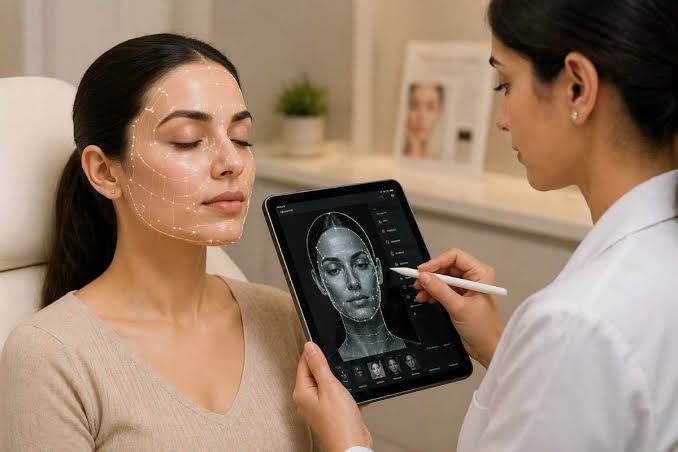
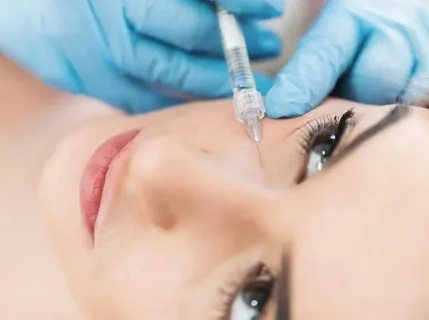
Laser Eye Lift is an umbrella term for several minimally invasive treatments aimed at reducing eyelid wrinkles, tightening loose skin, and improving the appearance of the periocular area. In Riyadh, interest in eyelid rejuvenation has risen, and clinics now offer laser resurfacing, fractional CO2, and radiofrequency-based options as alternatives or complements to surgical blepharoplasty.
- Laser Eye Lift techniques include fractional laser resurfacing, ablative and non-ablative lasers, and energy-based skin tightening.
- Typical goals are reducing fine lines, tightening mild skin laxity, and improving skin texture around the eyes.
- Recovery varies by method—from a few days for non-ablative treatments to 1–2 weeks for ablative lasers; full results may take weeks to months.
- Discuss goals, medical history, and expectations with a licensed oculoplastic surgeon or dermatologist before treatment.
Laser Eye Lift: Procedure overview
Procedures described as a Laser Eye Lift use focused light or radiofrequency energy to stimulate collagen remodeling, ablate superficial damaged skin, or tighten tissue. Common objectives include softening crow's feet, addressing mild dermatochalasis (loose upper eyelid skin), and improving under-eye texture. Treatments range from non-ablative resurfacing, which heats deeper dermal layers with minimal downtime, to ablative lasers that remove surface tissue and require longer healing.
Types of treatments
Common categories include:
- Fractional CO2 and erbium lasers: Ablative options that vaporize microscopic columns of skin to accelerate renewal and collagen formation. Often used for deeper wrinkles and texture issues.
- Non-ablative fractional lasers: Deliver controlled thermal injury beneath the surface with less downtime and gradual improvement over weeks.
- Radiofrequency (RF) and microneedling RF: Energy-based tightening that can be combined with microneedling to stimulate collagen with reduced surface damage.
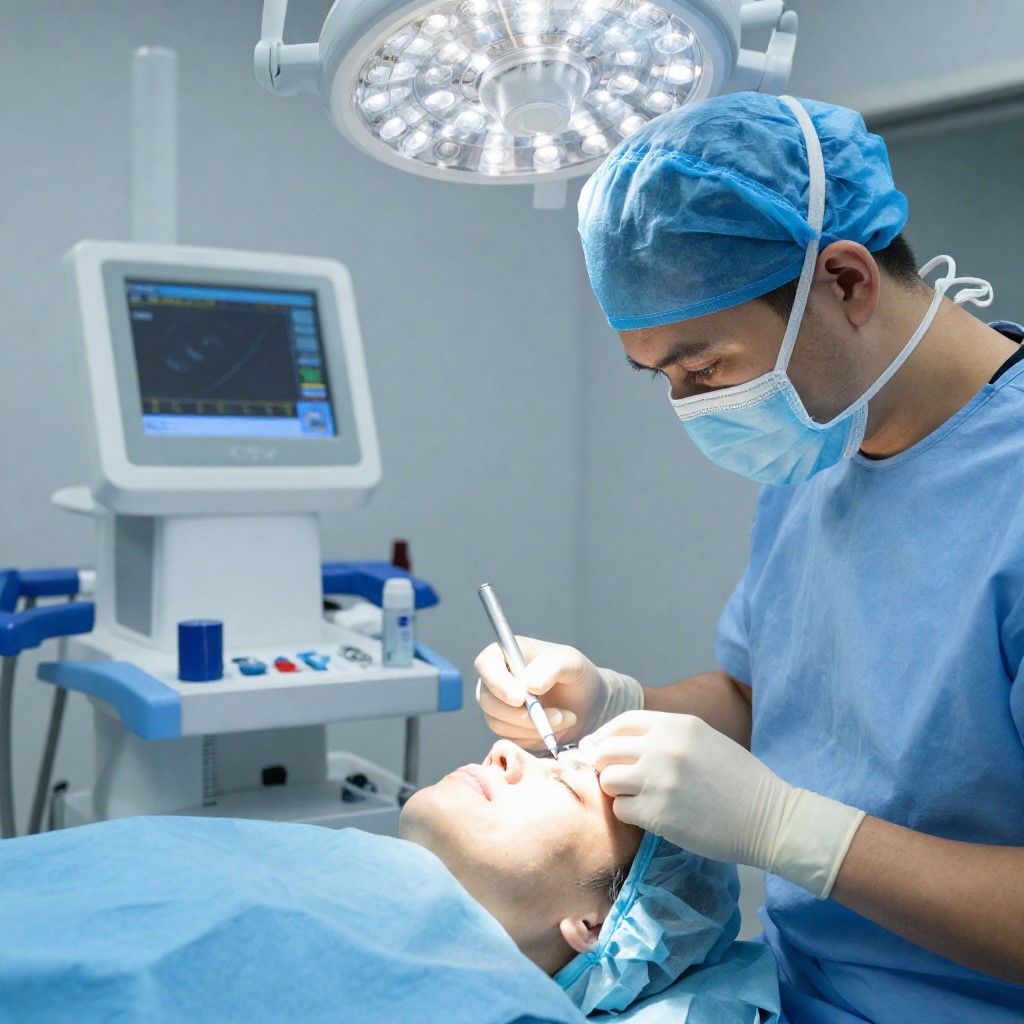
- Laser-assisted blepharoplasty adjuncts: Laser tools sometimes assist surgical eyelid lifts, but a full surgical blepharoplasty remains a distinct operation.
Who may be a candidate
Potential candidates typically have mild to moderate skin laxity, fine lines, or textural concerns rather than severe eyelid sagging. Assessment by a qualified oculoplastic surgeon or dermatologist helps determine whether a laser treatment, surgical blepharoplasty, or a combined approach is most appropriate. Medical history, skin type, and prior procedures influence suitability and expected outcomes.
Benefits, limitations and expected results
Benefits often cited include reduced fine lines, improved skin texture, and modest tightening with minimal scarring. Limitations include variable results for significant drooping or heavy excess skin; such cases may require surgical blepharoplasty for predictable correction. Results appear progressively as collagen remodels and may continue to improve for several months. Multiple sessions are sometimes recommended for non-ablative approaches.
Recovery, aftercare and common side effects
Recovery depends on the modality. Non-ablative procedures may cause redness and mild swelling for a few days, while ablative lasers can cause crusting, significant redness, and temporary pigment changes that require 1–2 weeks of more intensive aftercare. Common side effects include transient swelling, redness, tenderness, and, less commonly, pigmentary changes or infection. Sun protection, gentle skincare, and following the treating clinician's post-procedure instructions are important to reduce complications.
Risks, safety and regulation in Riyadh
All periocular procedures carry specific risks because of the eyelid's delicate anatomy and proximity to the eye. Potential risks include scarring, persistent redness, changes in pigmentation, and rarely functional eyelid problems if improperly performed. Verification of clinician qualifications is essential. In Saudi Arabia, licensed facilities and practitioners are regulated by the Ministry of Health; consumers are encouraged to confirm credentials and clinic licensing through official channels. For general ophthalmic safety guidance, professional organizations such as the American Academy of Ophthalmology provide clinical resources and position statements relevant to periocular procedures.
For information about facility licensing and local health regulations, consult the Saudi Ministry of Health website: Saudi Ministry of Health.
Choosing a clinic or specialist in Riyadh
When evaluating clinics, consider provider training in oculoplastic surgery or dermatologic procedures near the eye, documented experience with the chosen laser technology, and clinic infection-control standards. Request before-and-after photos of comparable cases, ask about the exact device and settings to be used, and clarify follow-up care. Transparent discussion of realistic outcomes and alternatives—such as topical treatments, fillers, or surgical blepharoplasty—helps set appropriate expectations.
Evidence and realistic expectations
Peer-reviewed studies support the use of fractional lasers and energy-based modalities for periocular rejuvenation, but outcomes vary with device, operator skill, and patient factors such as skin type and healing response. Evidence supports measurable improvements in wrinkle depth and skin texture, whereas dramatic lifting for heavy eyelids is generally achieved through surgery. Clinicians often use validated scales and photography to document progress.
What is a Laser Eye Lift and how does it work?
A Laser Eye Lift uses focused light or energy to resurface skin and stimulate collagen remodeling in the eyelid and periocular area. Depending on the device, the approach either ablates surface tissue to prompt regeneration or heats deeper layers to induce tightening. The mechanism centers on controlled tissue injury followed by a healing response that produces new collagen and improved skin quality.
How long does recovery take after a Laser Eye Lift?
Recovery ranges by method: non-ablative treatments often require a few days to a week of mild downtime, while ablative lasers can require 1–2 weeks of more intensive healing. Full maturation of results may continue for several months as collagen remodeling proceeds.
Are results permanent?
Results are semi-permanent. Tissue remodeling is durable, but natural aging and sun exposure can lead to gradual changes. Maintenance treatments or surgical options may be considered for long-term correction of progressive laxity.
Is Laser Eye Lift safe for all skin types?
Safety and risk of pigmentary changes vary with skin phototype and the specific device. Darker skin tones have a higher risk of hyperpigmentation with some ablative lasers; careful device selection and test treatments may reduce risks. A qualified clinician can assess skin type and recommend an appropriate protocol.
How to verify a clinic’s credentials in Riyadh?
Confirm practitioner licensing, inquire about specialty training in oculoplastic or dermatologic procedures, request information on clinic accreditation, and review documented outcomes. The Saudi Ministry of Health maintains regulatory information about licensed facilities and practitioners.