Laser Hair Removal Guide: What to Expect, Costs, and Aftercare
-

- Published Updated
- 603 views
Laser hair removal is a medical procedure that permanently reduces unwanted hair by targeting pigment in the hair follicle with concentrated light. This guide explains how laser hair removal works, what to expect, cost factors, preparation and aftercare, and common mistakes so readers can decide whether to book a consultation.
- Detected intent: Commercial Investigation
- Laser hair removal is most effective on darker hair and lighter skin tones but modern devices can work across a range of skin types.
- Multiple sessions (usually 6–8) spaced 4–12 weeks apart are required for lasting reduction.
- Costs vary by area and provider; expect per-session pricing or package deals.
Laser hair removal: how it works and key terms
Laser hair removal uses focused light to heat and damage hair follicles, slowing or stopping future growth. The principle is selective photothermolysis: pigment (melanin) in the hair absorbs laser energy, which converts to heat and injures the follicle. Common device types include diode, Alexandrite, and Nd:YAG lasers; each has different wavelengths that affect effectiveness on varying skin and hair tones. Regulatory oversight and clinical guidance come from organizations such as the U.S. Food and Drug Administration (FDA) and dermatology societies.
Important terms
- Anagen phase: active growth phase of hair—laser is most effective here.
- Fluence: energy delivered per area (J/cm2); higher fluence often increases effect but also risk.
- Spot size and cooling: influence comfort and penetration depth.
Is laser hair removal right for you?
Laser hair removal is suitable for people who want long-term reduction rather than temporary removal. Candidates should consider hair color, skin tone, hormonal conditions (like PCOS), and expectations. Dark, coarse hairs respond best. People with lighter or gray hair may see limited benefit because the laser targets pigment. For darker skin tones, devices like Nd:YAG are safer when used by experienced clinicians.
Medical and safety considerations
- Pregnancy: most providers defer treatment until after pregnancy.
- Medications: some antibiotics or retinoids increase light sensitivity—disclose all meds to your provider.
- Skin conditions: active infections, lesions, or recent sunburn may require postponement.
Preparing for treatment: the LASER READY checklist
Use the named LASER READY checklist to prepare before each appointment and reduce risks.
- Limit sun exposure: avoid tanning for 4 weeks before treatment.
- Avoid certain medications: pause photosensitizing drugs if medically safe.
- Shave the area 24–48 hours before the session; do not wax or tweeze.
- Expect multiple sessions: plan schedules around 4–12 week intervals.
- Review medical history with the clinician; disclose medical conditions.
- Request a patch test for new devices or darker skin types.
- Ensure the provider is licensed and trained for the device used.
- Arrange aftercare supplies: cool compresses and gentle moisturizers.
- Document results and side effects between sessions.
- Yes to realistic expectations: permanent reduction, not guaranteed total permanence.
Costs, sessions, and realistic timeline
Price depends on provider, body area, and region. Expect higher costs for large areas (back, legs) and lower for small areas (upper lip, underarms). Many clinics offer package pricing to cover multiple sessions. Primary cost drivers include device type, clinician expertise, and geographic market demand.
Typical course: 6–8 sessions spaced 4–12 weeks apart; maintenance sessions may be needed annually. Patients with hormonal issues might need more frequent touch-ups.
Aftercare and recovery: laser hair removal aftercare tips
Aftercare reduces complications and improves outcomes. Follow these practical aftercare tips:
- Cool the area with ice or a cold pack for 10–15 minutes immediately after treatment to reduce redness and swelling.
- Avoid sun exposure and use broad-spectrum SPF 30+ on treated areas for at least two weeks.
- Use gentle, fragrance-free cleansers and avoid scrubs or exfoliants for 48–72 hours.
- Skip heat exposure—no hot tubs, saunas, or vigorous exercise for 24–48 hours.
- Expect follicular shedding: hair may appear to grow before falling out over several weeks.
Practical tips for better results
- Book a consultation with a licensed dermatologist or certified laser technician to review skin assessment and device choice.
- Maintain consistent timing between sessions—missing sessions can prolong overall treatment time.
- Document progress with photos under consistent lighting to track reduction objectively.
- For darker skin tones, ask about Nd:YAG or long-pulse devices and request conservative test patches.
Trade-offs and common mistakes
Trade-offs:
- Cost vs. convenience: professional treatment is pricier than at-home devices but usually more effective.
- Speed vs. safety: higher fluence speeds results but increases risk of burns—proper settings matter.
- Coverage vs. precision: large spot sizes treat faster; smaller spots allow greater precision on delicate areas.
Common mistakes to avoid:
- Waxing or plucking between sessions—this removes follicles in the anagen phase and reduces effectiveness.
- Failing to disclose medications or recent sun exposure, which can lead to burns or pigmentation changes.
- Choosing a provider solely on price—experience and device quality significantly affect outcomes.
Real-world example
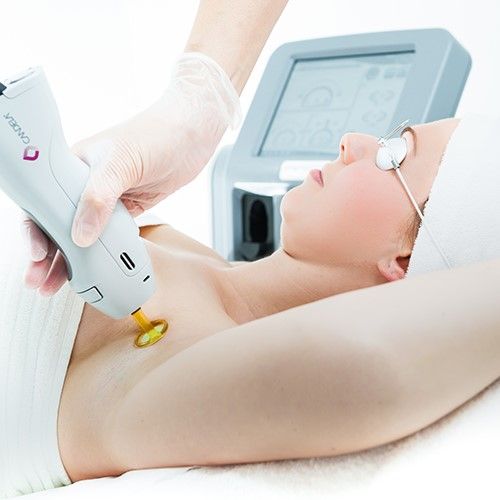
Scenario: A 32-year-old with dark brown hair and medium skin tone chooses diode laser treatment for underarms. Following the LASER READY checklist, the area is shaved, a patch test is performed, and sessions are scheduled every 6 weeks. After six sessions, visible reduction reaches about 80%, with occasional maintenance every 12–18 months. Mild, temporary redness resolved within 48 hours after post-care cooling and sunscreen use.
For clinical guidance on laser safety and practitioner standards, refer to the American Academy of Dermatology for best-practice overviews: American Academy of Dermatology.
Core cluster questions
- How many laser hair removal sessions are typically needed?
- What factors affect the cost of laser hair removal?
- How should skin be prepped before a laser hair removal appointment?
- What are the risks and side effects of laser hair removal?
- Can laser hair removal work on all skin and hair types?
FAQ
How many sessions of laser hair removal are needed?
Most people need 6–8 sessions for significant, long-term reduction. The exact number depends on hair density, growth cycles, hormonal factors, and the area treated. Maintenance sessions may be necessary.
Is laser hair removal permanent?
Laser hair removal provides permanent hair reduction rather than guaranteed permanent removal. Many experience long-term thinning; occasional regrowth may occur, especially if hormonal factors are present.
Does laser hair removal hurt?
Discomfort varies. Many describe the sensation as a quick snap or stinging. Devices with integrated cooling and topical numbing can reduce discomfort. Communicate with the provider to adjust settings for tolerance and safety.
Can laser hair removal cause skin discoloration?
Temporary redness and minor pigment changes can occur, especially after recent sun exposure or with inappropriate device settings. Proper pre-treatment evaluation and conservative test spots reduce risk.
Is there anything to avoid after a session?
Avoid sun exposure, harsh exfoliants, and heat sources for 48–72 hours. Use gentle skincare and sun protection to limit irritation and pigment changes.