Laser Lift in Riyadh: Complete Guide to Procedure, Costs, and Recovery
-

- March 11th, 2026
- 1,237 views
Laser Lift in Riyadh is a commonly sought cosmetic ophthalmic procedure that aims to improve the appearance of the eyelids and surrounding skin using focused laser energy. Demand for eyelid rejuvenation and minimally invasive alternatives to traditional blepharoplasty has grown in Riyadh, where patients consider options for reduced downtime and precision treatment.
- Laser Lift uses controlled laser energy to tighten skin, reduce fine lines, and refine eyelid contours.
- Candidates are evaluated by an ophthalmologist or oculoplastic surgeon for safety and suitability.
- Consider clinic credentials, device approvals, practitioner experience, and regulated devices.
- Typical recovery is shorter than traditional surgery, but results and risks vary.
Overview of Laser Lift in Riyadh
What the term covers
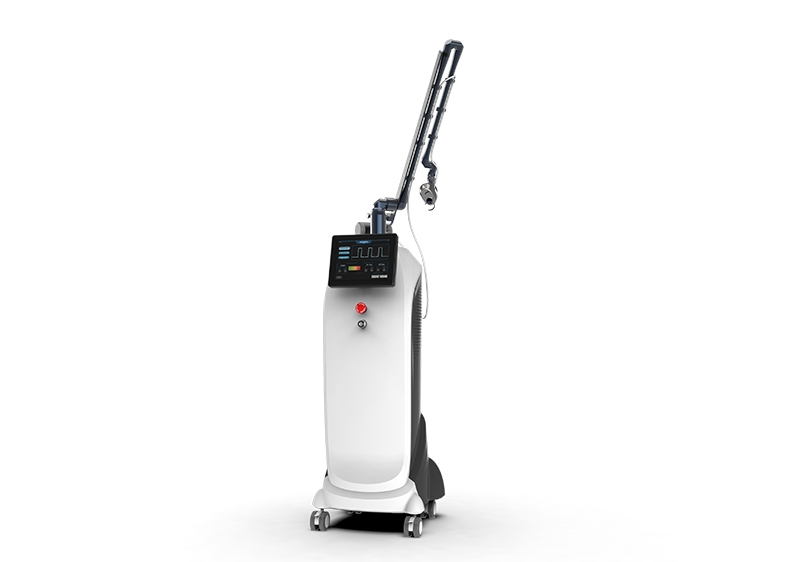
“Laser Lift” commonly refers to a group of minimally invasive procedures that use ablative or non-ablative lasers (for example fractional resurfacing or CO2-type devices) to stimulate collagen, reduce skin laxity, and improve texture. In periocular work, lasers are used carefully because of the eye’s sensitivity; treatments are normally performed by ophthalmologists, oculoplastic surgeons, or dermatologists with specific periocular training.
How it works
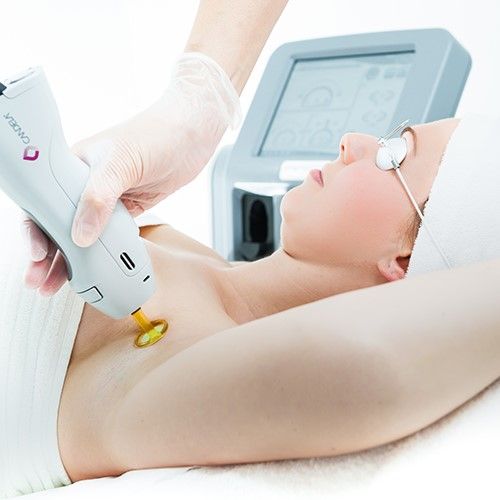
Lasers deliver precise pulses of light to target skin layers. Ablative lasers remove micro-areas of skin to promote remodeling, while non-ablative lasers heat deeper layers to stimulate collagen without removing the surface. The choice of device and energy settings depends on the goal (skin tightening, resurfacing, or scar improvement) and the patient’s skin type. Devices and protocols should comply with local medical device regulations and clinical guidelines.
Who is a candidate and what to expect
Candidate considerations
Good candidates typically have mild to moderate skin laxity, fine lines, or uneven texture around the eyelids and periorbital area. Evaluation includes medical history, skin type assessment (Fitzpatrick scale), and ocular health screening. Patients with certain conditions—such as active eyelid infection, uncontrolled autoimmune disease, or recent isotretinoin use—may be advised to postpone treatment.
Consultation and assessment
A pre-procedure visit should cover expected outcomes, alternatives (including surgical blepharoplasty and non-laser options), estimated recovery time, and potential complications. A written treatment plan and informed consent are standard practice. Local standards and recommendations from professional bodies (for example national ophthalmology societies) guide clinical decision-making.
Choosing a clinic in Riyadh
Credentials and regulation
Selection criteria include clinician qualifications (board-certified ophthalmologist or oculoplastic surgeon), experience with periocular lasers, and clinic licensing. In Saudi Arabia, facility licensing and device importation are overseen by regulatory bodies such as the Saudi Food and Drug Authority (SFDA) and health facility regulation under the Ministry of Health. Patients are encouraged to verify practitioner credentials and ask about device approvals and safety protocols.
Costs and financing
Costs vary depending on the device, number of sessions, and clinic reputation. Pricing in Riyadh may reflect clinic location and practitioner experience. Insurance coverage for cosmetic procedures is typically limited; a written cost estimate and breakdown should be provided prior to treatment.
Procedure, recovery, and outcomes
During the procedure
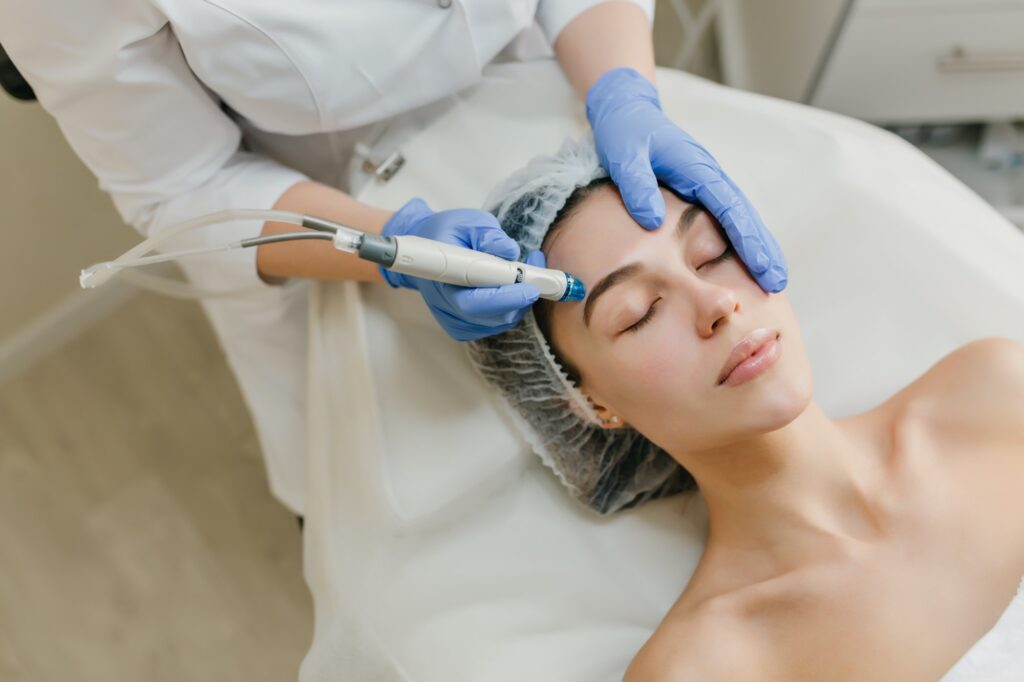
Treatments are often performed with topical or local anesthesia. Protective eye shields or specialized techniques are used to minimize ocular exposure. Procedure duration ranges from 20 minutes to over an hour depending on the area treated. Treatment parameters are adjusted for skin type and clinical goals.
Recovery and follow-up
Recovery commonly involves redness, swelling, and crusting for several days to two weeks for ablative procedures; non-ablative treatments typically have shorter visual downtime. Follow-up includes wound care instructions, sun protection, and scheduled reviews to monitor healing. Multiple sessions may be recommended for optimal results. Any concerns about vision changes or signs of infection require prompt clinical review.
Risks, benefits, and alternatives
Benefits
Potential benefits include improved skin texture, reduced fine lines, and modest tightening with less downtime than open surgery. Outcomes vary and are influenced by device type, practitioner skill, and patient biology.
Risks and common side effects
Possible risks include prolonged redness, hyperpigmentation or hypopigmentation, scarring, infection, and, in rare cases, ocular injury. Laser treatment near the eye requires specific safety measures. Patients should be informed about risks and realistic outcome expectations during the consent process.
Alternatives
Alternatives include surgical blepharoplasty, injectable treatments, radiofrequency devices, and topical medical therapies. Each option has distinct recovery profiles and risk-benefit considerations.
Planning a safe treatment in Riyadh
Before proceeding, verify clinic licensing and clinician credentials, request details on the laser device and protocols, and confirm aftercare support. For regulatory guidance and health facility information, consult the national health authority: Saudi Ministry of Health. Professional organizations such as national ophthalmology societies provide clinical guidelines and continuing education resources for practitioners.
FAQ
How much does Laser Lift in Riyadh typically cost?
Costs depend on the clinic, device, number of sessions, and treatment area. A personalized consultation with a licensed provider will provide an itemized estimate. Cosmetic procedures are often paid out-of-pocket.
Is Laser Lift the same as blepharoplasty?
No. Laser Lift refers to non-surgical laser-based skin treatments aimed at tightening and resurfacing. Blepharoplasty is a surgical eyelid procedure that removes or repositions tissue and fat; it is generally indicated for more advanced eyelid laxity or functional concerns.
How long do results usually last?
Results vary by procedure type, patient age, skin quality, and lifestyle factors. Improvements from laser resurfacing can last several years but are not permanent; maintenance treatments and sun protection influence longevity.
Who regulates medical devices and clinics in Saudi Arabia?
The Saudi Food and Drug Authority (SFDA) regulates medical devices, and health facility standards are overseen by the Ministry of Health and related regional authorities. Verification of device approval and facility licensing is recommended prior to treatment.
What should be done if unexpected symptoms occur after treatment?
If vision changes, severe pain, fever, spreading redness, or other concerning symptoms occur after a periocular laser procedure, seek prompt clinical assessment from the treating clinic or an emergency healthcare provider. Routine follow-up appointments are important for monitoring recovery.