Laser Skincare Treatments in Dubai: A Practical Patient Guide
-
- March 14th, 2026
- 1,019 views

FREE SEO Topical Map Generator: Find Your Next Content Ideas
Understanding options, risks, and outcomes is essential when considering laser skincare treatments Dubai. This guide explains common laser types, who is a good candidate, realistic results, safety steps, and how to compare clinics—so decisions are informed, not impulsive.
- Primary focus: options and safety for laser skincare treatments Dubai.
- Includes a named LASER SAFETY CHECKLIST, practical tips, and a short example scenario.
- Detected intent: Informational
Overview of laser skincare treatments Dubai
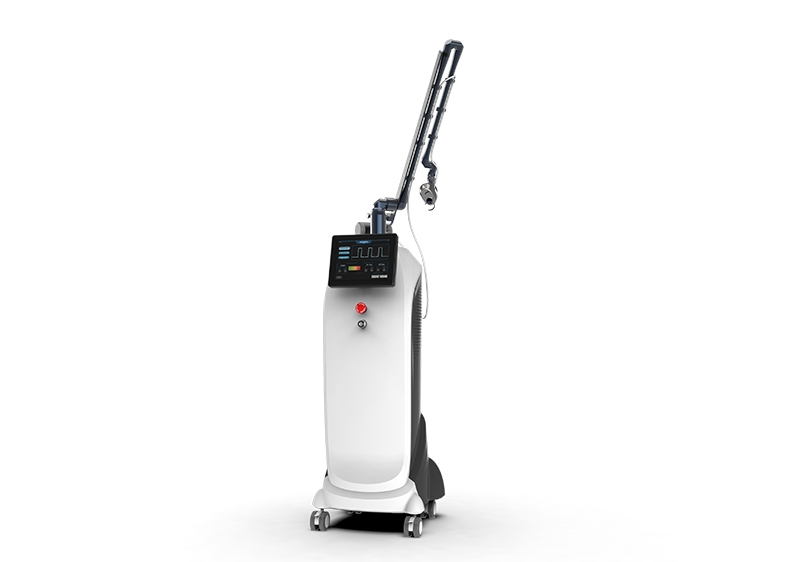
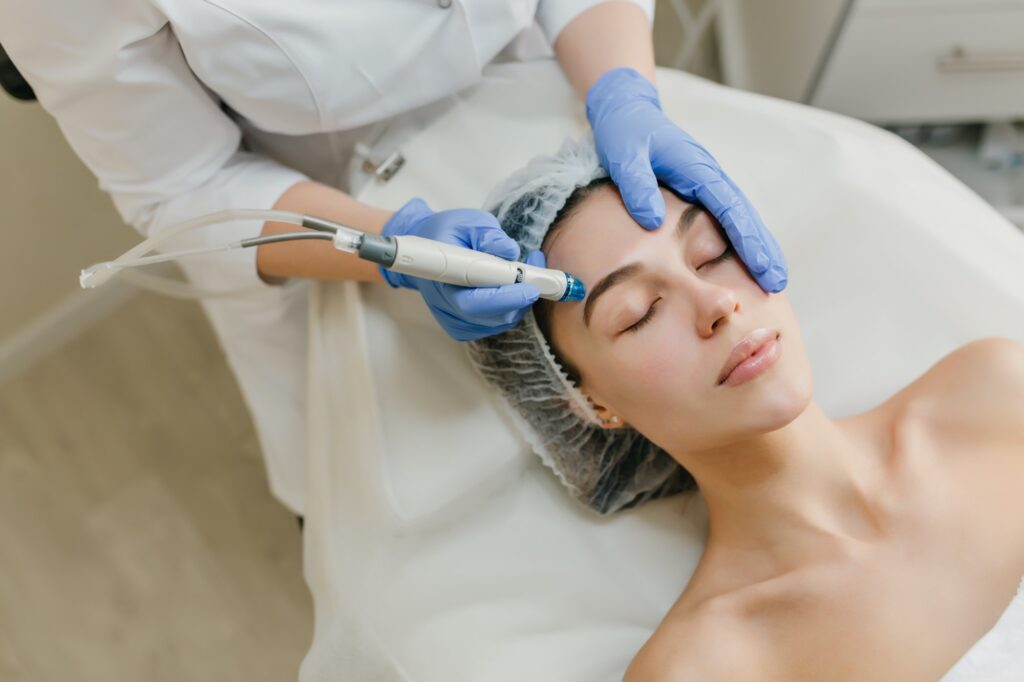
Laser procedures vary from hair removal and vascular lesion treatment to resurfacing for wrinkles and acne scarring. Lasers are categorized by wavelength, pulse type, and whether they are ablative (remove tissue) or non-ablative (stimulate remodeling). Popular modalities include fractional CO2 and erbium (ablative), Nd:YAG and alexandrite (hair/vascular), and Q-switched lasers for pigment. Local practice patterns in Dubai include clinic-performed treatments under licensed dermatologists and medical aesthetic centres following local health authority rules.
How laser types match skin concerns
Non-ablative vs ablative lasers
Non-ablative lasers (for example, fractional non-ablative) stimulate collagen with less downtime; appropriate for mild texture issues and early signs of aging. Ablative lasers (fractional CO2 or erbium) resurface the skin and provide stronger results for deep wrinkles and severe acne scars but require downtime and higher aftercare vigilance.
Common modalities and uses
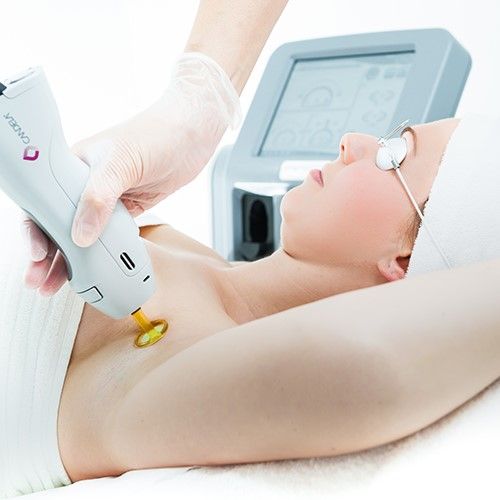
- Nd:YAG — vascular lesions, hair removal on darker skin types
- Alexandrite — efficient hair removal on lighter to medium skin tones
- Fractional CO2/Erbium — resurfacing for scars, deep wrinkles
- Q-switched — pigmented lesions and tattoo removal
- Intense Pulsed Light (IPL) — broad-spectrum light for pigmentation and redness (technically not a laser)
Candidacy, preparation, and realistic outcomes
Who is a good candidate?
Ideal candidates are those with clear treatment goals, realistic expectations, and an appropriate skin type for the chosen laser. Fitzpatrick skin type, active medications (e.g., isotretinoin), history of keloids, and recent sun exposure affect candidacy. A patch test or consult with a licensed dermatologist gives the best assessment.
How to prepare
Preparation commonly includes stopping photosensitizing medications, avoiding tanning, and following pre-procedure skin-care instructions. For hair removal, guidelines about shaving versus waxing differ by clinic and device—confirm before the appointment.
Risks, safety, and a named checklist
Lasers carry risks: burns, pigment changes, scarring, infection, and transient redness. Safety improves when a clinic follows standards, uses properly calibrated equipment, and documents consent and aftercare. For evidence-based safety tips, consult regulatory guidance such as the U.S. Food and Drug Administration's consumer advice on lasers and light-based devices.
FDA: Lasers and light-based devices — safety tips
LASER SAFETY CHECKLIST
- Verify operator credentials and clinic license.
- Confirm the device name, manufacturer, and maintenance records are available.
- Review a documented consent that lists risks and alternatives.
- Request a patch test or proof of outcomes on similar skin types.
- Get written aftercare instructions including sun protection and signs of complications.
Costs, timing, and what to expect post-treatment
Typical pricing factors
Costs vary by procedure type, number of sessions, clinic reputation, and geographic area. For example, laser hair removal may require 6–8 sessions spaced weeks apart; resurfacing may be a single series with downtime. Search terms like "laser hair removal Dubai cost" and "best laser skin clinics Dubai" are commonly used by patients comparing options—ask clinics for clear pricing and package terms.
Recovery and results
Expect immediate redness and swelling for many treatments; ablative resurfacing requires days to weeks of wound care. Final results usually appear over weeks to months as collagen remodels or pigment clears. Maintain sun protection to preserve results and reduce pigment risks.
Practical tips for choosing a clinic and getting better outcomes
- Prioritize practitioners with dermatology or medical laser training and documented experience with the device type planned.
- Ask for before-and-after photos of patients with similar skin tones and conditions.
- Confirm the clinic follows infection control and has emergency protocols.
- Request a clear treatment plan with expected number of sessions and maintenance requirements.
Common mistakes and trade-offs
Common mistakes
- Choosing a device based only on price rather than appropriateness for skin type.
- Skipping a patch test or failing to disclose medications that increase photosensitivity.
- Underestimating downtime for ablative procedures and not planning aftercare.
Trade-offs to consider
Non-ablative options trade stronger results for lower downtime; ablative lasers give more dramatic improvement but require more recovery and higher complication risk. Some devices work faster for hair removal but have limitations on darker skin; Nd:YAG trades some speed for safer use on darker Fitzpatrick types.
Practical scenario
Example: A 38-year-old with rolling acne scars and Fitzpatrick type IV skin consults a dermatologist in Dubai. After evaluation, a plan of two fractional CO2 sessions spaced three months apart is proposed, plus a pre-treatment regimen to reduce pigment risk. The clinic performs a patch test, documents consent, and provides the LASER SAFETY CHECKLIST before proceeding. Results: noticeable texture improvement after three months with controlled downtime and no pigment change due to careful preparation.
Core cluster questions (for related articles or internal linking)
- How many sessions are needed for laser resurfacing to improve acne scars?
- Which lasers are safest for darker skin tones?
- What is the typical recovery timeline after fractional CO2 in a medical clinic?
- How to compare costs and packages for laser hair removal?
- What pre- and post-care steps reduce the risk of hyperpigmentation?
Practical tips — quick checklist
- Get a documented treatment plan, not just a verbal estimate.
- Ask for device and operator credentials and a patch test on similar skin.
- Follow sun avoidance and prescribed topical prep strictly to lower pigment risk.
Frequently asked questions
Are laser skincare treatments Dubai safe for all skin types?
Safety depends on the device, operator, and skin type. Some lasers are safer for darker skin (e.g., Nd:YAG) while others carry higher pigment risk. A licensed dermatologist assessment and patch test reduce complications.
How many sessions will typical laser hair removal take?
Most patients require 6–8 sessions spaced several weeks apart for meaningful hair reduction; the exact number depends on hair density, hormone factors, and the laser used.
What aftercare limits complications and speeds healing?
Immediate cooling, gentle cleansers, avoidance of active exfoliants, strict sun protection, and following prescribed topical therapy (e.g., antibiotic ointment for ablative procedures) reduce complication rates and support healing.
How to compare clinics and avoid common mistakes?
Compare operator credentials, device transparency, before-and-after photos, patch test policies, and written aftercare. Avoid clinics that pressure for immediate payment or cannot provide clear device information.
What should a patient ask about laser skincare treatments Dubai before booking?
Ask about operator qualifications, device type, maintenance records, expected number of sessions, downtime, side effects, and request outcomes on similar skin types. Use the LASER SAFETY CHECKLIST as a prompt during the consultation.