Laser Tattoo Removal: Unleash Your True Canvas Safely
-

- February 23rd, 2026
- 1,114 views

FREE SEO Topical Map Generator: Find Your Next Content Ideas
Introduction
Laser tattoo removal is a common procedure to reduce or erase unwanted tattoos using targeted light energy. Interest in tattoo removal has grown as techniques and laser technology have improved. This guide explains how laser tattoo removal works, what to expect during sessions, common risks and aftercare steps, and how to choose a qualified provider.
- Laser tattoo removal uses specific laser wavelengths to break tattoo pigment into particles cleared by the immune system.
- Multiple sessions are usually required; outcomes depend on ink colors, depth, skin type, and laser type (Q-switched vs. picosecond).
- Choose a trained clinician and follow pre- and post-care instructions to reduce risks like scarring or pigment changes.
Laser Tattoo Removal: What It Is and How It Works
Laser tattoo removal directs concentrated pulses of light at tattoo ink. Different wavelengths target different pigment colors: for example, shorter wavelengths often address green and blue inks while longer wavelengths are used for black ink. The laser energy fragments ink particles into smaller pieces that the body’s immune system can gradually remove. Common laser technologies include Q-switched and picosecond systems; picosecond lasers deliver energy in shorter bursts and may clear certain colors more effectively.
Who Is a Candidate
Factors that influence candidacy
Candidacy depends on tattoo age, ink colors, size and location, skin type (Fitzpatrick scale), and medical history. Amateur tattoos may respond differently than professional work because of ink density and layering. Some medications or health conditions can affect healing; a medical history review and consultation with a licensed clinician are standard before beginning treatment.
Preparing for Treatment
Consultation and testing
A consultation typically includes a skin assessment, discussion of expectations, and an explanation of possible outcomes and risks. A patch test may be performed to observe how the skin responds. Avoiding sun exposure and tanning before sessions is often recommended because suntanned skin increases the risk of complications.
What to Expect During Sessions
Procedure steps
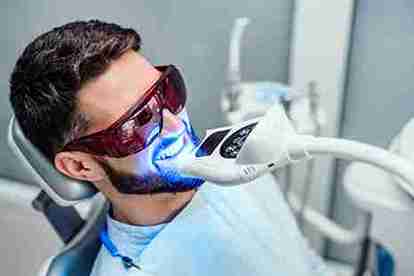
During a session, the clinician cleans the area and may apply a topical numbing agent. The laser handpiece is positioned over the tattoo while protective eyewear is worn. Sessions may last from a few minutes to an hour depending on tattoo size. Tinting or immediate whitening of the skin is common right after treatment and typically subsides within hours to days.
Aftercare and Recovery
Immediate care and healing timeline
Aftercare often includes keeping the area clean, applying recommended ointments or dressings, and avoiding sun exposure. Blistering or scabbing can occur; these should be allowed to heal naturally to reduce scarring risk. Full clearance requires time between sessions—typically several weeks to months—to allow immune clearance and skin recovery.
Risks and Potential Outcomes
Common and less common side effects
Common side effects include temporary redness, swelling, blistering, and changes in pigmentation—either hypopigmentation (lighter skin) or hyperpigmentation (darker skin). Scarring is possible but less common with proper technique and aftercare. Rarely, allergic reactions to ink components or infection can occur. Expectations should be realistic: some colors (for example, certain yellows and greens) are more resistant, and complete removal is not guaranteed.
Choosing a Provider
Qualifications and facility standards
Select a clinician with training in laser medicine, such as a dermatologist or a licensed practitioner with documented experience in tattoo removal. Review before-and-after photos, ask about the specific laser systems used, and confirm that the facility follows safety protocols for eye protection, infection control, and emergency procedures. Professional organizations such as the American Academy of Dermatology and the American Society for Laser Medicine and Surgery provide practice guidelines and training resources.
Regulatory and Safety Notes
Devices used for tattoo removal are subject to regulatory oversight in many countries. For regulatory guidance and consumer information, consult the Food and Drug Administration (FDA) resources on tattoos and device safety: FDA: Tattoos and Permanent Makeup. Local public health authorities and dermatology associations also publish safety recommendations.
Cost and Session Planning
Pricing factors
Cost varies by tattoo size, color complexity, number of sessions, geographic location, and provider experience. Initial consultations may include an estimated number of sessions; actual needs depend on the tattoo’s response. Many clinics offer pay-per-session pricing rather than a guaranteed total removal plan.
Alternatives
Non-laser options
Alternatives include surgical excision for small tattoos and dermabrasion, though these carry different risk profiles and scarring potential. Tattoo lightening with lasers to prepare for cover-up tattoos is also an option for those seeking modification rather than complete removal.
Conclusion
Laser tattoo removal is an established method to reduce or remove unwanted ink, but outcomes depend on many variables including ink color, skin type, laser technology, and the clinician’s expertise. A careful consultation, adherence to pre- and post-care directions, and realistic expectations improve safety and satisfaction.
Frequently asked questions
How many sessions of laser tattoo removal are typically needed?
Number of sessions varies widely. Small, black-ink tattoos may require 2–6 sessions, while large or multi-colored tattoos can need 8–12 or more. Sessions are spaced weeks apart to allow the immune system to clear fragmented pigment.
Does laser tattoo removal hurt?
Discomfort levels vary; many describe sensations similar to rubber-band snaps. Topical anesthetics, cooling devices, and other comfort measures are used to reduce pain during treatment.
What are the risks of laser tattoo removal?
Risks include temporary redness, blistering, pigment changes, scarring, infection, and rare allergic reactions. Risk mitigation includes choosing a qualified provider and following aftercare instructions.
Can all tattoo colors be removed with laser tattoo removal?
Some colors respond better than others. Black and dark blue inks are usually the easiest to remove. Certain light colors such as yellow, orange, and some greens can be more resistant and may require specialized wavelengths or alternative approaches.