How to Get an LEI in Australia: Registration, Cost and Application Guide
-

- Published Updated
- 3,201 views
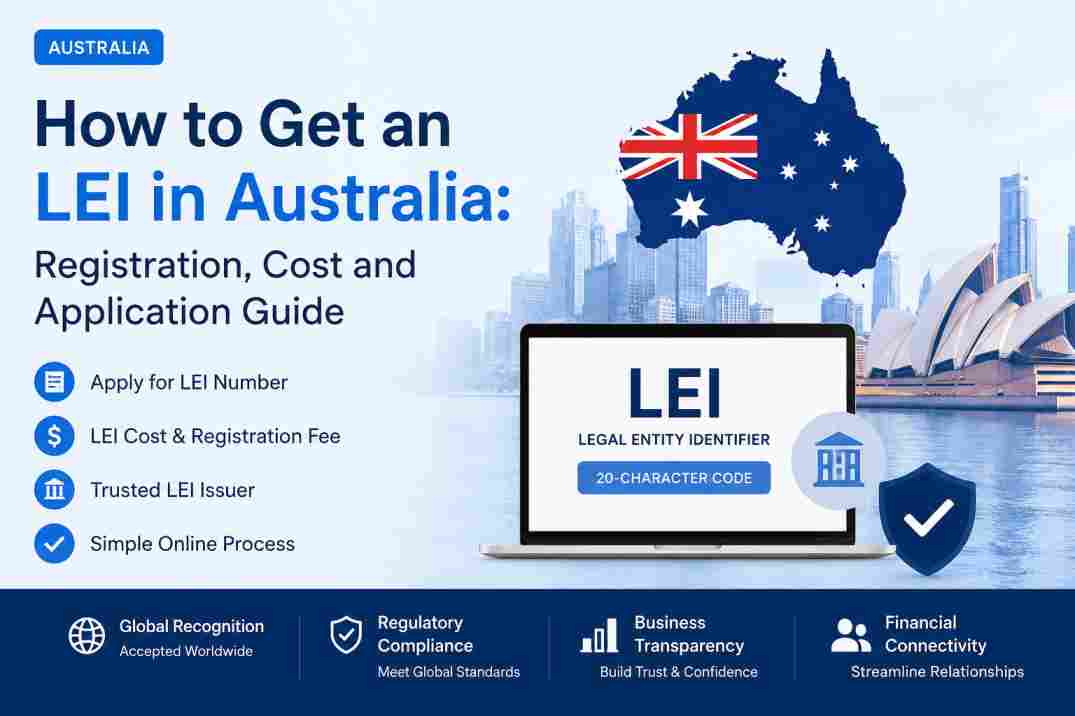
Australian businesses involved in financial transactions, investment activities, regulatory reporting, or international operations may need a Legal Entity Identifier to establish a clear and recognised legal identity.
A Legal Entity Identifier, or LEI, is a unique 20-character code assigned to an eligible legal entity. It helps financial institutions, counterparties, and reporting systems identify the correct organisation.
For businesses planning to complete LEI registration Australia, understanding the application process, LEI cost, and the role of an LEI Issuer can help them choose the right registration option from the beginning.
Why Australian Businesses Apply for an LEI
An LEI Australia can be relevant for organisations involved in activities such as:
- Financial market transactions
- Banking relationships
- Investment activities
- Derivatives
- Regulatory reporting
- Cross-border financial transactions
- International business operations
The requirement depends on the legal entity and the specific financial activity involved.
For organisations that need an LEI, completing registration early can help avoid unnecessary delays when the identifier is required for a transaction or reporting process.
What Is a Legal Entity Identifier?
A Legal Entity Identifier is a globally standardised identifier linked to a specific legal entity.
The LEI record can contain information such as:
- Official legal entity name
- Registered address
- Registration details
- Entity status
- Legal form
- Relationship information where applicable
An LEI identifies the organisation itself rather than an individual, bank account, financial product, or transaction.
How to Apply for LEI Number in Australia
Businesses ready to Apply for LEI number should first check whether an LEI already exists for their organisation.
If no identifier is found, the application process generally includes:
- Identify the correct legal entity.
- Prepare official company information.
- Submit the LEI application.
- Complete entity validation.
- Provide additional information where required.
- Receive the LEI after successful processing.
Using accurate organisation information from the start can help reduce avoidable validation issues.
What Information Is Needed for LEI Registration?
Businesses preparing to Apply for LEI should generally have the following information available:
- Registered legal name
- Business registration number
- Registered office address
- Entity type
- Applicant information
- Parent relationship details where applicable
The information submitted should match appropriate official records.
LEI Registration Australia for New Applicants
LEI registration Australia is intended for an eligible entity that does not already have an identifier.
Before starting a new application, businesses should always search for the legal entity first.
If an LEI already exists, the organisation may need:
- LEI renewal
- LEI transfer
- Lapsed LEI renewal
- Entity information update
A second LEI should generally not be requested for the same legal entity.
What Does Register LEI Mean?
To Register LEI means obtaining a new Legal Entity Identifier for an eligible organisation.
The application should relate to the exact legal entity requiring identification.
This matters for businesses operating through corporate groups. A group may contain:
- Parent company
- Operating subsidiaries
- Investment entities
- Treasury companies
- Special-purpose vehicles
Each may be legally separate and should be assessed individually.
Understanding LEI Number and LEI Code
The terms LEI number and LEI code generally refer to the same 20-character Legal Entity Identifier.
Once issued, the identifier remains associated with that legal entity throughout its lifecycle.
The LEI does not normally change simply because the organisation renews the record or changes the provider managing it.
What Is the LEI Registration Fee?
The LEI registration fee is an important factor when choosing where to apply.
Businesses should consider not only the initial registration price but also what is included.
Useful points to compare include:
- Registration period
- Renewal options
- Multi-year plans where available
- Entity information management
- Transfer options
- Support
Understanding the full service can help businesses avoid choosing an option based only on the lowest upfront price.
Understanding LEI Cost
LEI cost can vary depending on the registration period and service option selected.
Businesses expecting to maintain an LEI over several years may want to compare:
- One-year registration
- Multi-year options
- Renewal arrangements
- Ongoing management requirements
The right option depends on how the organisation expects to use and maintain its LEI.
Why the LEI Issuer Matters
An LEI Issuer is responsible for issuing and maintaining Legal Entity Identifier records within the Global LEI System.
The issuer validates the relevant legal entity information before the identifier is issued.
Businesses should therefore understand who is responsible for the underlying LEI record when selecting where to register.
This can help them make a more informed decision about registration, renewal, and future lifecycle management.
LEI Registration vs Renewal
New registration and renewal are different processes.
A new Legal Entity Identifier registration is intended for an entity without an existing LEI.
Renewal is used when an organisation already has an identifier and needs its associated information revalidated.
If an existing LEI has become lapsed, the business should generally renew that identifier rather than submit a completely new registration.
Why Use an Online LEI Registration Process?
An online LEI process can make registration easier by allowing organisations to submit their entity information digitally.
Businesses can prepare their official company details, submit the application, and manage future LEI lifecycle requirements through an online platform.
For organisations that need an identifier for a time-sensitive financial activity, having a clear online process can help simplify administration.
Choosing the Right LEI Registration Option
Before submitting an application, businesses should consider:
- Whether a new LEI is actually required
- Which legal entity needs the identifier
- LEI registration fee
- Ongoing LEI cost
- Renewal options
- Provider and issuer information
- Future management requirements
Taking a few minutes to review these factors before applying can help businesses choose a more suitable option.
Why Choose TNV LEI for Australia?
TNV LEI helps eligible Australian organisations obtain and manage Legal Entity Identifiers through an online process.
Businesses can use TNV LEI for:
- New LEI registration
- LEI renewal
- LEI transfer
- Lapsed LEI management
- Entity information updates
- Ongoing LEI lifecycle management
For organisations ready to obtain an identifier, the first step is to check whether an LEI already exists and then proceed with the appropriate application process.
Frequently Asked Questions
How do I Apply for LEI number in Australia?
Check whether the legal entity already has an LEI. If not, prepare the official organisation information and complete the applicable registration and validation process.
What is the difference between LEI number and LEI code?
There is no practical difference. Both terms generally refer to the same 20-character Legal Entity Identifier.
How much does LEI registration cost?
LEI cost depends on the selected registration period and service option.
Do I need a new LEI if my existing LEI has lapsed?
No. A lapsed LEI remains associated with the same legal entity and should generally be renewed rather than replaced.
Can I change my LEI provider later?
Yes. An existing LEI can generally be transferred between providers while the same identifier remains associated with the legal entity.
Conclusion
Getting an LEI in Australia starts with identifying the correct legal entity, checking whether an identifier already exists, and choosing the appropriate registration option.
Businesses preparing for LEI registration Australia should compare the LEI registration fee, ongoing LEI cost, issuer information, and future lifecycle requirements before applying.