Lip Augmentation for Teens: Safe Options, Risks, and a Practical Checklist
-

- March 02nd, 2026
- 342 views

Get a free topical map and start building content authority today.
Lip augmentation for teens raises questions about safety, consent, and realistic outcomes. This guide explains common procedures, medical and psychosocial risks, age and legal considerations, practical alternatives, and how to make an informed decision if a teenager and their guardian are considering cosmetic lip enhancement.
- Primary intent: Informational
- Most common teen procedures: temporary hyaluronic acid fillers and lip plumping topical products
- Key concerns: facial growth, informed consent, procedure setting, and short- vs long-term effects
- Use the DECIDE checklist before any appointment (Discuss, Evaluate, Consent, Information, Delay, Explore alternatives)
- See official safety information from the FDA: FDA guidance on dermal fillers
Lip augmentation for teens: What it is and why it matters
Lip augmentation refers to procedures that increase lip volume, change shape, or smooth lines around the mouth. For teenagers, the term carries extra weight because facial anatomy continues developing into late adolescence and because consent and psychological readiness are important. Common methods include temporary hyaluronic acid (HA) dermal fillers, topical lip plumpers, and noninvasive cosmetic approaches such as makeup techniques. Understanding the options and risks supports safer decisions.
Common options and how they differ
Temporary dermal fillers (hyaluronic acid)
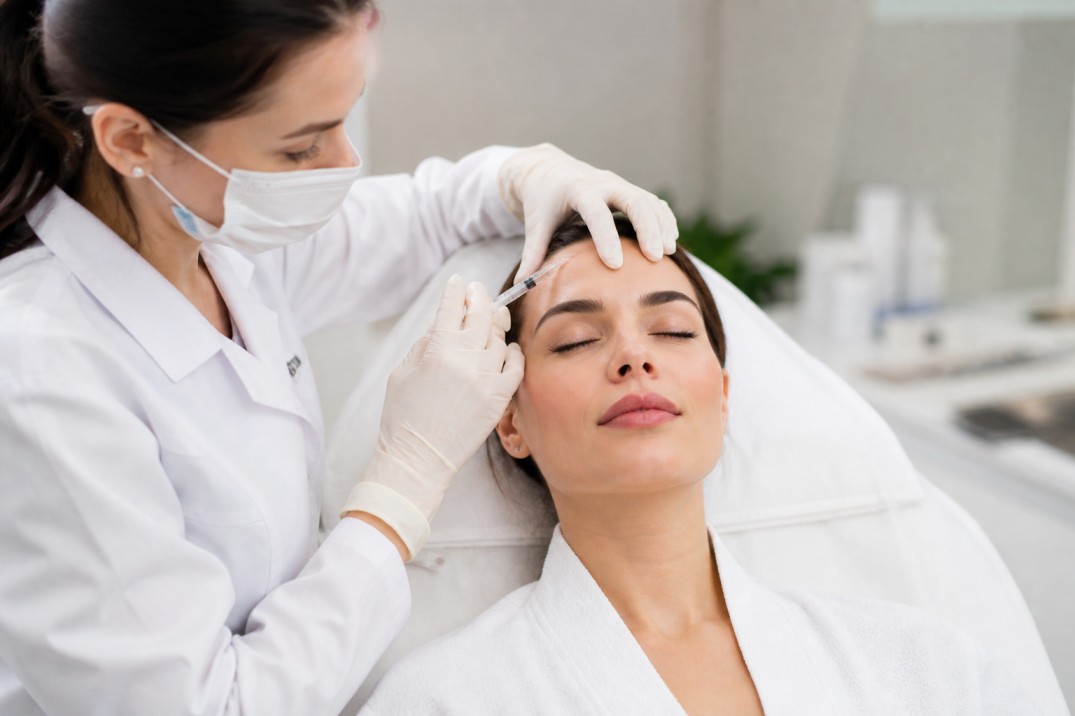
HA fillers are the most used injectable option. Results are immediate and usually last 6–12 months. Because HA is reversible with an enzyme (hyaluronidase), some of the long-term risk is mitigated—but injectables still require an experienced, licensed medical professional and a medically appropriate setting.
Topical plumpers and noninvasive approaches
Over-the-counter lip plumpers, lip masks, and makeup contouring provide temporary visual changes without injections. These can be lower-risk choices for teens seeking subtle change or trying a new look before committing to a medical procedure.
Permanent or semi-permanent implants
Permanent implants and non-HA substances carry higher long-term risk and are generally not appropriate for teenagers because facial proportions can change over time.
Safety considerations, legal and developmental factors
Medical safety and procedural risks
- Possible complications: swelling, bruising, infection, allergic reaction, lumps, vascular occlusion (rare but serious).
- Long-term unknowns: effect on facial growth and changing proportion during late adolescence.
- Importance of a licensed clinician: credential verification and medical setting reduce risk.
Consent, age limits, and guardianship
Age rules vary by jurisdiction and clinic. Many practitioners require parental or guardian consent for patients under 18. Professional societies and local regulations provide the legal framework—confirm requirements before scheduling.
DECIDE checklist — a named framework for choosing responsibly
The DECIDE checklist helps families evaluate cosmetic choices for teens:
- D — Discuss motivations and expectations with the teen and guardians.
- E — Evaluate medical credentials, clinic setting, and safety protocols.
- C — Consent: confirm local age rules and document parental/guardian consent when required.
- I — Inform: review risks, reversibility, and follow-up plans with the clinician.
- D — Delay: consider waiting periods (e.g., 6–12 months) to avoid decisions driven by trends or peer pressure.
- E — Explore alternatives: noninvasive options, counseling for body-image concerns, and makeup techniques.
Real-world example: a practical scenario
A 16-year-old concerned about slight asymmetry of the upper lip and persistent social anxiety about photos explores options. Following the DECIDE checklist, the teen and guardian schedule a consultation with a board-certified dermatologist, confirm parental consent and clinic credentials, review reversible HA filler options, and agree to a conservative, minimal-volume approach with a 3-month review and an option to reverse if unwanted. The clinician documents the discussion and schedules a follow-up. This staged plan minimized risk and set clear expectations.
Practical tips before considering a procedure
- Verify the clinician’s medical license and ask about injectables experience specifically with younger patients.
- Ask for before-and-after photos of similar cases and for an explanation of potential complications and their frequency.
- Insist on an in-person consultation, documented informed consent, and a clear aftercare plan including when to seek emergency care.
- Start conservatively: choose reversible, temporary methods and plan staged treatments rather than a large initial volume.
Trade-offs and common mistakes
Trade-offs to understand
Temporary vs permanent: Temporary HA fillers offer reversibility at the cost of repeat visits. Permanent implants avoid repeat treatments but increase long-term risk. Social and psychological trade-offs: immediate social satisfaction versus potential regret as facial proportions change.
Common mistakes
- Choosing a provider based on price or social media presence rather than qualifications.
- Skipping a medical consultation or failing to verify licensing and clinic safety.
- Underestimating recovery time or expecting identical results to filtered photos or apps.
Alternatives to injections and when to delay
Consider makeup techniques, topical plumpers, noninvasive skin-care options, and counseling for body-image concerns. Delay cosmetic procedures if the motivation comes from peer pressure, temporary social trends, or unresolved mental-health issues—professional counseling or waiting until facial growth is complete may be the safer option.
Core cluster questions (for related articles or internal linking)
- What are the medical risks of dermal fillers in teenagers?
- How long do hyaluronic acid lip fillers last in adolescents?
- When is it appropriate to consider cosmetic procedures during adolescence?
- What noninvasive alternatives to lip fillers work best for teens?
- How to verify a clinician’s qualifications for injectable cosmetic treatments?
References and official guidance
For factual safety information and regulatory context, consult national health agencies and professional societies. The FDA maintains guidance and safety updates for dermal fillers: FDA guidance on dermal fillers. Local medical boards and the American Academy of Pediatrics also provide statements relevant to minors.
Final takeaway
Lip augmentation for teens should be approached cautiously, with emphasis on medical safety, informed consent, and psychological readiness. Temporary, reversible options and a staged plan reduce risk. Use the DECIDE checklist and verified medical advice to move from curiosity to a safe, documented decision.
FAQ: Is lip augmentation for teens safe?
Safety depends on method, clinician skill, and individual health. Temporary HA fillers performed by a qualified medical professional in an appropriate setting have known risk profiles but are not risk-free. Confirm credentials, understand reversible options, and follow the DECIDE checklist.
What are teen lip filler risks and side effects?
Common side effects include bruising, swelling, and temporary asymmetry. Rare but serious risks include infection, allergic reaction, and vascular occlusion. Immediate care protocols and an experienced clinician reduce these risks.
Are there noninvasive teen lip filler alternatives?
Yes—topical plumpers, makeup contouring, lip masks, and behavioral strategies (e.g., counseling for body image) can provide safer temporary changes without injections.
How to evaluate a clinic and clinician for teen lip procedures?
Verify medical license, request credential documentation, ask about experience with younger patients, confirm clinic infection-control protocols, and require documented informed consent and follow-up plans.
When should a teen wait before considering lip augmentation?
Waiting is advisable if motivations are trend-driven, if facial growth is ongoing, or if there are unresolved mental-health concerns. A conservative delay of several months to a year to reassess motivations and to allow continued facial development is common practice among clinicians.