Lipoma Treatment in Dubai: Complete Patient Guide and Costs
-

- Published Updated
- 1,346 views
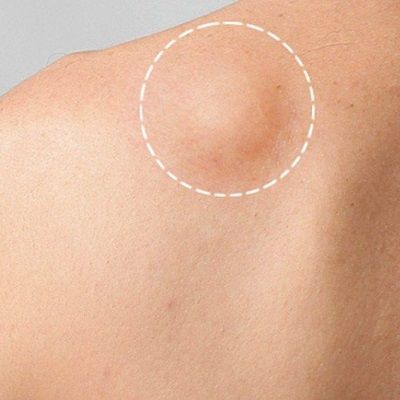
The following guide explains options, costs, and practical steps for lipoma treatment Dubai patients commonly consider. Lipomas are benign fatty lumps; treatment choices depend on size, symptoms, location, and cosmetic priorities.
Quick overview: most lipomas do not require treatment. When removal is chosen, standard approaches in Dubai include surgical excision, liposuction-assisted removal, and minimally invasive techniques performed by dermatologists or plastic surgeons. This guide covers typical prices, recovery, decision-making, and how to select a clinic.
Detected intent: Informational
Lipoma Treatment Dubai: options, how they work, and who performs them
Common lipoma treatment Dubai options include watchful waiting, surgical excision, liposuction-assisted removal, and steroid injection for smaller lesions. Treatment selection factors include lump size, depth, number of lipomas, and cosmetic concerns.
Standard procedures explained
- Surgical excision: Complete removal under local or general anesthesia. Provides tissue for histopathology and lowest recurrence risk.
- Liposuction-assisted removal: Smaller scars and faster recovery when the lipoma is soft and not fibrous; may have slightly higher recurrence risk.
- Mini-invasive techniques: Small-incision, endoscopic, or tunneling methods reduce scar length for suitable cases.
- Steroid injection: Occasionally used to shrink small lipomas, but not reliable for complete removal.
Who performs treatment
Procedures are typically carried out by board-certified dermatologists, general surgeons, or plastic surgeons. Clinics in Dubai commonly publish physician credentials — verify surgical privileges and pathology follow-up.
Expected costs and logistics (lipoma removal Dubai cost overview)
Price ranges vary with clinic, technique, anesthesia, and number of lesions. A single small lipoma removed under local anesthesia generally costs less than removal requiring general anesthesia or multiple sites. Typical components: surgeon fee, facility fee, anesthesia, and histopathology.
Typical price ranges
- Small excision under local anesthesia: lower range
- Excision under general anesthesia or multiple lipomas: higher range
- Liposuction-assisted removal: mid-to-high range depending on equipment and expertise
Exact pricing should be confirmed with clinics. For general information on diagnosis and treatment standards, refer to authoritative clinical guidance such as the NHS overview on lipomas: NHS: Lipoma.
Decision framework: LIPOMA DECISION FRAMEWORK
Use the LIPOMA DECISION FRAMEWORK to decide on next steps:
- Location & Symptoms — Assess pain, growth rate, and functional impact.
- Imaging & Biopsy — Ultrasound when depth or atypical features exist; biopsy if suspicious.
- Procedure Choice — Match excision, liposuction, or minimally invasive approach to case.
- Operations & Anesthesia — Determine setting (clinic vs hospital) and anesthesia needs.
- Aftercare & Pathology — Confirm histopathology and arrange follow-up for wound care.
Practical example: patient scenario
Scenario: A 35-year-old with a painless, 3 cm soft lump on the upper back seeks removal for cosmetic reasons. Examination and ultrasound confirm a subcutaneous lipoma with no suspicious features. Options presented: office excision under local anesthesia (preferred for complete removal and histology) or liposuction-assisted removal to minimize scar length but with slightly higher recurrence risk. The patient chooses excision; the procedure is outpatient with sutures removed at 10–14 days and a pathology report confirming benign tissue.
Practical tips for patients
- Verify the clinician’s surgical credentials and ask about sample pathology after removal.
- Request a written estimate covering all fees including anesthesia and pathology.
- Ask whether imaging (ultrasound) is recommended before any procedure to assess depth and vascularity.
- Discuss scar placement and size; request photos of similar cases from the clinic.
Common mistakes and trade-offs
Trade-offs when choosing methods:
- Excision vs liposuction: excision minimizes recurrence and provides tissue for testing; liposuction reduces scarring but may miss fibrous tissue.
- Clinic convenience vs facility safety: low-cost clinics may be fine for small lesions, but larger or deep lipomas are safer in accredited surgical centers.
- Ignoring pathology: skipping histology risks missing a rare atypical lipomatous tumor.
Core cluster questions
- How is a lipoma diagnosed and when is imaging required?
- What are the recovery times after lipoma excision versus liposuction?
- How to choose between a dermatologist, general surgeon, or plastic surgeon?
- What follow-up care is standard after lipoma removal?
- How often do lipomas recur after different treatment methods?
Before-and-after care and follow-up
Aftercare usually includes keeping the wound clean, limited activity for a short period, and follow-up to remove sutures and review pathology. Immediate signs to report: increasing pain, fever, spreading redness, or wound discharge.
FAQs
How long does recovery take after lipoma treatment Dubai?
Recovery typically ranges from a few days for minor liposuction-assisted procedures to 1–2 weeks for excision with return to normal activity. Heavy lifting may be restricted for several weeks depending on excision depth.
Will lipoma removal leave a noticeable scar?
Scar visibility depends on size, location, and technique. Excision creates a linear scar; liposuction tends to leave smaller puncture scars. Surgeons can often place incisions along natural skin lines to minimize appearance.
Is lipoma removal painful?
Local anesthesia prevents pain during the procedure. Mild discomfort, swelling, and bruising are common after, controlled with standard analgesics and wound care.
Can lipomas come back after treatment?
Recurrence is uncommon after complete excision. Liposuction-assisted removal can have a slightly higher recurrence risk if some fatty tissue remains.
Are there non-surgical alternatives to lipoma treatment Dubai?
Observation is appropriate for asymptomatic lipomas. Steroid injections or lipolytic agents are not reliably curative. Surgical removal remains the definitive option for symptomatic or growing lipomas.
Is biopsy or pathology necessary after removal?
Yes. Sending excised tissue for histopathology is standard practice to confirm the benign diagnosis and exclude rare atypical tumors.