Lithium-Ion Battery Market: Trends, Opportunities, and Long-Term Growth Outlook
-
- July 13th, 2026
- 4,761 views
Market Overview
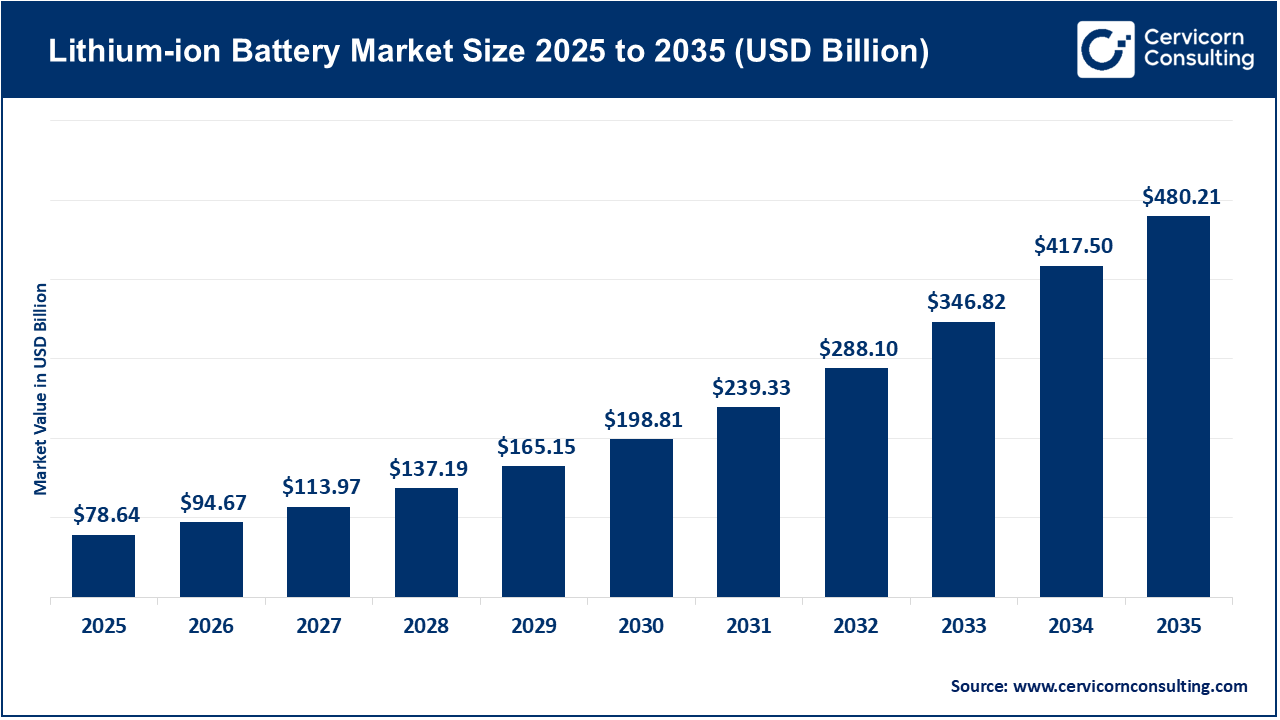
The global Lithium-Ion Battery Market has established itself as a critical component of the modern energy storage and electrification landscape. With a market valuation of approximately USD 78.64 billion in 2025, it is expected to surge to nearly USD 480.21 billion by 2035, reflecting a robust CAGR of 19.83% during the forecast period from 2026 to 2035.
Read a Full Report: https://www.cervicornconsulting.com/lithium-ion-battery-market
This impressive growth trajectory is primarily driven by the widespread adoption of electric vehicles (EVs), increasing deployment of renewable energy systems, rising demand for portable consumer electronics, and the rapid advancement of industrial automation technologies. Governments and private-sector stakeholders across the globe are channeling substantial investments into battery manufacturing facilities, energy storage infrastructure, and sustainable transportation programs aimed at reducing emissions and strengthening energy security.
Furthermore, continuous innovations in battery chemistry, design, and manufacturing are improving energy density, charging efficiency, operational safety, and battery longevity, creating new growth opportunities across automotive, aerospace, healthcare, utility, and consumer electronics industries.
Get a Free Sample Report: https://www.cervicornconsulting.com/sample/2591
Overview of the Lithium-Ion Battery Market
The lithium-ion battery market encompasses the complete value chain associated with the development, production, distribution, and deployment of rechargeable lithium-ion battery technologies. These batteries generate and store energy through the movement of lithium ions between the cathode and anode during charging and discharge cycles.
The market consists of several interconnected segments, including:
Battery cell manufacturing
Battery pack assembly
Cathode and anode material production
Electrolyte development
Battery Management Systems (BMS)
Battery recycling and second-life applications
Energy storage systems (ESS)
Electric vehicle battery manufacturing
Consumer electronics battery solutions
Thanks to their high energy density, minimal self-discharge, and long operating life, lithium-ion batteries have become the preferred power source for smartphones, laptops, power tools, medical equipment, industrial machinery, electric vehicles, and utility-scale energy storage installations.
Importance of the Lithium-Ion Battery Market
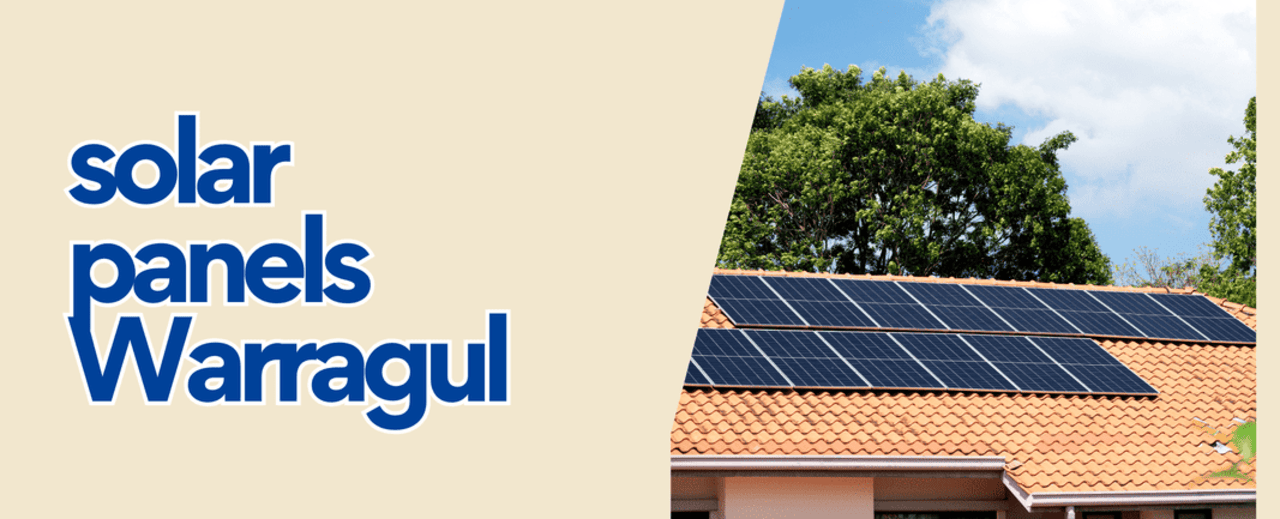
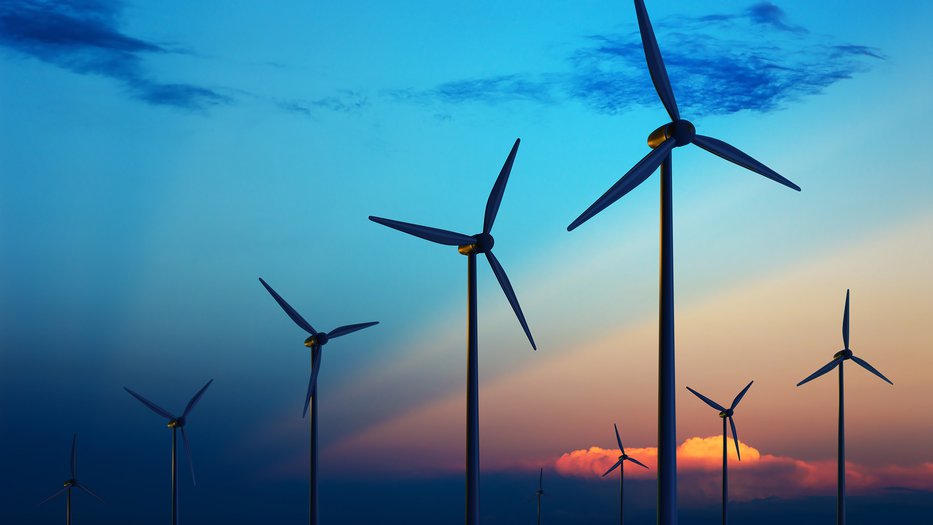
Lithium-ion batteries are central to the global transition toward cleaner energy systems and sustainable transportation solutions. As governments pursue ambitious carbon reduction goals and renewable energy targets, battery storage technologies are playing a vital role in storing electricity generated from solar, wind, and other renewable sources.
In the transportation sector, lithium-ion batteries power the rapidly growing electric vehicle industry, helping reduce greenhouse gas emissions and dependence on fossil fuels. Beyond mobility, these batteries support smart grid modernization, energy resilience, portable electronic devices, and critical digital infrastructure.
The industry also contributes significantly to economic development by creating manufacturing employment, attracting investments in critical minerals, and accelerating innovation across advanced energy storage technologies.
Key Factors Driving Market Expansion
Several trends are contributing to the rapid growth of the lithium-ion battery industry:
Increasing adoption of electric vehicles worldwide
Rising investments in renewable energy storage infrastructure
Growing demand for smartphones, tablets, laptops, and wearable devices
Continuous advancements in battery chemistry and manufacturing processes
Government incentives supporting clean transportation and energy transition
Expansion of utility-scale battery storage projects
Falling battery production costs
Development of smart cities and industrial automation initiatives
Stronger sustainability and carbon neutrality commitments
Growing demand for reliable backup power systems
Advancements in battery recycling and circular economy initiatives
Investments in gigafactories and next-generation battery technologies
Leading Companies Shaping the Industry
Toshiba Corporation
Toshiba is recognized for its innovative SCiB lithium-ion battery technology, which offers fast charging, enhanced safety, and extended operational life. The company serves transportation, renewable energy, and industrial sectors worldwide.
Samsung SDI Co., Ltd.
Samsung SDI is among the world's leading producers of lithium-ion batteries for electric vehicles, energy storage systems, and consumer electronics. The company continues to invest in advanced battery platforms and solid-state battery development.
Saft
Saft specializes in industrial-grade lithium-ion battery solutions designed for critical applications across aerospace, defense, rail transportation, and renewable energy industries.
Panasonic Corporation
Panasonic remains a major force in the global battery market, supplying high-performance batteries for electric vehicles and consumer electronics through long-standing partnerships with leading automotive manufacturers.
LG Chem
LG Chem is a prominent supplier of battery materials and lithium-ion battery technologies, serving automotive, industrial, and energy storage applications through its expertise in advanced battery chemistry and cathode development.
Emerging Trends Influencing the Market
Electric Vehicle Growth
Electric vehicles continue to be the largest contributor to lithium-ion battery demand, prompting substantial investments in battery manufacturing and EV production.
Impact:
Expansion of manufacturing capacity
Lower battery costs
Increased demand for lithium, nickel, and cobalt
Solid-State Battery Innovation
Solid-state battery technology is attracting considerable industry attention due to its potential to deliver greater energy density, faster charging speeds, and enhanced safety.
Impact:
Extended EV driving ranges
Reduced safety concerns
New market opportunities
Expansion of Grid-Scale Energy Storage
Electric utilities are increasingly deploying lithium-ion battery systems to support renewable energy integration and maintain grid stability.
Impact:
Improved renewable energy utilization
Enhanced grid reliability
Growth of utility-scale storage installations
Battery Recycling and Circular Economy
Growing environmental concerns and supply chain challenges are driving investments in battery recycling technologies and resource recovery initiatives.
Impact:
Reduced raw material dependence
Improved recycling efficiency
Greater sustainability
Advanced Battery Management Systems
Artificial intelligence, predictive analytics, and digital monitoring tools are improving battery performance, safety, and lifecycle management.
Impact:
Better operational efficiency
Extended battery lifespan
Lower maintenance costs
Localization of Manufacturing
Many countries are investing in domestic battery manufacturing to improve supply chain resilience and reduce geopolitical risks.
Impact:
Increased regional investment
Employment generation
Enhanced supply chain security
Notable Global Success Stories
China's EV and Battery Ecosystem
China has built the world's largest lithium-ion battery manufacturing network through strategic industrial policies, infrastructure investments, and government support.
Achievements:
World's largest EV market
Integrated battery supply chain
Extensive manufacturing capacity
United States Gigafactory Development
Large-scale battery production facilities are strengthening domestic energy storage and electric vehicle manufacturing capabilities.
Achievements:
Higher local battery production
Reduced reliance on imports
Increased clean-energy employment
European Battery Alliance
The European Union has implemented coordinated strategies to develop a competitive battery manufacturing ecosystem.
Achievements:
Significant gigafactory investments
Stronger regional supply chains
Improved energy independence
South Korea's Battery Leadership
South Korean companies remain at the forefront of battery innovation through advanced research and strategic partnerships with global automakers.
Achievements:
Strong export growth
Continuous technological advancement
Extensive OEM collaborations
Japan's Innovation Ecosystem
Japan continues to lead in battery materials research, manufacturing excellence, and advanced battery technologies.
Achievements:
Cutting-edge battery chemistries
High-quality production standards
Strong intellectual property assets
Regional Market Analysis
Asia-Pacific
Asia-Pacific continues to dominate the lithium-ion battery market due to its mature manufacturing ecosystem, established supply chains, and high EV adoption rates.
Major markets include:
China
Japan
South Korea
India
Government initiatives such as India's Production Linked Incentive (PLI) Scheme, FAME program, and Advanced Chemistry Cell (ACC) initiatives are supporting domestic battery manufacturing growth.
North America
North America is experiencing significant expansion due to increasing EV demand and large-scale investments in battery manufacturing facilities.
Key markets include:
United States
Canada
Mexico
Policy frameworks such as the Inflation Reduction Act and EV incentives are supporting local production and clean energy deployment.
Europe
Europe is rapidly expanding its battery manufacturing capacity to meet climate goals and reduce dependency on imported battery technologies.
Leading markets include:
Germany
France
United Kingdom
Sweden
Netherlands
The European Battery Alliance and European Green Deal continue to stimulate regional investments.
Latin America
Latin America plays a crucial role in the global battery supply chain due to its abundant lithium reserves.
Major markets include:
Chile
Argentina
Brazil
Governments are promoting sustainable lithium extraction and value-added processing investments.
Middle East & Africa
The region is steadily increasing investments in renewable energy storage systems and electric mobility initiatives.
Key countries include:
United Arab Emirates
Saudi Arabia
South Africa
Programs such as Saudi Vision 2030 are encouraging investments in battery manufacturing, electric vehicle production, and economic diversification.
Conclusion
The lithium-ion battery market is expected to maintain strong momentum throughout the next decade as electrification, renewable energy deployment, and digital transformation continue to reshape global industries. Advancements in battery technology, expanding manufacturing capacity, supportive government policies, and increasing sustainability commitments will continue to create substantial growth opportunities across transportation, energy storage, industrial, and consumer sectors.
Contact Us for Detailed Market Insights: https://www.cervicornconsulting.com/contact-us