Practical Living Room Remodeling Guide for North Berwick, ME
-

- April 17th, 2026
- 230 views

Get a free topical map and start building content authority today.
Homeowners considering living room remodeling North Berwick, ME need a clear plan that balances design goals, budget, and local code requirements. This guide explains what to expect from professional services, how to prepare, and which decisions have the biggest impact on cost and long-term value.
Detected intent: Commercial Investigation
Quick take: Start with a short brief (scope + budget), confirm required permits, prioritize structural and systems work, and use the ROOMS Remodel Checklist below to keep contractors aligned. Core cluster questions and practical tips are included for fast reference.
Core cluster questions
- How much does a living room remodel typically cost for a small New England home?
- What permits are required for a living room renovation in Maine?
- How to plan an open concept living room remodel without losing historic character?
- What materials balance durability and cost for high-traffic living rooms?
- How to evaluate a North Berwick home remodeling contractor's portfolio and references?
Living room remodeling North Berwick, ME: what local homeowners should know
Overview and common goals
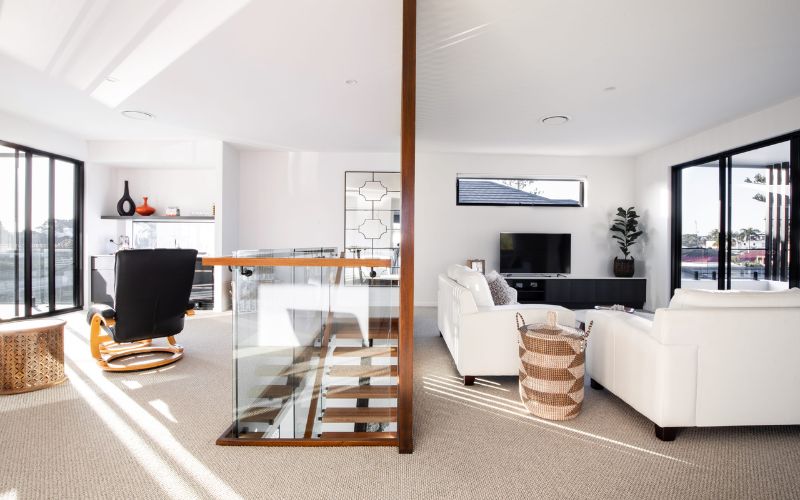
Living room remodeling projects typically aim to improve layout, increase natural light, update finishes, and modernize mechanical systems. For North Berwick properties, common priorities include creating an open concept living room remodel while respecting older home details, upgrading insulation and windows for Maine winters, and ensuring that any structural changes meet local building codes.
Key stakeholders and standards
Work that affects structure, electrical, or plumbing usually involves a licensed contractor and inspections by the town building department. For general best practices and industry guidance, consult the National Association of Home Builders: National Association of Home Builders.
ROOMS Remodel Checklist: a practical framework
Use the ROOMS Remodel Checklist to structure the project. Each letter is a decision area to cover before construction starts.
- R — Requirements: Define use cases (entertaining, TV, play area), seating capacity, storage needs, and mobility/accessibility requirements.
- O — Open plan & Orientation: Decide whether to remove walls for an open concept living room remodel, and map sun orientation for windows and glazing.
- O — Orientation of Systems: Locate HVAC, electrical, and data outlets early; repositioning adds cost.
- M — Materials & Finishes: Select flooring, trim, paint, and lighting types with durability and maintenance in mind.
- S — Scope, Schedule & Safety: Finalize project scope, a realistic timeline, and temporary living arrangements if necessary.
Practical pre-construction steps
Before hiring a contractor, have a concise brief that includes dimensions, photos, preferred finishes, and a target budget range. Request written bids that break out demolition, structural work, mechanical/electrical, finishes, and a contingency (commonly 10–20%). Confirm whether the quote includes permit costs and inspection coordination.
Permits, codes, and inspections
Typical permits for a living room renovation include building permits for structural changes and electrical permits for any rewiring. Local code enforcement offices in York County can confirm exact requirements; a contractor should pull required permits and schedule inspections. When working in older homes, check for lead paint and insulation types that may require special handling.
Materials and systems decisions
Select materials that match lifestyle and climate. For floors in a high-traffic New England living room, engineered hardwood or high-quality laminate often balances appearance and moisture tolerance. When enlarging windows or changing wall openings, specify energy-efficient units rated for colder climates and consider upgraded insulation for thermal comfort.
Real-world example: small Cape-style living room remodel
Scenario: A 1940s Cape with a closed-off living room wants more light and space for family gatherings. Solution steps: remove a non-load-bearing partition, install a larger triple-window unit on the south wall, refinish existing pine flooring, update baseboard heat controls, and reconfigure lighting for layered zones. Result: more usable space and improved daylighting without major structural work. Final cost range depends on finishes and scope; solicit local bids for accurate estimates.
Practical tips
- Prioritize systems and structure first: fix insulation, electrical, and HVAC issues before cosmetic finishes.
- Use a detailed, line-item contract with payment milestones tied to inspections or completed phases.
- Plan lighting in layers (ambient, task, accent) and locate switches and outlets for future flexibility.
- Keep a 10–20% contingency fund for surprises, especially in older homes.
- Get proof of insurance and check contractor licensing and local references.
Trade-offs and common mistakes
Trade-offs: Opening walls improves flow and light but can increase cost sharply if structural beams or rerouting of HVAC is required. High-end finishes boost resale appeal but may not yield full cost recovery. Common mistakes include underestimating the time for permitting, hiring solely on low price without verifying references, and postponing systems upgrades until after cosmetic work, which leads to rework.
How to evaluate bids and choose a contractor
Compare three bids for the same scope. Look for clear timelines, payment schedules, warranty terms, and detailed allowance line-items for finishes. Verify that subcontractors are included and that the main contractor coordinates inspections. Ask for recent, local references and photos of completed living room renovations similar to the desired style.
Core cluster questions for related articles and internal linking
- What is a realistic budget breakdown for a living room renovation in southern Maine?
- How to plan an open concept living room remodel for a historic house?
- What permits are needed for altering load-bearing walls in a New England home?
- Which flooring options work best for families with pets and kids?
- How to prepare a home for living room construction with minimal disruption?
Costs, timeline, and what affects price
Major cost drivers include structural changes, custom cabinetry or built-ins, high-end finishes, and mechanical upgrades. A simple cosmetic update (paint, trim, light fixtures) can be completed in a few weeks with a modest budget. A gut remodel that alters structure or adds windows typically requires several weeks to a few months and a larger budget because of permitting, inspections, and subcontractor scheduling.
FAQ
How much does living room remodeling North Berwick, ME typically cost?
Cost depends on scope. Cosmetic updates may range in the low thousands; moderate remodels (new flooring, lighting, paint, minor layout changes) often land in a mid-range budget; structural changes or high-end finishes increase costs substantially. Obtain local contractor bids for precise estimates tailored to the property.
What permits are usually required for living room renovations in Maine?
Permits are generally required for structural alterations, electrical work, and significant mechanical changes. Local building departments or a licensed contractor can identify the exact permits and inspection schedule for a specific project.
Can an open concept living room remodel be done in an older, historic house?
Yes, but preserve-load-bearing assessments and consult design approaches that retain historic character—such as partial openings, matching trim profiles, or exposed beams—to balance openness with preservation.
How long does a typical living room remodel take?
Simple updates: 1–3 weeks. Moderate remodels: 4–8 weeks. Complex projects with structural work: several months. Permitting and material lead times influence final schedule.
What should be included in a written remodeling contract?
Include scope of work, detailed line-item costs, schedule with milestones, payment terms, warranty information, permit responsibilities, cleanup and debris removal plans, and contingency handling.