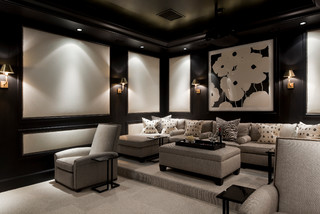
Top Living Room TV Cabinet Ideas for Style and Storage
-

- Published Updated
- 1,468 views
Introduction
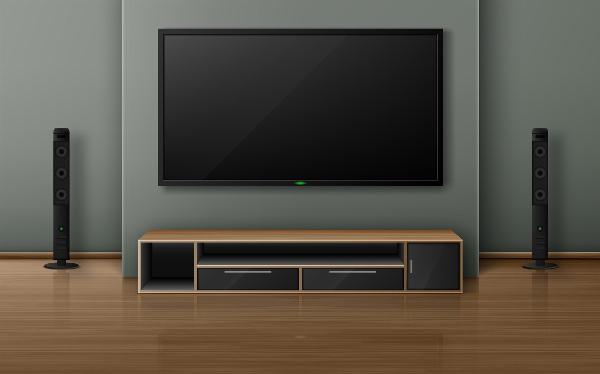
Choosing among living room TV cabinet design ideas affects both function and the look of a space. A well-planned TV cabinet or media console balances equipment storage, cable management, ventilation for electronics, and aesthetics—whether the goal is a minimalist setup, a built-in feature wall, or a mid-century modern focal point.
- Popular cabinet types include floating consoles, built-ins, open shelving, and closed storage credenzas.
- Consider cabinet height, depth, ventilation, and cable management for AV equipment.
- Materials, finish, and scale should match room proportions and décor style.
- Follow safety guidance for mounting and securing TVs and furniture.
living room TV cabinet design ideas
Floating media consoles
Floating cabinets attach to the wall and free floor space, creating a light, modern look. They simplify cleaning below the cabinet and conceal cables behind the unit. Ensure studs or appropriate anchors are used and that the cabinet depth supports media components and power strips.
Built-in cabinetry and wall units
Custom built-ins integrate the TV with shelving, closed storage, and room lighting for a cohesive appearance. Built-ins are ideal for tailored dimensions and hidden wiring runs. Work with an architect or a licensed contractor to confirm structural and electrical considerations.
Open shelving and media towers
Open shelving highlights decorative items and makes devices easily accessible. Combine open shelves with a lower closed cabinet to keep remotes, games, and cables out of sight while maintaining visual interest.
Low-profile credenzas and console tables
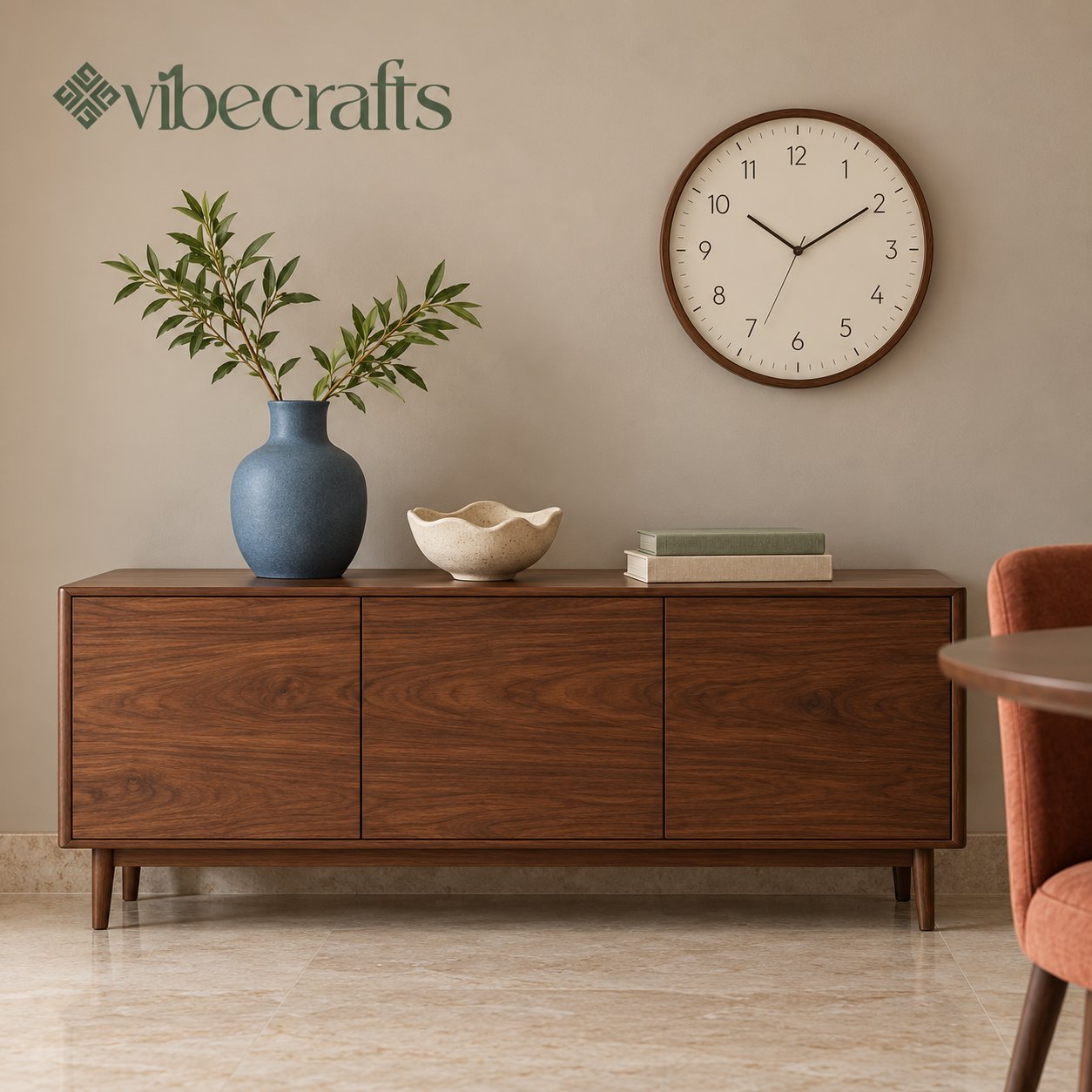
Low credenzas provide a classic silhouette that suits many living rooms. Choose a width that complements TV size and leave space on either side to avoid a cramped appearance. Drawers and sliding doors help with concealed storage.
Mid-century modern and Scandinavian styles
Clean lines, tapered legs, and natural wood tones are hallmarks of mid-century and Scandinavian designs. These styles pair well with neutral palettes and simple décor for a timeless look.
Concealed and multi-purpose units
Cabinets with sliding or folding doors allow the TV to be hidden when not in use, transforming the area into a display or workspace. Multi-purpose furniture can combine media storage with a fireplace surround or shelving for books.
Corner units and small-space solutions
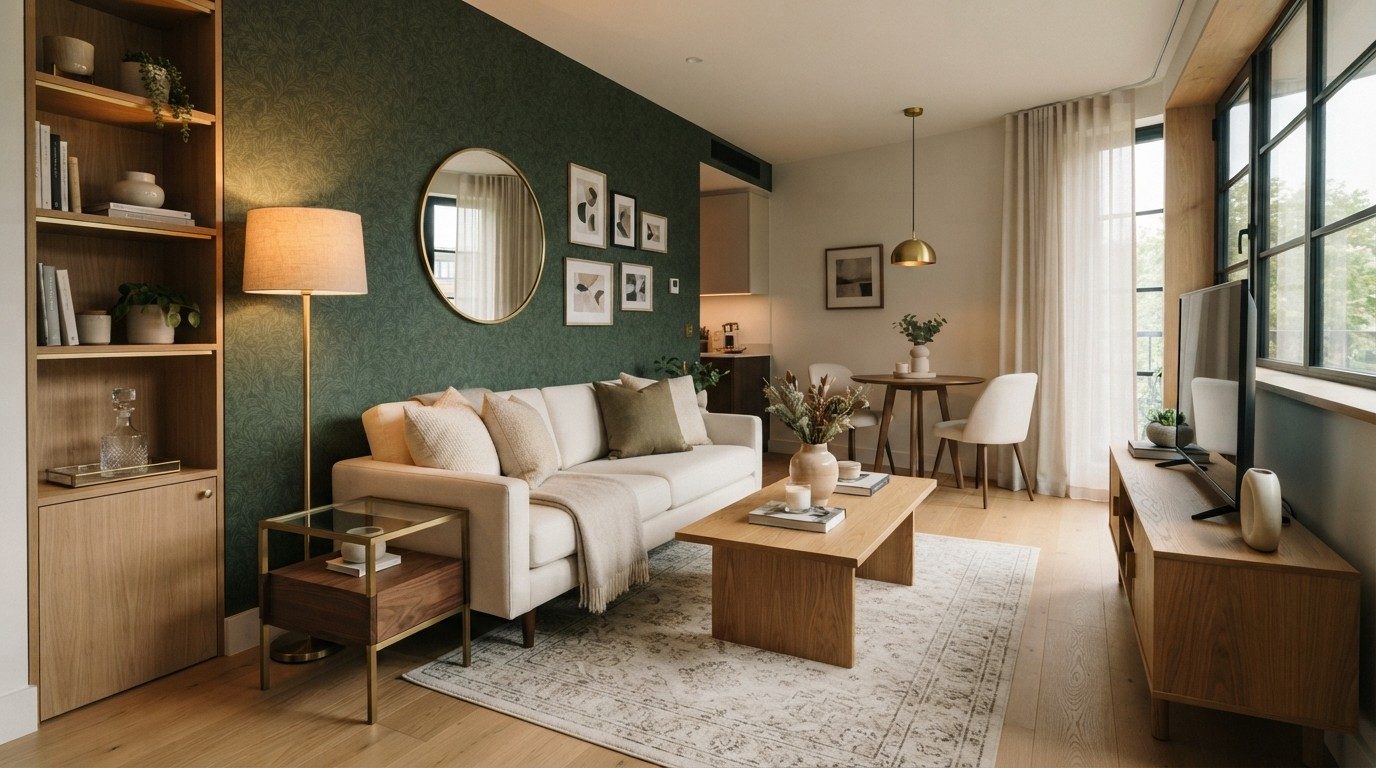
Corner TV cabinets make efficient use of awkward spaces. Wall mounting the TV above a compact console can maximize floor area in small apartments or secondary living rooms.
Materials, finishes, and durability
Common materials
Options include solid wood, plywood, MDF with veneer, metal, and glass. Solid wood offers longevity and repairability; laminated or veneered panels can provide consistent finishes at lower cost.
Finish and surface care
Matte and satin finishes tend to show fewer fingerprints, while high-gloss surfaces reflect light and require more upkeep. Select finishes based on lifestyle and cleaning preferences.
Size, placement, and ergonomics
TV height and viewing distance
Position the center of the screen approximately at seated eye level for comfortable viewing. Leave adequate space above the cabinet for ventilation and soundbar placement. Consider room layout and seating distance when choosing cabinet width and depth.
Ventilation and equipment access
Ensure enclosed cabinets have ventilation openings or removable panels so AV equipment does not overheat. Pull-out shelves or rear-access panels simplify connections and maintenance.
Cable management, power, and installation
Cable routing and power supply
Integrated cable channels, recessed power outlets, and cable clips keep cords organized. For wall-mounted TVs, consider in-wall cable kits installed per local electrical codes.
Safety and tip-over prevention
Securing both TV and furniture reduces risk of tip-over incidents. Follow guidance from consumer safety organizations regarding anchoring TVs and furniture to walls. For authoritative safety information, review resources from the U.S. Consumer Product Safety Commission: U.S. Consumer Product Safety Commission.
Styling tips and accessories
Balance and scale
Balance large TVs with low, horizontal cabinets or built-ins that visually anchor the screen. Use symmetrical shelving or matched décor to create cohesion.
Lighting and acoustics
Incorporate backlighting, recessed shelves, or LED strips to reduce eye strain and highlight features. Use soft furnishings, rugs, and textiles to improve room acoustics when the cabinet area is reflective.
Budgeting and purchasing considerations
Custom vs. ready-made
Ready-made media consoles offer lower cost and immediate availability. Custom cabinetry provides exact fit and finish but requires more time and budget. Obtain multiple quotes and confirm warranties and return policies.
Maintenance and lifespan
Consider repairability and finish resilience when selecting materials. Solid wood and quality hardware extend usable life; easily replaceable inserts and modular components can be cost-effective over time.
Frequently asked questions
What are the best living room TV cabinet design ideas for small spaces?
Small spaces benefit from wall-mounted TVs paired with narrow or floating consoles, corner units, and multi-purpose furniture. Choose pieces with built-in storage and consider vertical shelving to use wall space efficiently.
How high should a TV cabinet be placed?
Aim to place the center of the screen near eye level when seated. Typical cabinet heights range from 18 to 30 inches, depending on sofa height and viewing distance. Adjust for soundbar placement and ventilation needs.
How to ensure safe installation and cable management?
Use appropriate mounting hardware, anchor furniture to studs or wall anchors, and route cables through designated channels or in-wall kits following local codes. Consult licensed professionals for structural or electrical modifications.