The Silent Language of Space: A Deep Dive into Modern Interior Design
-

- April 23rd, 2026
- 7,716 views
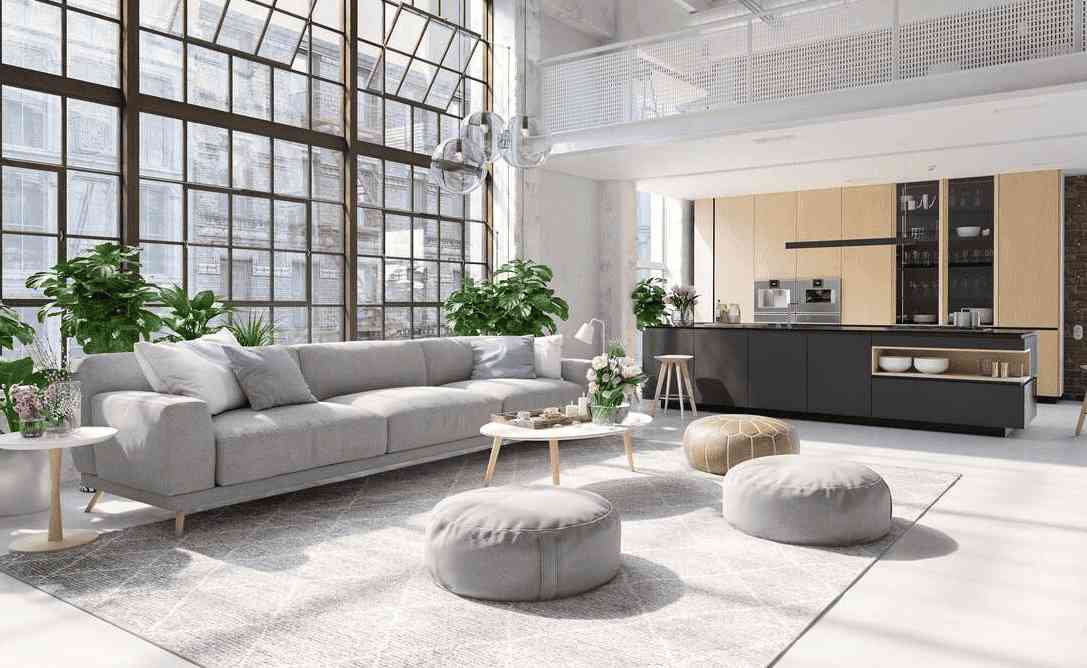
We often speak about "home" as if it were a static concept—four walls and a roof. But anyone who has ever walked into a room and felt an immediate sense of relief, or conversely, a prickle of claustrophobia, knows that our environment is a living, breathing entity. Interior design is the silent language through which our surroundings speak to our subconscious. It is the art and science of enhancing the interior of a building to achieve a healthier and more aesthetically pleasing environment for the people using the space.
In 2026, the industry has moved far beyond the "Pinterest-perfect" showroom look. We are entering an era of intentional living, where design serves as a tool for mental wellness, productivity, and environmental stewardship. If you are looking to transform your space, you aren't just picking furniture; you are curating an experience.
1. The Psychology of the Floor Plan: Neuro-architecture
Recent studies in neuro-architecture have proven what designers have suspected for decades: our physical environment directly alters our brain chemistry. High ceilings, for instance, have been shown to stimulate abstract thinking and creativity, while lower ceilings are more conducive to detail-oriented, focused work.
When designing a home, the first step is spatial empathy. This means looking at a floor plan not just as a puzzle of where the sofa fits, but as a map of human movement.
The Power of Flow: A well-designed room allows the eye and the body to move effortlessly. If you have to navigate a "slalom course" of furniture to reach a window, the space will eventually feel frustrating.
Zoning for Sanity: Especially in an age of hybrid work, "zoning" is the savior of the modern home. Using rugs, open shelving, or even different paint finishes to separate the "work brain" from the "rest brain" is essential for preventing burnout.
2. Biophilia: Bringing the Outside In
We are biologically wired to be in nature, yet we spend nearly 90% of our lives indoors. Biophilic design is the intentional integration of natural elements into our built environment to bridge this gap. This is more than just placing a pothos on a shelf.
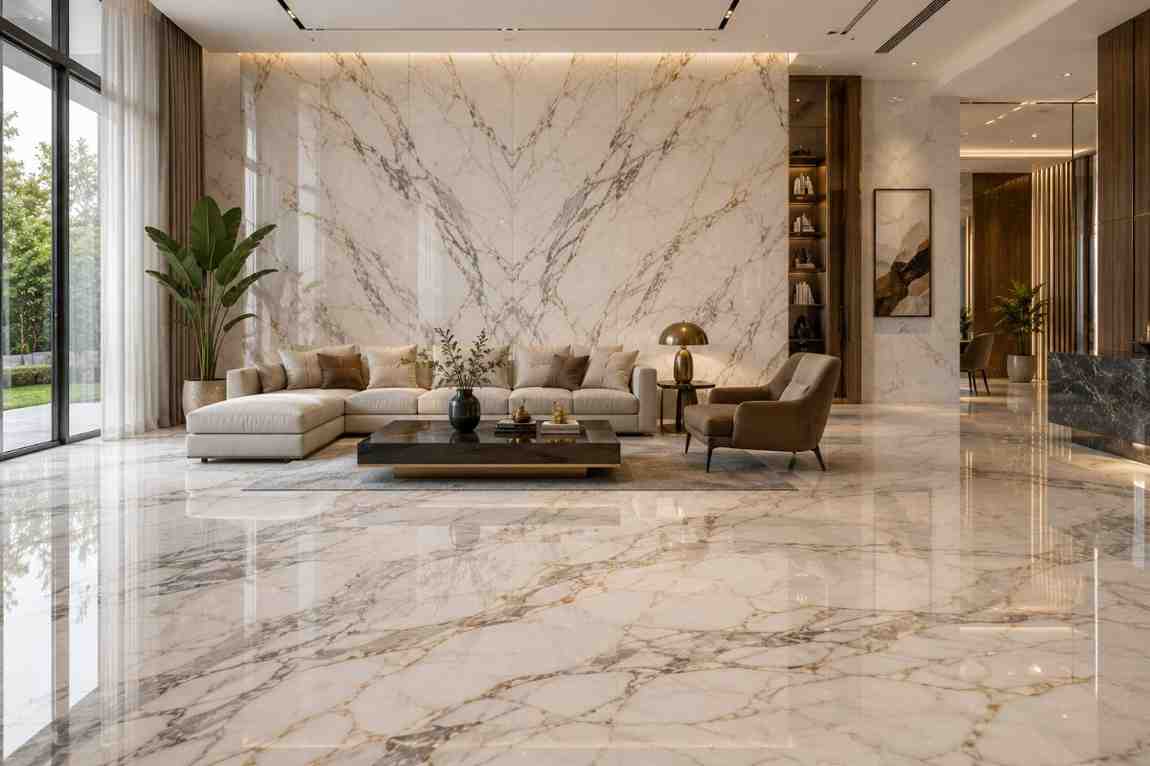
Natural Fractals: Using materials with organic patterns—wood grain, stone veining, or woven fibers—mimics the complexity found in nature, which has a measurable effect on lowering heart rates and blood pressure.
Circadian Lighting: Modern design now prioritizes lighting that mimics the sun’s natural cycle. By using "warm" 2700K lights in the evening and "cool" 5000K lights in the morning, we can help regulate our internal clocks, leading to better sleep and improved mood.
3. The "Invisible Architect": Lighting and Acoustics
If furniture is the body of a room, lighting is its soul. Most people make the mistake of relying on the "Big Light"—the solitary, harsh overhead fixture. Expert designers utilize the rule of three:
Ambient Lighting: The general illumination (often recessed or soft overheads).
Task Lighting: Functional light for reading, cooking, or grooming.
Accent Lighting: The "drama" light that highlights art, plants, or architectural features.
Equally important, though often ignored, is acoustics. A room that echoes feels cold and sterile. Incorporating soft surfaces—heavy drapes, upholstered headboards, or acoustic wall panels—absorbs the "visual and audible noise" of life, making a home feel grounded and intimate.
4. Sustainability: The Shift Toward Curated Longevity
The era of "fast furniture"—disposable pieces made of particle board and plastic—is rapidly coming to an end. In its place is a movement toward conscious consumption.
Sustainable interior design is built on three pillars: Longevity, Provenance, and Adaptability. Instead of buying a trendy set that will be out of style in two years, designers are encouraging clients to invest in "hero pieces"—high-quality, handcrafted items made from reclaimed wood, stone, or recycled metals. These pieces don't just last longer; they develop a "patina" of age that adds character and story to a home.
5. Color Theory: Designing Your Emotional State
Color is the most cost-effective tool in the design kit, yet it is often the one people are most afraid to use. Understanding color psychology is the key to mastering a room's "vibe."
The Warmth of Connection: Terracotta, ochre, and deep burgundies are social colors. They stimulate appetite and conversation, making them perfect for kitchens and dining rooms.
The Cool of Solitude: Soft sages, dusty blues, and muted lavenders are "recessive" colors. They make walls feel further away, making small rooms feel larger and more serene.
The Rule of 60-30-10: To achieve balance, use a dominant color for 60% of the space (walls/rugs), a secondary color for 30% (upholstery), and a bold accent color for the final 10% (cushions/art).
6. The Narrative: Personalization over Perfection
The greatest danger in interior design is creating a home that looks like no one lives there. A "showroom" home is impressive, but it is rarely comfortable. The most successful interiors are those that tell the story of the inhabitant.
This is achieved through the "high-low" mix: pairing a high-end designer table with a vintage find from a flea market, or displaying a gallery wall that mixes professional photography with your children’s sketches. It’s the imperfections—the "wabi-sabi"—that make a space feel human.
Conclusion: Your Home as a Work in Progress
Interior design is not a destination; it is an ongoing dialogue. As you grow, change careers, or expand your family, your home should adapt to meet those new needs. It is the one place in the world where you have total agency over your reality.
By focusing on functionality, respecting the psychology of color and light, and choosing quality over quantity, you aren't just decorating—you are building a sanctuary that will support you for years to come. Design is, ultimately, the ultimate act of self-care.