Local SEO Strategies to Boost Community Visibility and Customer Traffic
-

- Published Updated
- 1,477 views

Local SEO helps small and multi-location businesses appear in local search results, connect with nearby customers, and increase foot traffic or local leads. Optimizing for local search combines on-page elements, business listings, reviews, and local signals so search engines can surface the most relevant local options to users.
- Ensure consistent NAP (name, address, phone) across the web.
- Claim and verify business listings and add accurate categories.
- Collect and respond to customer reviews, and use structured data where appropriate.
- Measure traffic, search impressions, and conversions to maintain performance.
Local SEO: Key Concepts
Local search emphasizes relevance, proximity and prominence. Relevance refers to how well a business matches the searcher's intent (services, categories, products). Proximity relates to the physical distance between the searcher and the business. Prominence covers reputation signals such as reviews, links, citations and offline visibility.
Name, address, phone (NAP) consistency
Consistent NAP information across a website, local directories and citations reduces confusion for both users and search engines. Small variations (abbreviations, suite numbers) can fragment signals; use an exact, authoritative format and update it everywhere when changes occur.
Business listings and the map pack
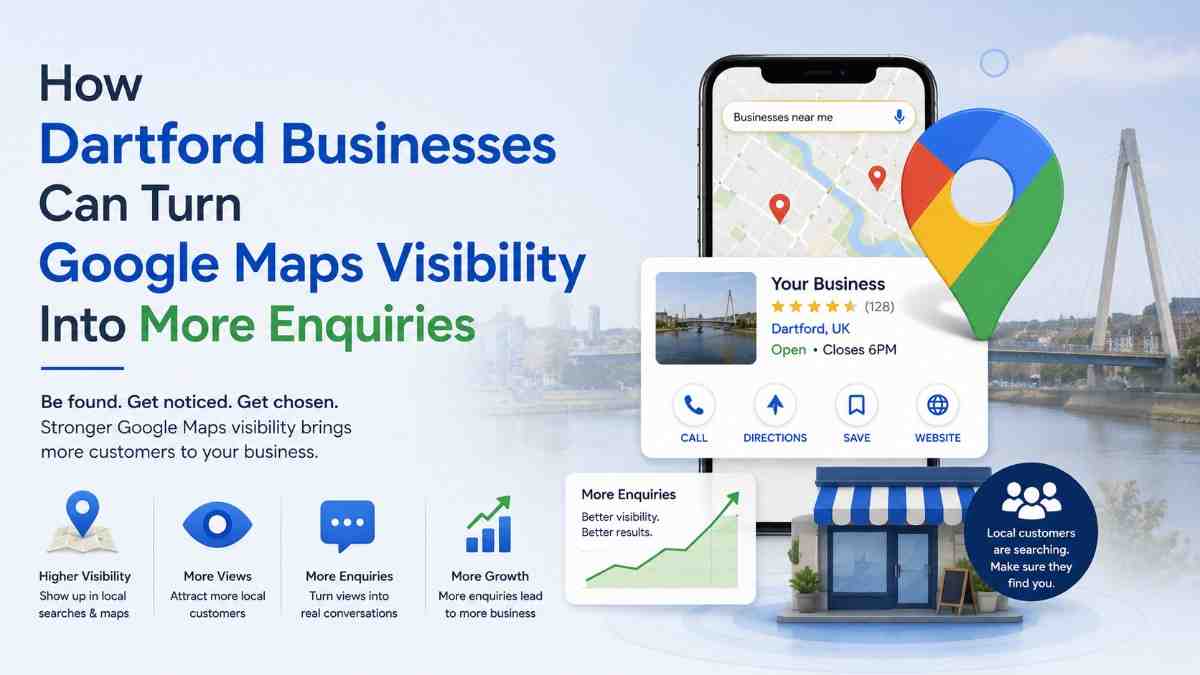
Verified business listings appear in map results and local packs that often dominate mobile and desktop local queries. Complete profiles that include hours, services, categories and images increase the chance of being displayed and clicked.
Structured data and schema
Structured data (schema.org markup) helps search engines interpret business details like address, opening hours and service area. For official guidance on implementing local business structured data, consult Google's documentation: Google's structured data documentation.
Reviews, reputation and trust signals
Customer reviews affect click-through rates and rankings for local queries. Encourage reviews through clear post-sale processes, and respond professionally to feedback. Be aware of rules on endorsements and disclosures from regulators such as the U.S. Federal Trade Commission (FTC).
Practical Steps to Improve Local Visibility
1. Claim and verify listings
Claim the main local business listing offered by major search and map providers and verify the listing. Use accurate categories, service descriptions, photos and updated business hours. Where applicable, set a service area and indicate appointment-only options.
2. Optimize on-page elements
Include the city or neighborhood naturally in title tags, meta descriptions, header tags and page content for location-specific service pages. Add locally relevant content such as neighborhood guides, case studies, and pages for each physical location to match search intent.
3. Use local schema and technical best practices
Implement local business schema for each location and ensure the website is mobile-friendly, fast, and secure (HTTPS). A clear site structure and XML sitemap support indexing of location pages and services.
4. Build local citations and directory listings
List the business on reputable local directories and industry-specific sites to strengthen relevance. Prioritize local chambers of commerce, trade associations, and recognized directories to improve authority.
5. Generate and manage reviews
Solicit reviews from customers through email follow-ups or receipts, and address negative feedback promptly. Maintain compliance with review platform policies and disclosure regulations.
6. Local content and link building
Create content that appeals to local audiences—events, local partnerships, community involvement—and seek links from local organizations, news outlets and educational institutions to enhance prominence.
7. Monitor mobile and voice search behavior
Optimize for short, conversational queries common in voice search and mobile devices. Fast loading times and clear contact options support conversions from these channels.
Measuring and Maintaining Local Performance
Key metrics to track
Measure impressions and clicks for local listings, organic local traffic, calls or direction requests, appointment bookings, and conversion rates. Tools such as analytics platforms and search console data provide visibility into query performance and user behavior.
Ongoing maintenance
Regularly audit citations for accuracy, refresh images and descriptions, and keep hours and services current. Review trends in customer searches and adjust content to match evolving local intent. Coordinate updates across corporate listings when multiple locations exist.
Legal and ethical considerations
Follow local advertising and consumer protection guidelines when soliciting reviews or making claims about services. Regulators such as the FTC in the United States provide guidance on endorsements, disclosures and truthful advertising; compliance supports long-term trust and avoids penalties.
FAQ
What is Local SEO and why is it important?
Local SEO is the practice of optimizing a business's online presence to appear in location-based search results and map listings. It is important because many consumers search for nearby businesses and services, and strong local visibility increases the likelihood of foot traffic, calls and conversions.
How long does it take to see results from local optimization?
Timing varies by industry, competition and the current state of listings. Some improvements, like updated business hours or new photos, can impact visibility within days, while reputation-building and link signals may take weeks or months to influence rankings.
Can a business with no storefront rank locally?
Yes. Service-area businesses can rank in local searches by specifying service areas, using consistent contact information, and optimizing content for the regions served. Clear descriptions of service locations and customer testimonials help demonstrate local relevance.
How should reviews be managed to help local visibility?
Encourage honest customer feedback, respond promptly and professionally to reviews, and address valid complaints. Avoid incentivized or fake reviews; follow platform rules and disclosure guidelines from consumer protection authorities.