What Is a Machine Learning Development Company and What Does It Do?
-

- Published Updated
- 1,732 views
Machine learning has become an important technology for businesses looking to automate operations, analyze large datasets, improve customer experiences, and make data-driven decisions. From personalized recommendations and predictive analytics to fraud detection and intelligent automation, machine learning can help organizations solve complex business problems more efficiently. But what exactly does a machine learning development company do, and how can businesses benefit from its expertise?
A machine learning development company designs and builds software solutions that use algorithms and data to identify patterns, generate predictions, automate decisions, and continuously improve performance. By combining machine learning with software engineering, artificial intelligence, cloud technologies, and data analytics, businesses can develop intelligent applications tailored to their specific requirements.
What Is a Machine Learning Development Company?
A machine learning development company specializes in creating applications, models, and systems powered by machine learning technologies. Instead of relying only on predefined rules, machine learning applications can process data, recognize patterns, and generate predictions based on previously learned information.
The development process can involve data preparation, model selection, algorithm development, training, testing, deployment, and ongoing optimization. Depending on the project, developers may work with supervised learning, unsupervised learning, deep learning, natural language processing, computer vision, or recommendation algorithms.
For businesses, the goal is not simply to implement an algorithm. The objective is to create a practical solution that addresses a measurable business challenge.
What Does a Machine Learning Development Company Do?
A professional machine learning development company can support businesses throughout the complete development lifecycle. Key services may include:
1. Machine Learning Model Development
Developers create customized machine learning models based on business requirements and available datasets. These models can support classification, regression, clustering, forecasting, recommendation, and anomaly detection use cases.
For example, an online retailer could use a machine learning model to predict customer purchasing behavior and recommend products based on previous interactions.
2. Data Preparation and Engineering
Data quality directly affects machine learning performance. Development teams can help businesses collect, clean, transform, organize, and prepare datasets for model training.
Data engineering can include removing duplicate records, handling missing values, identifying relevant features, and creating structured datasets that can be used effectively by machine learning algorithms.
3. Predictive Analytics
Predictive analytics uses historical and real-time data to estimate future outcomes. Businesses can use predictive models for sales forecasting, customer churn prediction, demand planning, risk analysis, inventory management, and operational planning.
This allows organizations to move beyond simply analyzing what happened and start identifying what may happen next.
4. Natural Language Processing
Natural language processing, or NLP, allows software to work with human language. NLP solutions can be used for sentiment analysis, intelligent search, document processing, text classification, chatbots, and automated customer support.
Businesses handling large volumes of text-based information can use NLP to automate tasks that would otherwise require significant manual effort.
5. Computer Vision
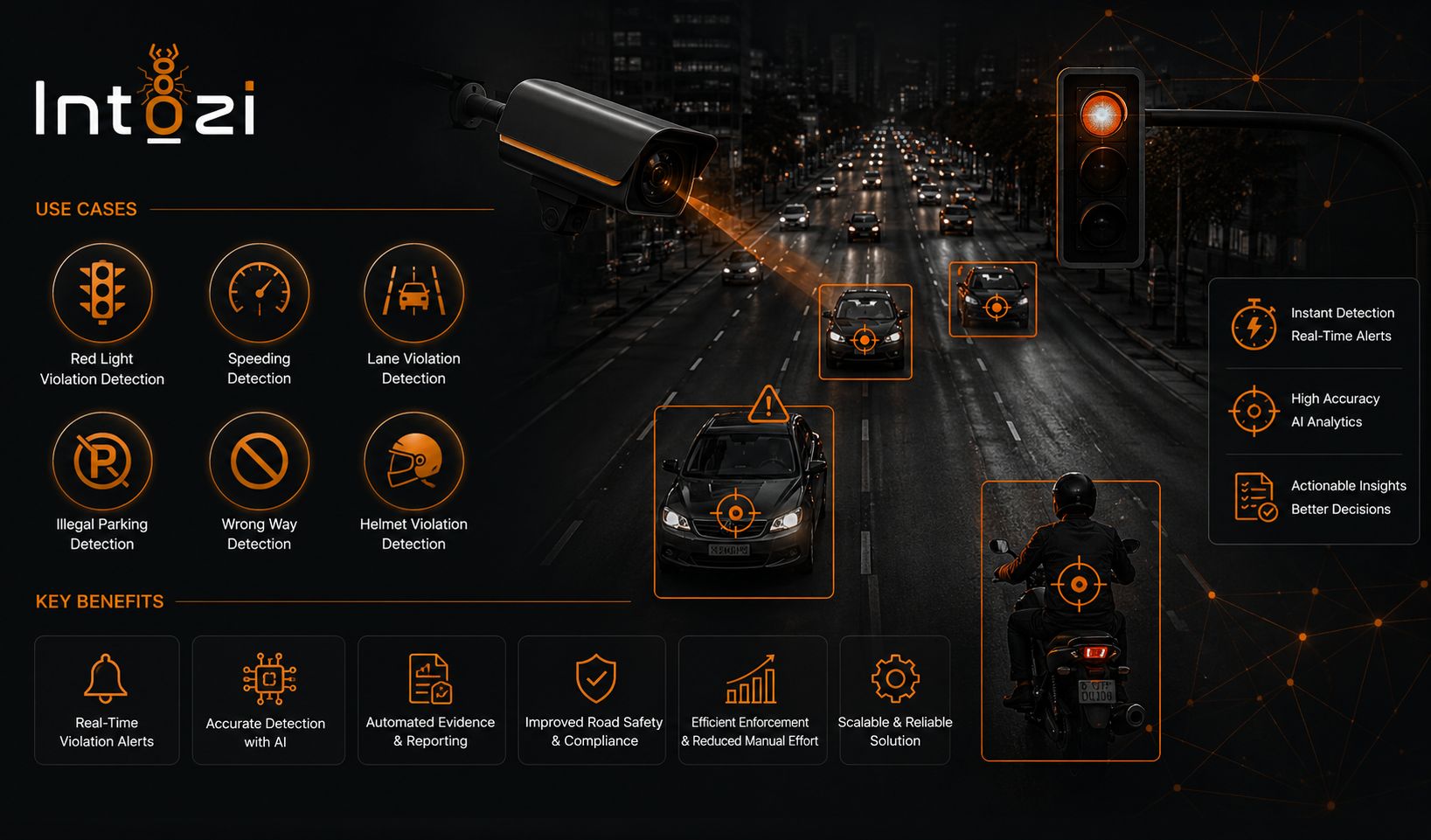
Computer vision enables applications to interpret images and videos. Machine learning development teams can build solutions for object detection, image classification, quality inspection, document analysis, facial recognition, and visual monitoring.
Manufacturing companies, healthcare organizations, retailers, and logistics businesses can apply computer vision to a variety of operational processes.
Benefits of Machine Learning Development Services
Working with an experienced machine learning development company can provide several advantages.
Automation: Machine learning can automate repetitive tasks and reduce manual intervention.
Better decision-making: Businesses can use data-driven predictions to support strategic and operational decisions.
Personalization: Machine learning can analyze customer behavior and provide personalized recommendations and experiences.
Improved efficiency: Intelligent systems can identify process inefficiencies and help optimize workflows.
Fraud and anomaly detection: Machine learning models can identify unusual patterns that may indicate fraud, errors, or operational problems.
Scalability: Properly designed machine learning solutions can process large amounts of data as a business grows.
Machine Learning Development Process
A successful custom machine learning development project generally follows a structured process.
The first step is identifying the business problem and defining the desired outcome. Next, developers assess available data and determine whether it is suitable for machine learning.
After data preparation, appropriate algorithms and model architectures are selected. Models are then trained and evaluated using relevant performance metrics. Once the model reaches the required level of performance, it can be integrated into an application, API, enterprise platform, or cloud environment.
After deployment, continuous monitoring is important. New data can change model behavior, so models may need retraining, optimization, or further validation over time.
Industries That Use Machine Learning
Machine learning is being applied across numerous industries and business functions.
Healthcare: Predictive analytics, medical image analysis, patient monitoring, and operational automation.
Finance: Fraud detection, risk assessment, credit scoring, and financial forecasting.
Retail: Recommendation engines, customer segmentation, demand forecasting, and inventory optimization.
Manufacturing: Predictive maintenance, quality inspection, anomaly detection, and production optimization.
Logistics: Route optimization, demand forecasting, fleet management, and delivery prediction.
SaaS and Enterprise: Intelligent automation, customer analytics, predictive insights, and AI-powered business applications.
These applications demonstrate how machine learning solutions for businesses can support both operational improvements and new digital product opportunities.
Why Choose Promatics Technologies for Machine Learning Development?
Promatics Technologies helps businesses build intelligent digital products by combining AI development, machine learning, software engineering, cloud technologies, and application development expertise.
Businesses can explore machine learning development services for predictive analytics, intelligent automation, AI-powered applications, recommendation systems, NLP, computer vision, and customized machine learning models.
The focus should always be on connecting technology with business objectives. A well-designed machine learning solution can help organizations improve efficiency, extract greater value from their data, and create more intelligent digital experiences.
How to Get Started With Machine Learning Development
Before starting a machine learning project, businesses should clearly define the problem they want to solve, identify available data, determine expected outcomes, and establish measurable performance indicators.
Partnering with the right AI and machine learning development company can simplify this process. An experienced development team can assess the use case, recommend an appropriate technology approach, develop and test the solution, and integrate it with existing business systems.
Whether you need predictive analytics, recommendation systems, NLP, computer vision, or intelligent automation, machine learning can become a valuable component of your digital transformation strategy.