Macrophage Markers Predicting Progression in Non-Alcoholic Fatty Liver Disease
-
- Published Updated
- 1,450 views
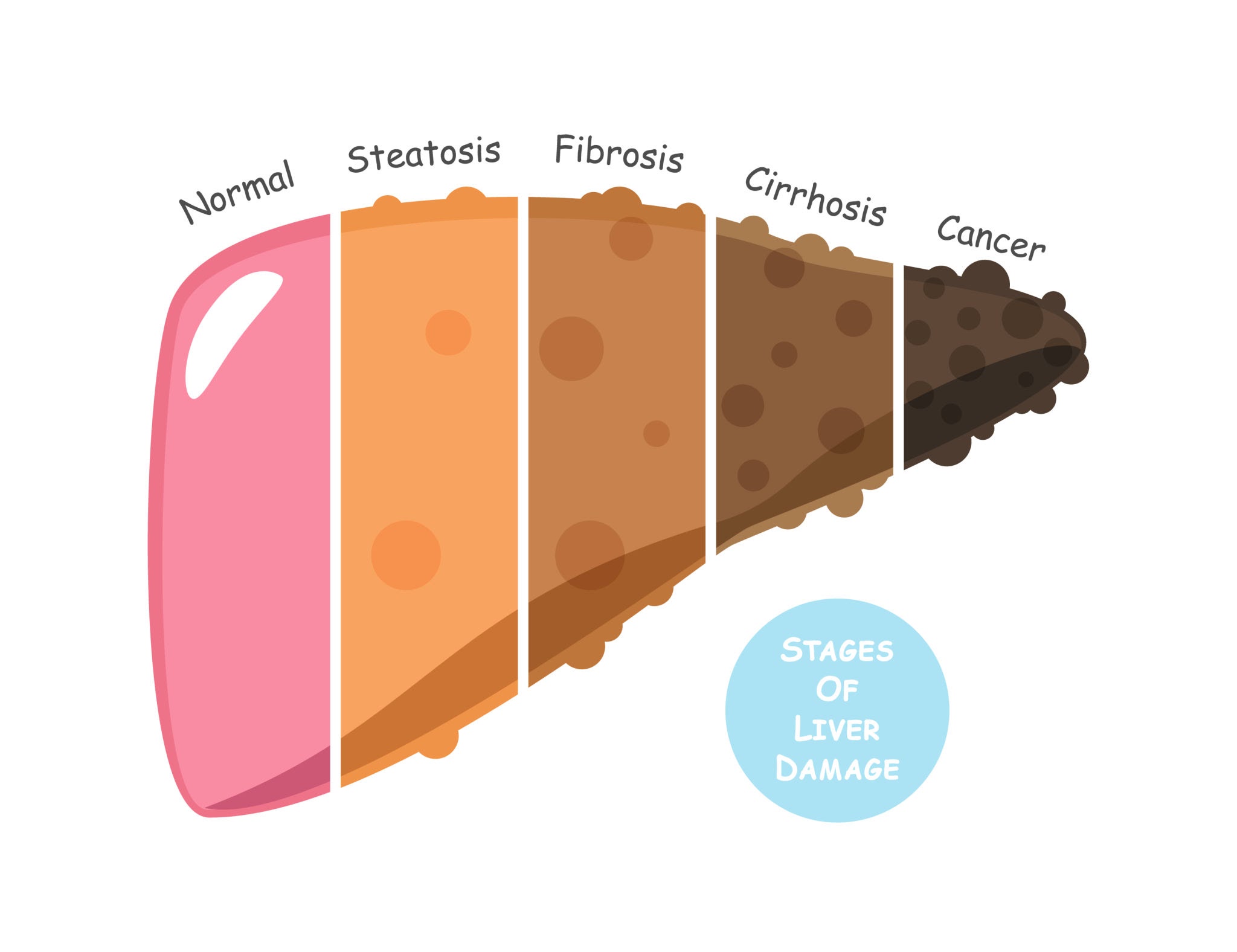
Macrophages as biomarkers of non-alcoholic fatty liver disease progression have emerged as a promising area of research in hepatology. This article summarizes current evidence on macrophage-derived signals, tissue phenotypes and circulating markers that may indicate inflammation, fibrosis risk, and transition from simple steatosis to non-alcoholic steatohepatitis (NASH).
- Macrophages include resident Kupffer cells and monocyte-derived macrophages with distinct roles in NAFLD.
- Common candidate biomarkers include tissue markers (CD68, CD163), soluble receptors (sCD163, sMR), and cytokine/chemokine patterns (TNF-α, CCL2/CCR2 signaling).
- Noninvasive tests may combine macrophage markers with imaging or fibrosis scores to improve risk stratification.
- Clinical use requires standardized assays, validation in diverse cohorts, and alignment with guidelines from liver societies.
Macrophages as biomarkers of non-alcoholic fatty liver disease progression: overview
Mouse models and human studies point to macrophage activation as central to the pathophysiology of NAFLD. Resident hepatic macrophages (Kupffer cells) and recruited monocyte-derived macrophages respond to lipid overload and cell injury by producing proinflammatory cytokines, profibrotic mediators and extracellular matrix–remodeling enzymes. Patterns of macrophage activation, antigen expression and soluble mediator release are therefore under investigation as biomarkers of disease stage and progression.
Biology of hepatic macrophages relevant to biomarker development
Cell types and functional states
Hepatic macrophages include Kupffer cells, which maintain homeostasis, and monocyte-derived macrophages recruited during injury. Phenotypes span a spectrum from proinflammatory (often described as M1-like) to reparative or profibrotic (M2-like), though simplified labels are limited. Single-cell RNA sequencing (scRNA-seq) studies reveal multiple macrophage subpopulations with distinct transcriptional signatures linked to fibrosis and inflammation.
Key molecular signals
Important pathways include toll-like receptor (TLR) signaling, chemokine ligand/receptor axes such as CCL2–CCR2, and secretion of soluble macrophage markers like soluble CD163 (sCD163) and soluble mannose receptor (sMR). These mediators can be detected in plasma and correlate with histologic activity and fibrosis in several cohorts.
Types of macrophage-derived biomarkers
Tissue markers assessed in biopsy
Immunohistochemistry of liver tissue commonly uses markers such as CD68 (pan-macrophage), CD163 (scavenger receptor associated with activation), and CD206. Spatial distribution and density of macrophages at the lobular interface or in fibrotic septa have been associated with higher disease activity and progression risk.
Circulating protein markers
Detectable blood markers include sCD163, sMR and cytokines or chemokines linked to macrophage activation. Several observational studies report higher sCD163 levels in individuals with NASH or advanced fibrosis compared with simple steatosis. Combining soluble macrophage markers with noninvasive fibrosis scores (for example, FIB-4 or transient elastography results) has been proposed to improve diagnostic accuracy.
Cellular and molecular assays
Flow cytometry of peripheral blood monocytes, transcriptomic profiling, and extracellular vesicle analysis are research tools that can capture macrophage-related signals. Single-cell and spatial transcriptomics applied to liver tissue help define macrophage subsets that correlate with fibrogenesis.
Clinical and research applications
Risk stratification and monitoring
Macrophage biomarkers could aid in identifying patients at higher risk of progression to NASH or advanced fibrosis, guiding surveillance intensity. In research settings, changes in macrophage markers may function as pharmacodynamic indicators in trials of anti-inflammatory or antifibrotic therapies.
Limitations and validation needs
Key challenges include assay standardization, population heterogeneity, coexisting liver disease etiologies, and distinguishing injury-specific signals from comorbid inflammatory conditions. Large prospective cohorts and standardized endpoints are required to confirm clinical utility. Clinical practice guidelines from liver societies such as the American Association for the Study of Liver Diseases (AASLD) and the European Association for the Study of the Liver (EASL) emphasize validation before routine adoption.
Emerging technologies and future directions
Multiplex and spatial approaches
Spatial proteomics, multiplex immunofluorescence and scRNA-seq enable mapping of macrophage niches associated with fibrotic trajectories. Integration of these data with imaging modalities (elastography, MRI-based fat and fibro-inflammation measures) may yield composite biomarkers with improved predictive power.
Regulatory and implementation considerations
Regulatory endorsement for clinical use requires reproducible assay performance and demonstration of impact on patient management. Collaboration between clinical researchers, diagnostic developers and guideline bodies will be important for translation.
For patient-focused information on NAFLD and official guidance, see the National Institute of Diabetes and Digestive and Kidney Diseases (NIDDK) resource on NAFLD and NASH: NIDDK — NAFLD and NASH.
Practical summary for clinicians and scientists
Macrophage-related biomarkers show promise for refining risk assessment in NAFLD. Tissue markers like CD163 and circulating measures such as sCD163 correlate with inflammation and fibrosis in multiple studies. However, robust clinical implementation requires standardized assays, prospective validation, and integration with imaging and clinical scores.
What are macrophages as biomarkers of non-alcoholic fatty liver disease progression?
This question refers to macrophage-derived signals, cell-surface markers and soluble mediators that can be measured in tissue or blood and used to indicate disease activity, inflammation or fibrotic progression in NAFLD.
How are macrophage biomarkers measured?
Measurements include immunohistochemistry for tissue markers, enzyme-linked immunosorbent assays (ELISAs) for soluble receptors in plasma, flow cytometry for cellular phenotypes, and genomic or proteomic assays for transcriptional states.
Are macrophage biomarkers ready for routine clinical use?
Not yet widely ready. While evidence is growing, clinical adoption awaits standardized testing, external validation in diverse populations, and clear demonstration that biomarker use improves outcomes or decision-making.
What research is needed next?
Prospective cohort studies, assay harmonization, integration with noninvasive imaging, and interventional trials that use macrophage markers as endpoints are high priorities to establish clinical value.
Where can reliable guidance be found?
Professional society guidelines from organizations such as the AASLD and EASL, along with regulatory updates, provide vetted recommendations as evidence evolves. Official patient and clinician resources are available from national health research institutes and liver foundations.