Complete Mahabaleshwar Travel Guide: Sights, Seasons, and Practical Tips
-

- Published Updated
- 1,569 views
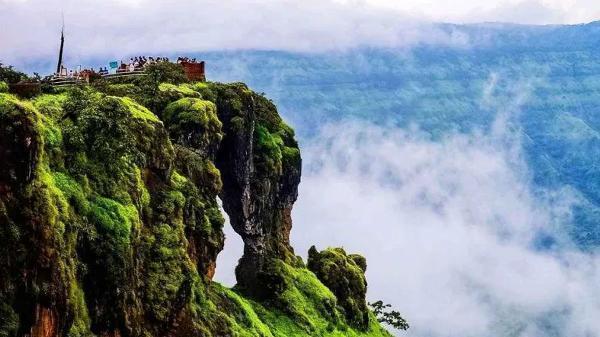
Mahabaleshwar travel guide: Mahabaleshwar is a hill station in the Western Ghats (Sahyadri) of Maharashtra known for scenic viewpoints, strawberry farms, and cool climate. This Mahabaleshwar travel guide covers when to visit, how to reach the hill station, top attractions, practical advice on accommodation and food, and safety and sustainability considerations.
- Location: Western Ghats, Satara district, Maharashtra; elevation around 1,353 meters (approximately 4,439 ft)
- Best time to visit: October to May for clear views; monsoon is dramatic but heavy rain can limit travel
- Top sights: Venna Lake, Arthur’s Seat, Kate’s Point, Pratapgad Fort, Lingmala Falls
- Nearest major cities: Pune (~120 km) and Satara (~60 km)
- Official information and tourism updates: Maharashtra Tourism Development Corporation
Mahabaleshwar travel guide: Overview and how to get there
Where Mahabaleshwar is and why it matters
Mahabaleshwar sits in the Sahyadri range of the Western Ghats and is one of Maharashtra's most visited hill stations. The geography produces many viewpoints that offer wide vistas over valleys and the Konkan plains. The area's cooler temperatures, dense evergreen forest patches, and monsoon-fed waterfalls attract nature-focused visitors.
How to reach Mahabaleshwar
By road: Well-connected roads link Mahabaleshwar to Pune and Satara. Private cars, taxis, and state-run buses operate daily. Roads through the Ghats are winding; drive cautiously, especially during monsoon months.
By rail: The nearest major railheads are Satara and Pune. From these stations, road transport (taxi or bus) is required to reach Mahabaleshwar.
By air: Pune International Airport is the nearest airport with frequent connections to major Indian cities; ground transport connects Pune to Mahabaleshwar by road.
Top attractions and outdoor activities
Viewpoints and natural scenery
Popular viewpoints include Arthur’s Seat, Kate’s Point, Wilson Point (Sunrise Point), and Elephant’s Head Point. These vantage points provide panoramic views of the valley and are best visited early morning or late afternoon for cooler temperatures and clearer air.
Lakes, waterfalls and forts
Venna Lake is a central recreational spot offering boating; nearby Lingmala Falls is seasonal and most impressive during and shortly after the monsoon. Pratapgad Fort, a short drive away, is a historical site linked to Maratha history and is managed as part of the region's cultural heritage.
Trekking and nature walks
Short treks and guided nature walks across local trails reveal endemic flora of the Western Ghats. Some routes pass through dense forest patches and offer birdwatching opportunities. Check local conditions and hire a licensed guide when attempting longer or unfamiliar trails.
Planning practicalities: climate, accommodation, and costs
Climate and what to pack
The climate is temperate compared with the surrounding plains. October–May is generally dry and comfortable; monsoon (June–September) brings heavy rainfall, slippery roads, and cloud-covered views. Pack layers for cool evenings, rain protection in monsoon, and sturdy walking shoes for uneven terrain.
Accommodation and booking tips
Options range from small guesthouses and hill-station hotels to larger resorts. Booking in advance is recommended for peak season (December–February) and long weekends. Consider locations near main sights or central roads to reduce travel time to viewpoints.
Food and local produce
Local cuisine includes Maharashtrian dishes such as puran poli and misal, plus seasonal strawberries and other local produce sold at farms and markets. Street stalls and small restaurants serve regional flavors—seek places with steady local patronage for fresher options.
Safety, accessibility, and sustainability
Safety and health considerations
Roads in the Western Ghats can be narrow and winding. Allow extra travel time, avoid night driving on ghats when possible, and monitor weather advisories during monsoon. Follow standard health precautions: drinking bottled or treated water and being cautious with unfamiliar street food if sensitive.
Accessibility and travel with mobility needs
Some viewpoints have steps and uneven paths; accessibility varies by site. Plan in advance by contacting accommodation and local management for specific accessibility information.
Sustainable travel tips
Respect local ecosystems—avoid littering, use designated trails, and limit single-use plastics. Support certified local guides and community-run initiatives. Local authorities and conservation groups work to balance tourism with forest and watershed protection.
Official information and permits
Where to get official updates
For official tourism guidance and seasonal alerts, consult the state tourism body and local municipal notices. The Maharashtra Tourism Development Corporation provides travel resources and regional information for visitors: Maharashtra Tourism.
Historical sites and regulations
Some forts and protected areas may be managed by heritage or forest departments with rules on visiting hours and permitted activities. Check local signage and official advisories prior to visiting heritage sites like Pratapgad.
Money, connectivity and emergency services
ATMs and mobile connectivity are available in town but can be intermittent at remote viewpoints. Keep emergency contact numbers handy and note the location of the nearest health facilities if traveling from outside the region.
Suggested itineraries (1–3 days)
One-day highlights
Visit key viewpoints (Arthur’s Seat, Kate’s Point) early morning, explore Venna Lake by midday, and return to central market areas in the evening for local produce and light sightseeing.
Two- to three-day options
Use an extra day for Pratapgad Fort and a short guided trek or to visit waterfalls and lesser-known viewpoints. Longer stays allow exploration of nearby villages and slower-paced nature walks.
Best practices for photographers and nature enthusiasts
Bring lens cleaning supplies for misty conditions, a wide-angle lens for landscapes, and neutral-density filters for waterfalls. Respect wildlife and minimize disturbance when photographing flora and fauna.
Further reading and contacts
For updates on weather and regional advisories, consult official meteorological services and the state tourism portal. Heritage and conservation details can be obtained from government departments responsible for forests and archaeology.
Frequently asked questions
How to use this Mahabaleshwar travel guide to plan a trip?
Use the guide to decide the best season to visit, select must-see viewpoints, and plan transport and accommodation. Cross-check road and weather conditions close to travel dates and consult official sources for any local advisories.
What is the best time to visit Mahabaleshwar?
October to May offers clearer skies and comfortable temperatures. Monsoon months (June–September) bring dramatic scenery and waterfalls but heavy rains can affect roads and visibility.
Are there permits required to visit forts or protected areas near Mahabaleshwar?
Some heritage or forest areas may have entry rules or fees. Check with local site management or municipal notices before visiting.
Is Mahabaleshwar suitable for family travel and children?
Yes—many attractions are family-friendly, such as Venna Lake boating and easy-access viewpoints. Take care on steep paths and near viewpoints, and plan short walks for younger children.
How reliable is mobile connectivity and ATMs in Mahabaleshwar?
Connectivity and banking services are generally available in town but can be intermittent at remote viewpoints. Carry some cash and download maps for offline use if planning remote walks.