Male Laser Hair Removal in Dubai: Benefits, Safety, and What to Expect
-

- February 23rd, 2026
- 1,078 views

FREE SEO Topical Map Generator: Find Your Next Content Ideas
Male laser hair removal Dubai has become a common cosmetic service for men seeking long-term reduction of unwanted body and facial hair. Interest in this treatment has grown in recent years due to improvements in laser technology, increased availability of clinics, and greater awareness of safety and outcomes.
- Laser hair removal offers long-term hair reduction for many body areas with repeated sessions.
- Effectiveness depends on hair color, hair thickness, and skin tone; darker hair and lighter skin respond best with some older devices.
- Safety and results vary by clinic, device, and practitioner expertise; verify credentials and regulatory compliance.
- Costs depend on treated area, number of sessions, and clinic location; maintenance sessions may be required.
Male Laser Hair Removal Dubai: Advantages and Importance
Why men choose laser hair removal
Many men seek laser hair removal for practical, aesthetic, or comfort reasons. Advantages often cited include reduced shaving frequency, fewer ingrown hairs compared with repeated shaving or waxing, and smoother skin for athletic or personal grooming preferences. In hot climates such as Dubai, reduced body hair can also be a comfort factor for some individuals.
Common treatment areas
Treated areas for men commonly include the back, chest, abdomen, shoulders, neck, face (beard line), underarms, and bikini area. Choice of area influences the number of sessions and overall cost.
How laser hair removal works
Basic mechanism
Laser devices target melanin in the hair follicle with concentrated light pulses. The absorbed light converts to heat, which damages the follicle and reduces future hair growth. Because hair grows in cycles, multiple sessions spaced weeks apart are needed to treat hairs during their active growth phase.
Technology and skin types
Advances in laser and intense pulsed light (IPL) systems have improved safety for a wider range of skin tones. Some modern devices are designed to treat darker skin tones more safely by using longer wavelengths and cooling systems. Regulatory guidance and clinical literature from dermatology societies emphasize device selection and practitioner training as key to safe outcomes.
Safety, regulation, and choosing a clinic
Regulatory and professional considerations
Regulatory oversight and professional standards vary by jurisdiction. In Dubai, the Dubai Health Authority (DHA) sets standards for medical and cosmetic services; prospective patients are advised to confirm that the clinic and practitioners are licensed and follow DHA guidelines. Additional international guidance is available from dermatology organizations such as the American Academy of Dermatology and peer-reviewed journals on laser safety and efficacy.
For information on licensing and approved facilities in Dubai, consult the official Dubai Health Authority website: https://www.dha.gov.ae.
Safety practices to expect
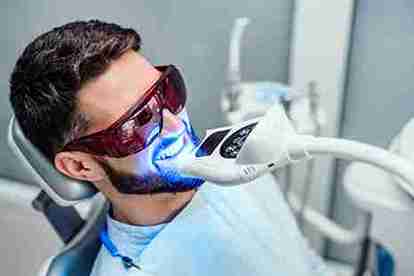
A safe clinic will perform a medical history review, skin and hair assessment, and may offer a small test patch before full treatment. Appropriate eye protection, device calibration, and cooling methods are important. Follow-up care instructions should be provided to manage temporary redness or sensitivity.
Effectiveness, sessions, and maintenance
Number of sessions and timing
Typical treatment plans range from 4 to 8 sessions or more, spaced 4–12 weeks apart depending on the area and hair growth cycle. Individual responses vary; some hair may become thinner and lighter, while a proportion may regrow over time requiring occasional maintenance sessions.
Factors affecting results
Effectiveness depends on hair color, density, and the patient’s hormonal profile. Dark, coarse hair generally responds better. Hormonal conditions such as polycystic ovary syndrome or medications that affect hair growth may influence outcomes; discussing medical history with the treating clinician is recommended.
Cost and practical considerations in Dubai
Price factors
Costs vary by clinic reputation, device type, treatment area size, and the number of sessions. Metropolitan areas like Dubai often have a range of options from medical clinics to specialized laser centers. Requesting a clear treatment plan with session estimates and any anticipated maintenance can help compare offerings.
Preparation and aftercare
Typical preparation includes avoiding sun exposure, stopping certain hair removal methods before treatment, and arriving with the treatment area clean and shaved if instructed. Aftercare commonly involves sun protection, gentle skin care, and avoidance of intense heat or friction on treated areas until skin has settled.
Conclusion
Male laser hair removal in Dubai is widely available and can offer lasting hair reduction when performed by trained practitioners using appropriate devices. Choosing a licensed clinic, understanding realistic expectations, and following recommended pre- and post-treatment guidance are key to safer and more satisfactory outcomes.
Is male laser hair removal Dubai suitable for all skin types?
Suitability depends on the device used and individual skin and hair characteristics. Newer lasers can treat a broader range of skin tones more safely, but an in-person assessment and test patch are important steps. Consult a licensed practitioner for a personalized evaluation.
How many sessions of male laser hair removal Dubai are typically needed?
Most treatment plans require multiple sessions—commonly 4–8—spaced several weeks apart. Exact numbers vary by treatment area, hair growth cycle, and individual response.
Are there common side effects after laser hair removal?
Common short-term side effects include redness, mild swelling, and temporary pigment changes. Severe complications are uncommon when treatment is performed by qualified personnel following safety protocols.
How should a clinic be verified in Dubai?
Verify licensing with the relevant health authority, request information on practitioner qualifications, and ask about the specific laser device to be used. Clinics that follow local regulatory guidance and provide clear informed-consent information are preferable.
Will laser hair removal be permanent?
Laser hair removal often produces long-term reduction in hair growth, but not all patients experience permanent removal. Some regrowth may occur, and maintenance sessions may be needed to manage remaining or returning hair.
Can hormonal conditions affect results?
Yes. Conditions and medications that affect hormones can influence hair growth and treatment outcomes. Disclosing relevant medical history during the consultation helps the clinician plan an appropriate approach.