How AI Tools Are Improving Manga and Comic Translation Workflows
-
- Published Updated
- 6,275 views

- AI tools are changing the way people work with digital content. A few years ago, most online translation workflows were built around plain text. A user could copy a sentence, paste it into a translation tool, and receive a translated result. That approach still works well for emails, documents, short messages, and articles. However, the internet is no longer made only of plain text. People now share screenshots, image posts, comics, manga pages, webtoon panels, PDF files, and visual stories every day.
This change creates a new challenge for translation technology. When text appears inside an image, the process becomes more complicated. The system needs to detect the text, understand where it appears, translate it correctly, and keep the final result readable. This is especially true for manga, manhwa, webtoons, and digital comics.
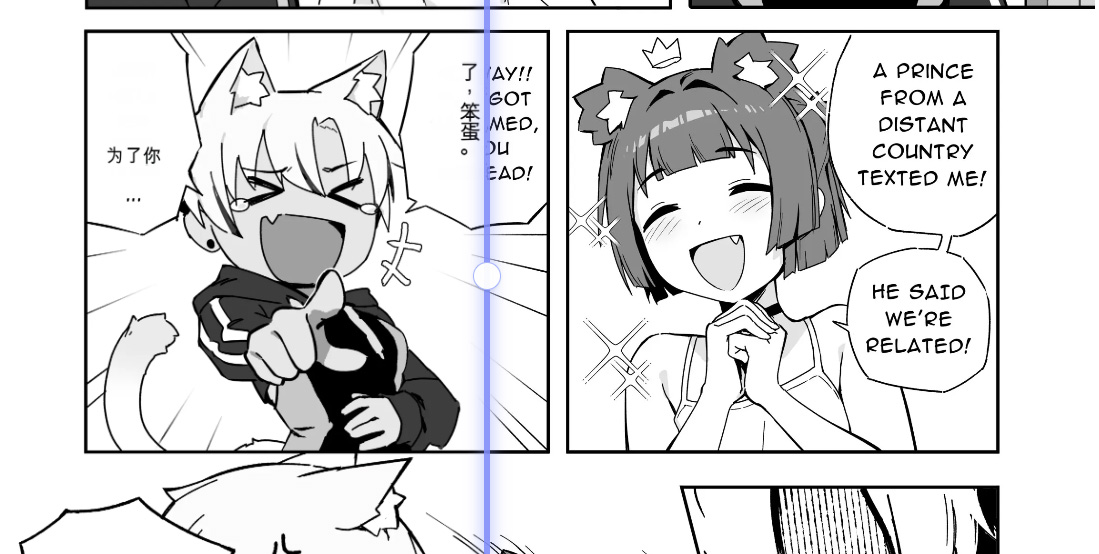
A comic page is not just a document with words. It is a visual layout. Dialogue appears inside speech bubbles. Captions may be placed in small boxes. Sound effects can be part of the artwork. Some pages use vertical text, while others use horizontal text. A translated sentence may become longer or shorter than the original. If the translation is placed without considering the page design, the result can look messy and difficult to read.
This is why manga translation needs a more specialized workflow. Tools such as AI Manga Translator are built around this type of visual content. Instead of asking users to manually type every line from a manga page, AI-assisted tools can help detect text from images, translate the dialogue, and make foreign-language comic pages easier to understand.
For casual readers, this can be very helpful. A reader may discover a manga panel on social media, a webtoon screenshot in a discussion, or a comic page in another language. They may not need a professional translation workflow. They may simply want to understand what the character is saying or follow the scene more clearly. In that situation, AI-powered translation can reduce the time and effort needed to read visual content across languages.
For creators and editors, the need is different. They may want to test how a comic page reads in another language, review translated dialogue, or prepare a cleaner draft before human editing. In these cases, quick translation alone is not enough. The page may need text cleanup, layout adjustment, and manual review.
This is where a more complete Manga Translator workspace becomes useful. An editor-style workflow gives users more control after the first AI translation pass. Users can review detected text, adjust wording, clean speech bubbles, resize text layers, move translated text, save projects, and export cleaner pages. This type of workflow is more practical for users who need both speed and editing flexibility.
The difference between simple translation and editable translation is important. A quick result may be enough for personal reading, but a polished page requires more control. A translated sentence may need to be shortened so it fits inside a bubble. A word choice may need to be changed so the character sounds natural. A caption may need to be moved to avoid covering artwork. These details matter because comics depend on both language and visual rhythm.
Image-based translation is also becoming more common. Many users do not start with full comic files. They start with a screenshot, a single page, or a panel saved from a discussion. A tool like manga image translator can help with this kind of workflow by focusing on text inside manga images. This is useful when users want to translate a single image quickly without preparing a large project.
AI can make the first step of manga translation much faster, but it does not remove the need for human judgment. Dialogue in comics often includes humor, emotion, slang, cultural references, names, and character personality. A machine-generated translation may explain the meaning, but a human editor is often needed to make the line feel natural. The best workflow is not AI alone, but AI combined with review and editing.
Responsible use is also important. AI translation tools should be used for content that users own, created, licensed, or have permission to process. They can be useful for personal study, creator-owned drafts, public materials, internal review, translation practice, and authorized localization work. They should not be used to distribute unauthorized copyrighted comics.
As manga, webtoons, and digital comics continue to reach international audiences, translation will become a normal part of how readers discover and understand visual stories. Some people will use AI tools for quick reading. Others will use them as part of a more detailed editing workflow. Language learners may use translated pages to compare meaning and context. Creators may use them to test how their work feels in another language.
The future of comic translation will depend on tools that understand both text and design. A good translation experience should help readers cross language barriers while keeping the page clear, expressive, and enjoyable to read. AI translation is not only about changing words from one language to another. In visual storytelling, it is also about preserving the structure and feeling of the page.