Marble and Granite Website for Builders and Designers: What Can You Source?
-

- Published Updated
- 1,731 views
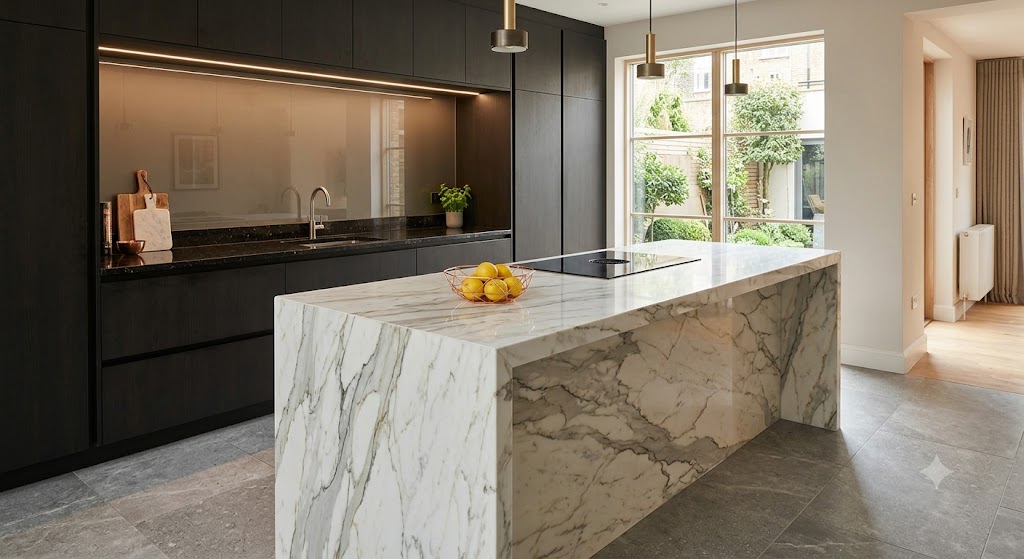
Builders and designers often work with multiple material choices before finalising the stone for a residential, commercial, or architectural project. Marble and granite can contribute significantly to the visual character of a space, but selecting the right material requires more than simply choosing an attractive colour. Factors such as application, finish, pattern, slab size, maintenance, and overall design need to be considered.
Online research can make the first stage of this process much easier. A well-organised marble and granite website can help professionals explore different stone categories, compare visual styles, understand possible applications, and create a shortlist before visiting a physical showroom. This can save time while giving the project team a clearer idea of what to look for.
Explore Different Marble Options
Marble is widely considered for interiors where natural patterns and distinctive surfaces are important to the design. Depending on the project, it may be explored for flooring, countertops, staircases, bathroom surfaces, wall cladding, backsplashes, and decorative features.
A website can help designers begin by comparing broad colour families. White marble may create a clean and spacious appearance, while darker shades can provide stronger contrast. Grey, beige, brown, green, and other natural tones can offer different design possibilities.
Veining is another important consideration. Some varieties have fine and subtle movement, while others have bold veins that become a major visual feature. Designers working on statement interiors may want to understand how prominent patterns can be incorporated into the overall layout.
Online photographs can be useful for narrowing down options, but they should not be treated as an exact representation of every slab. Natural marble can vary in background shade, veining, and pattern movement. Physical inspection is therefore important before making a final selection.
Source Granite for Different Applications
Granite offers another range of options for builders and designers. Its natural appearance and variety of colours make it suitable for several applications, depending on the project requirements.
Kitchen countertops are one common application, but granite can also be considered for staircases, flooring, bathroom vanities, wall features, reception areas, window sills, and other architectural surfaces. The appropriate choice depends on the location and how the finished surface will be used.
A project team can begin its research by comparing colours and patterns online. Dark granite may create a bold and contemporary appearance, while lighter shades can work well with neutral interiors. Brown and earthy patterns can complement wood finishes and warm colour palettes.
For commercial projects, designers may also consider how the stone works with the overall branding and architectural concept. A reception desk, entrance area, or feature wall may require a visually distinctive material, while functional surfaces may call for a more balanced design.
Compare Colours, Patterns, and Finishes
Colour alone should not determine the final stone selection. Pattern movement can change the appearance of a surface significantly, particularly when a large area is covered.
The finish is equally important. A polished finish can create a smooth and reflective appearance, while other finishing options may produce a more understated or textured effect. The appropriate finish depends on the intended application and the visual effect required by the design.
Designers should also consider how natural and artificial lighting will interact with the stone. A material that looks subtle in one environment may appear more prominent under different lighting conditions.
Creating a shortlist of several options can make the comparison process easier. Instead of selecting one material immediately, professionals can identify a few suitable alternatives and compare their actual samples later.
Consider Slab Size and Project Requirements
For larger projects, slab dimensions can become an important part of the planning process. The size of the available material may influence how patterns are positioned and where joints are required.
Designers should consider the layout before fabrication. Prominent veins or natural patterns may be positioned deliberately to create a particular visual effect. This is especially useful for feature walls, countertops, reception desks, and other areas where the stone becomes a major design element.
Builders should also consider the quantity required. If a project needs several slabs, comparing them together can help identify variations in colour and pattern. This can support better planning and reduce unexpected differences during installation.
Understand Fabrication and Installation
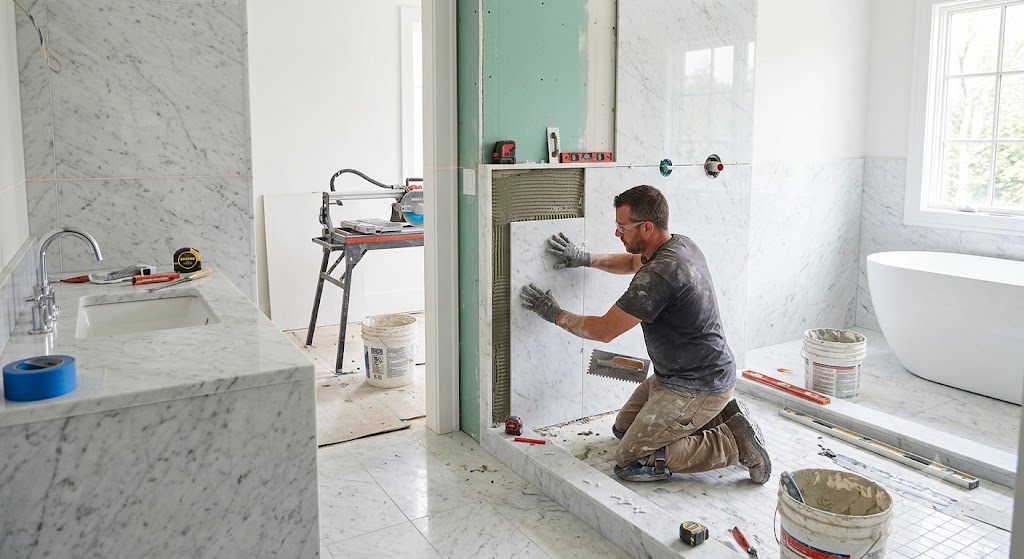
The appearance of natural stone depends not only on the material but also on how it is fabricated and installed. Cutting, edge finishing, joint placement, polishing, and other fabrication details can influence the final result.
Before confirming an order, builders and designers should discuss the required dimensions and fabrication details with the supplier or fabricator. Areas with cutouts, corners, edges, or unusual shapes may require additional planning.
Installation should also be considered at the design stage. The project team can determine where seams will be positioned, how pieces will align, and how the natural pattern should flow across adjoining surfaces.
This is particularly useful when working with visually prominent marble or granite. Good planning can help the finished installation appear more cohesive.
Check Maintenance and Long-Term Suitability
A stone may look perfect for a project but still require careful consideration based on where it will be installed. Different surfaces experience different levels of use, moisture, cleaning, and exposure.
For this reason, professionals should ask about suitable cleaning practices, maintenance requirements, sealing where applicable, and the type of finish recommended for the intended application.
For example, a material chosen for a decorative wall may have different practical considerations from one used on a frequently handled countertop. Understanding these differences before installation can help avoid unsuitable selections.
Maintenance should also be considered from the client's perspective. A visually impressive material may not be the best choice if its care requirements do not align with the client's expectations or lifestyle.
Use Online Research to Shortlist Materials
One of the biggest advantages of online research is the ability to compare options before spending time at a physical showroom. Builders and designers can review categories, save reference images, and identify materials that match the project's design direction.
However, online research should be treated as the first step rather than the final selection stage. Photographs can differ because of lighting, camera settings, screen displays, and image processing.
Once a shortlist has been created, professionals should inspect the actual slabs or samples. This provides a better understanding of the material's natural characteristics and allows the team to make a more confident decision.
Work With a Reliable Stone Partner
Selecting a suitable supplier can make the sourcing process easier, particularly when a project involves multiple types of natural stone. Professionals may need assistance comparing available materials, understanding applications, checking slab options, and planning fabrication.
Pratibha Marbles can be considered as part of the research process when builders and designers are exploring marble and granite options for their projects. As with any material selection, the final decision should be based on the project's specific requirements, design expectations, application, and available stone.
A good discussion with the supplier can also help identify alternatives when a particular colour or pattern does not meet the project's practical or visual requirements.
Final Thoughts
A marble and granite website can be a useful starting point for builders and designers who need to source natural stone efficiently. It can help them explore colours, patterns, finishes, applications, and material categories before visiting a showroom.
However, online research should be combined with physical slab inspection and proper project planning. Comparing actual materials, understanding fabrication and installation requirements, and considering maintenance can help professionals select stone that works both visually and practically. Taking this approach allows builders and designers to make informed decisions while creating interiors that suit the project's intended character and use.