Why Are Some Marble & Granite Slabs So Different in Price?
-

- September 22nd, 2026
- 56 views
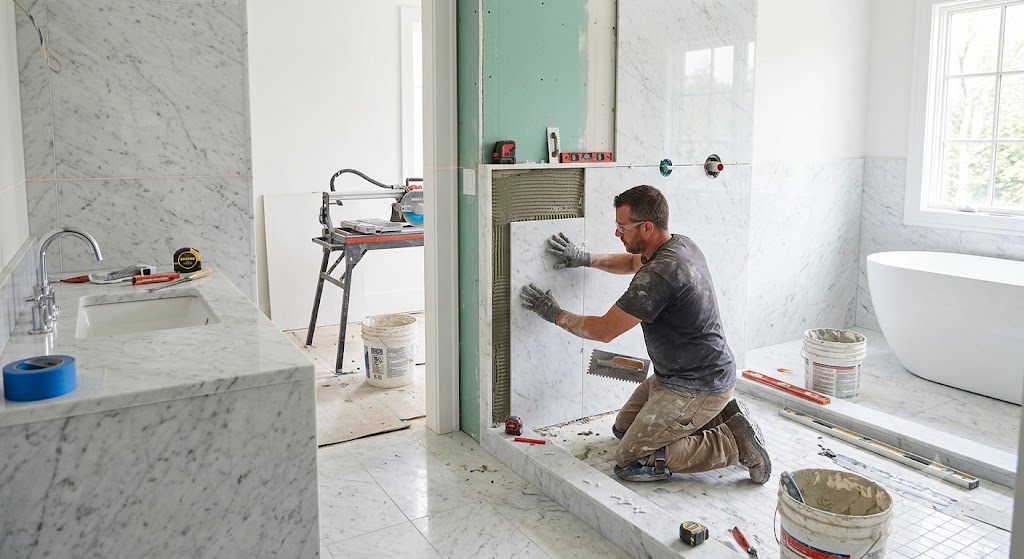
If you have ever compared marble or granite for a home project, you may have noticed that two slabs can look similar at first glance but have very different prices. The difference is not always about appearance alone. Factors such as stone variety, origin, rarity, slab quality, size, finish, availability, and processing can all influence the final cost.
Understanding these factors can help homeowners, builders, and interior designers compare options more carefully before making a purchase.
Stone Variety and Natural Characteristics
The type of stone is one of the first factors that can affect its price. Marble and granite are available in many varieties, and each can have different natural characteristics.
Some stones may feature distinctive colours, unusual veining, or patterns that are less commonly available. Others may have a more consistent appearance and wider availability.
Even within the same broad category, individual varieties can differ considerably in appearance and sourcing requirements.
Origin and Availability Can Influence Cost
Where a stone comes from can also contribute to price differences. Imported and locally sourced materials may involve different transportation, handling, and supply considerations.
Availability matters as well. A stone that is regularly stocked may be easier to source than a particular variety that is available only in limited quantities.
When comparing Best Italian Marble Dealers in Bangalore, ask about the specific marble variety, available stock, slab dimensions, and sourcing details rather than comparing prices based only on the word "Italian."
Veining and Slab Appearance Matter
Natural patterns can have a significant influence on how a slab is valued. Marble with distinctive or visually appealing veining may be priced differently from slabs with simpler patterns.
The appearance can also vary from one slab to another. Even pieces from the same variety may have differences in background colour, vein direction, or pattern intensity.
For this reason, it is useful to inspect the actual slab instead of making a decision based only on catalogue photographs or small samples.
Slab Size and Thickness
The dimensions of a slab can affect the overall material requirement and project cost. Larger projects may require several slabs, while certain applications may require particular thicknesses.
Before ordering, provide the supplier with your measurements or drawings if available. This allows you to discuss the approximate quantity required and understand how the slabs may need to be cut.
The way the slabs are planned can also influence wastage, especially for countertops, staircases, large floors, and feature walls.
Surface Finish Can Change the Cost
The finish applied to natural stone can also contribute to differences in pricing. Different finishes may involve different processing requirements and create different visual effects.
A polished surface, for example, can provide a glossy appearance, while other finishes can produce a more understated look.
When comparing prices, make sure you are comparing slabs with similar finishes and specifications. Otherwise, two quotations may appear different even though the materials are not directly comparable.
Processing and Fabrication Are Separate Considerations
The price of the raw slab is only one part of the overall project cost. Depending on your application, the material may require cutting, edge work, polishing, or other fabrication.
Kitchen countertops and custom installations can involve more detailed fabrication than a straightforward slab application.
Ask for a clear quotation that separates material and applicable fabrication or service charges. This gives you a better understanding of where your overall project cost comes from.
Stock and Quantity Can Affect Your Options
If you need several slabs for one project, availability becomes particularly important. You may need pieces that coordinate in colour and pattern, especially for large continuous areas.
Before finalising your selection, confirm how many suitable slabs are currently available. If additional pieces are required later, ask whether the same or closely matching material can be sourced.
This is useful for builders and homeowners working on projects that are completed in multiple stages.
Don't Compare Price Alone
A lower price may look attractive, but it is important to compare the actual specifications of the materials. Check the variety, dimensions, thickness, finish, quantity, and services included in each quotation.
Also consider how well the selected material fits your intended application. A slightly different-looking slab may not provide the design result you expect, while a visually suitable option may require additional fabrication.
A complete comparison helps you evaluate the material on more than just its initial price.
Where Can You Compare Marble Options?
Visiting a physical showroom allows you to inspect actual slabs and discuss the factors contributing to their price. You can compare colours, patterns, finishes, dimensions, and available stock before making a decision.
Pratibha Marbles can be considered when exploring marble and granite options in Bangalore. Discussing your project requirements with the supplier can help you understand the available materials and compare suitable choices for your application.
Final Thoughts
Differences in marble and granite prices can come from several factors rather than one single reason. Stone variety, origin, availability, natural pattern, slab dimensions, finish, processing, and project requirements can all influence the final cost.
Before choosing a slab, compare like-for-like specifications, inspect the actual material, and request a detailed quotation. This approach can help you understand what you are paying for and choose a stone that fits both your design and project requirements.