
The 7 Principles of Marketing Strategy You Need to Know
-

- Published Updated
- 9,545 views
A successful business rarely happens by chance. Behind every strong brand is a carefully designed marketing strategy that guides how a company reaches customers, communicates value, and builds long-term relationships. Marketing strategy is more than just advertising or posting on social media—it is a structured plan that helps businesses achieve specific goals.
Understanding the core principles of marketing strategy allows businesses to focus their efforts, allocate resources efficiently, and remain competitive in rapidly evolving markets. Whether you run a startup or an established company, mastering these principles can significantly improve your marketing performance.
Below are the seven key principles of marketing strategy every business should know.
1. Understand Your Target Audience
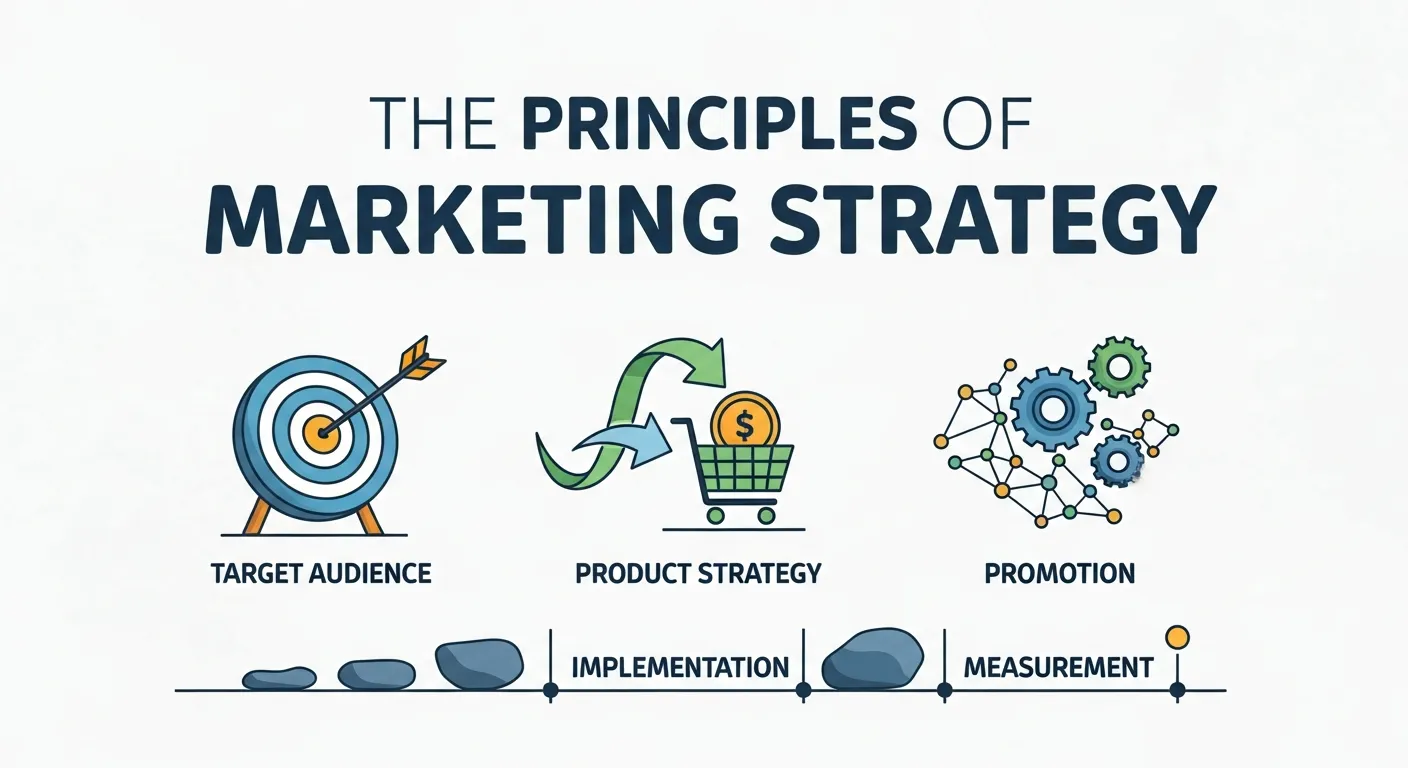
The first principle of effective marketing is knowing who your customers are. Businesses must identify their ideal audience and understand their needs, preferences, behaviors, and challenges. Without this understanding, marketing messages may fail to connect with potential customers.
Market research, customer surveys, and data analytics can help businesses gather insights about their audience. When marketers understand their customers well, they can create targeted campaigns that deliver relevant content and solutions.
2. Create a Strong Value Proposition
A value proposition explains why customers should choose your product or service over others. It highlights the unique benefits and advantages your business provides.
A strong value proposition should clearly answer three questions:
-
What problem does your product solve?
-
How does your product benefit customers?
-
Why is your solution better than competitors?
When businesses clearly communicate their value proposition, customers quickly understand the reasons to trust and choose the brand.
3. Set Clear and Measurable Goals
Every marketing strategy needs well-defined goals. These goals guide marketing efforts and help businesses evaluate whether their campaigns are successful.
Common marketing goals include increasing website traffic, generating leads, improving brand awareness, or boosting sales. Many businesses use the SMART framework—Specific, Measurable, Achievable, Relevant, and Time-bound—to set realistic and trackable goals.
Having clear objectives ensures that marketing activities remain focused and aligned with overall business growth.
4. Analyze Your Competitors
Competitor analysis is an important principle in marketing strategy. By studying what other companies in your industry are doing, you can learn from their strengths and avoid their weaknesses.
Analyzing competitors can reveal useful information about pricing strategies, product features, customer engagement tactics, and marketing channels. This insight helps businesses identify gaps in the market and create unique strategies that stand out from the competition.
Instead of copying competitors, successful marketers use competitive insights to develop differentiated and innovative approaches.
5. Choose the Right Marketing Channels
There are many marketing channels available today, from social media platforms to email marketing and search engines. However, not every channel is suitable for every business.
A successful marketing strategy focuses on the channels where your target audience spends the most time. For example, younger audiences may engage more on social media platforms, while professional audiences may prefer email newsletters or business-focused platforms.
By selecting the right channels, businesses can deliver their messages effectively and improve campaign results.
6. Maintain Consistent Brand Messaging
Consistency plays a critical role in building a strong brand identity. Every piece of marketing communication—from advertisements and blog posts to social media updates—should reflect the same brand voice, tone, and message.
Consistent messaging helps customers recognize and remember your brand. It also builds trust and credibility over time. When customers repeatedly encounter a clear and consistent message, they are more likely to develop loyalty toward the brand.
Creating brand guidelines can help ensure consistency across all marketing materials and platforms.
7. Measure Performance and Improve
Marketing strategies should not remain static. Businesses must continuously evaluate their performance and make improvements based on data and insights.
Tracking key performance indicators such as website traffic, engagement rates, conversion rates, and return on investment helps marketers understand what works and what needs adjustment. Data-driven decisions allow businesses to refine campaigns and allocate resources more effectively.
Continuous testing, learning, and optimization are essential for long-term marketing success.
Conclusion
Marketing strategy is the foundation that supports business growth and customer engagement. By understanding the seven principles of marketing strategy—knowing your audience, creating a strong value proposition, setting clear goals, analyzing competitors, choosing the right channels, maintaining consistent messaging, and measuring performance—businesses can develop powerful marketing plans.
When these principles are applied consistently, companies can strengthen their brand presence, attract loyal customers, and achieve sustainable success in an increasingly competitive marketplace.
