What I Wish I Had Known About Massage Chairs Before My Pregnancy: A Complete Safety and Benefits Guide
-

- May 20th, 2026
- 7,358 views
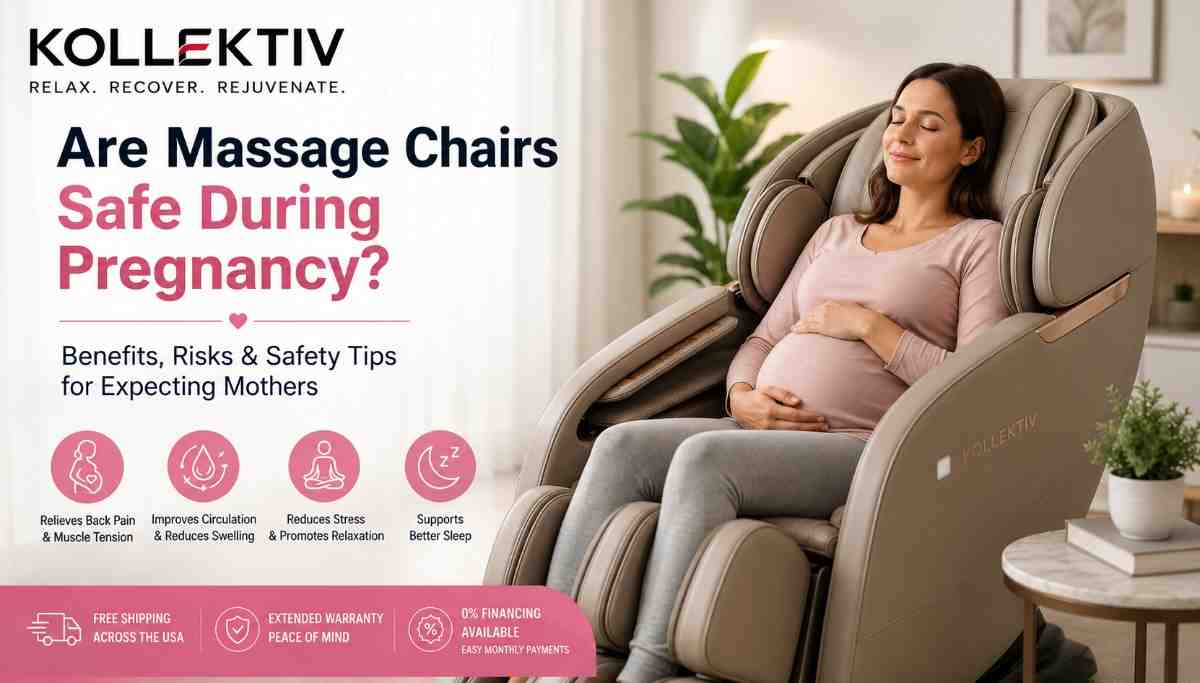
There is a specific kind of physical exhaustion that settles into the lower back somewhere around the second trimester and does not fully leave until long after the baby arrives.
It is not acute pain in the way that an injury is painful. It is a persistent, grinding tension that makes sitting uncomfortable, standing uncomfortable, and lying down an exercise in finding the least uncomfortable position rather than a genuinely restful one. It is the kind of discomfort that accumulates invisibly over weeks until one day you realise you have been compensating for it in every movement you make.
Most pregnant women managing this kind of tension eventually ask the same question: would a massage chair help? And the question that immediately follows is the one that stops most of them from finding out: is it safe?
This guide answers both questions honestly — with the nuance they deserve, the medical context they require, and the practical guidance that makes the difference between using a chair safely and using one incorrectly.
The Honest Answer to the Safety Question
The honest answer is that it depends — and anyone who gives you a confident yes or no without qualification is oversimplifying a genuinely nuanced topic.
For many women with low-risk pregnancies, particularly in the second and third trimesters, using a massage chair on gentle settings with medical clearance is broadly considered safe. The Mayo Clinic notes that massage therapy during pregnancy is appropriate after the first trimester when performed carefully. A well-specified massage chair with adjustable intensity controls offers comparable benefits when used with the same care.
The first trimester is the exception. The first twelve weeks involve the most critical developmental milestones of the gestational period, and most healthcare providers recommend waiting until the second trimester before introducing any massage therapy — professional or chair-based. Not because chairs are established as harmful during this window, but because the precautionary principle applies when the stakes are high and genuine uncertainty exists.
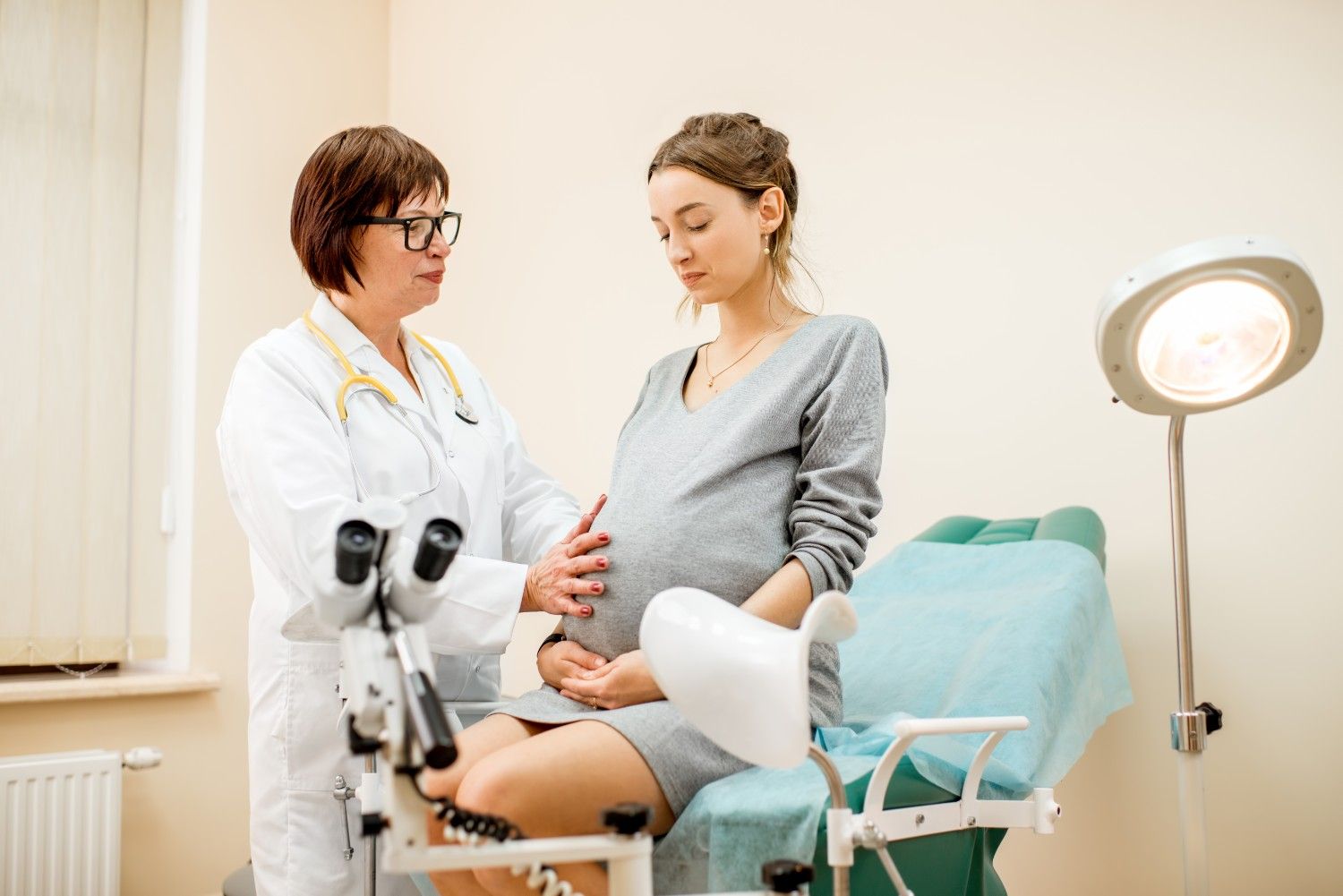
The non-negotiable step before any use is consulting your OB-GYN or midwife. That conversation is the appropriate starting point — not an afterthought after you have already decided to use the chair.
What Pregnancy Actually Does to the Body — and Why Massage Helps
Understanding why massage chairs appeal to pregnant women in the first place requires understanding what pregnancy does to the musculoskeletal system over nine months.
The centre of gravity shifts forward as the abdomen grows — placing increasing mechanical load on the lumbar spine and the muscles that support it. The ligaments of the pelvis loosen in preparation for birth — reducing the structural support the spine relies on and increasing the muscular compensation required to maintain posture. Blood volume increases by up to 50% over the course of the pregnancy — placing additional demand on the circulatory system and contributing to the fluid retention in the legs and feet that becomes a consistent complaint from the second trimester onward. And the hormonal and neurological changes of pregnancy amplify stress responses and disrupt sleep in ways that compound the physical toll into something genuinely exhausting.
Against this physiological backdrop, the benefits of gentle, consistent massage become clinically relevant rather than merely comfortable. Lower back pain relief addresses the most universal physical complaint of pregnancy. Improved circulation through gentle compression reduces the swelling that makes the end of pregnancy days so uncomfortable. Stress and cortisol reduction support outcomes that matter beyond comfort. And sleep quality improvement through evening gentle sessions addresses what is, for many pregnant women, the most practically disruptive aspect of the later trimesters.
The Benefits in Practice
Lower Back Pain
The lumbar region absorbs the largest mechanical impact of any area during pregnancy — and gentle targeted massage addressing the erector spinae and quadratus lumborum provides consistent relief that is difficult to access through other means without regular professional appointments.
The full-body 4D massage chair with lumbar heat is specifically designed for lumbar targeting with precise, independently adjustable intensity settings. The fine-grained control available on 4D systems — adjusting roller speed, depth, and pressure independently — makes genuinely gentle settings achievable in a way that basic chairs with simple toggles cannot match. During pregnancy, the lowest available intensity setting is always the appropriate starting point.
Circulation and Swelling
Gentle compression from airbag systems set to the lowest available intensity can meaningfully support venous return from the lower extremities and reduce the fluid accumulation that causes ankle and foot swelling in the second and third trimesters. The Cleveland Clinic notes that gentle massage supports circulation improvement during pregnancy — with consistent emphasis on the word gentle that applies equally to every airbag setting used during pregnancy.
Stress Reduction
Elevated cortisol has documented associations with pregnancy outcomes in research literature. Even 15 to 20 minutes of gentle massage activates the parasympathetic nervous system and produces measurable cortisol reductions — a benefit available at the lowest intensity settings and independent of any higher-risk features.
Sleep Quality
A short, gentle evening session can ease the muscle tension and mental activation that make sleep onset difficult in the later trimesters. The zero gravity recline position — which elevates the legs above heart level at a specific recline angle — supports comfortable, circulation-friendly rest and is significantly more appropriate for late-pregnancy positioning than fully flat lying.
The Risks That Require Genuine Respect
Vibration and Percussion
Strong vibration or percussive settings directed at or near the abdomen and pelvis are not appropriate during pregnancy. Always use the lowest available vibration setting and avoid percussion modes entirely. If any mode creates intense sensation in the pelvic or abdominal region, stop using it immediately.
Pressure Points
Specific acupressure points around the ankles and lower legs are associated in traditional practice with stimulating uterine contractions. The clinical evidence is mixed — but the consistent precautionary approach taken by professional massage therapists working with pregnant clients is to keep foot roller and lower calf programs on the lowest available settings during pregnancy.
Heat Therapy
In the first trimester, elevated body temperature carries documented developmental risk associations — making heat use most problematic in the earliest weeks. In the second and third trimesters, localised gentle lumbar heat is generally lower risk for healthy pregnancies — but keep it on the lowest setting, limit it to 10 to 15 minutes per session, and avoid any heat directed toward the abdomen. Zone-specific heat controls that allow selective application are a feature worth specifically verifying on any chair being used during pregnancy.
Reclining Fully Flat
From the second trimester onward, fully flat positioning compresses the inferior vena cava — reducing cardiac return and causing dizziness, nausea, and blood pressure drops. Partial recline rather than fully flat lying is the safe positioning choice throughout the second and third trimesters.
When to Avoid a Massage Chair Entirely
Regardless of trimester or settings, a massage chair is not appropriate if you have a high-risk pregnancy, a history of preterm labour, placenta previa, pre-eclampsia, blood clotting disorders, or if your healthcare provider has specifically recommended avoiding massage therapy or restricting physical activity.
Stop use immediately and contact your healthcare provider if you experience cramping, uterine tightening, dizziness, unusual pelvic pressure, or any symptom that feels abnormal during or after a session.
The Features That Make Safe Use Achievable
The specifications that matter most for pregnancy use are precise independent intensity controls across roller speed, depth, and pressure — not just a three-level toggle. Zero gravity positioning for safe partial recline. Zone-specific heat controls for selective application. And multiple gentle massage modes that allow avoidance of deep tissue, percussion, and intense vibration entirely.
Kollecktiv's 4D massage chairs offer independent adjustment across multiple intensity levels — giving significantly more genuine control over gentleness than basic models where a single control governs all parameters. For buyers who want zero gravity positioning alongside this adjustability, the zero gravity luxury massage chairs in the Kollecktiv lineup include multi-stage zero gravity, zone-specific heat controls, and fine-grained intensity adjustment as standard features across the range.
The Safe Use Protocol That Makes the Difference
Begin every session at the lowest available settings for every active feature. Limit sessions to 15 to 20 minutes. Keep heat on the lowest setting or disabled entirely — never directed toward the abdomen. Use partial recline rather than fully flat positioning from the second trimester onward. Pay close attention to how your body responds during and immediately after each session. And maintain ongoing communication with your healthcare provider throughout — what is appropriate at one stage of the pregnancy may need revisiting at the next.
The combination of medical clearance, appropriate settings, careful positioning, short sessions, and consistent attention to the body's response is what separates genuinely safe use from uninformed use that happens to be gentle.
The Conclusion
Massage chairs are not categorically unsafe during pregnancy. For many women with low-risk pregnancies and medical clearance, they represent a genuinely useful tool for managing the physical demands of one of the most demanding periods the human body goes through.
The starting point is always your healthcare provider's guidance. The settings are always the gentlest available. The positioning is always partial recline. The sessions are always short. And the attention to how the body responds is always consistent.
Done that way, this is not a compromise between relief and safety. It is both — for the mother and for the baby.
originally published on :
https://kollecktiv.com/are-massage-chairs-safe-during-pregnancy/