Material Handling Equipment Checklist for New Distribution Centers
-
- July 15th, 2026
- 3,293 views

FREE SEO Topical Map Generator: Find Your Next Content Ideas
You are going to open a new distribution center for your business. Space is planned, staff is hired, and systems are being set up. But then someone from your team asks - what equipment do we actually need on the floor? And that's where you think you're left with this actually important question that nobody planned an answer for.
Well it’s a common situation that happens with many distribution centers. They get so caught up in the big-picture setup that equipment planning gets rushed, underbudgeted, or based on guesswork. The result? Operations start slow, bottlenecks appear in the first week, and fixes cost twice what proper planning would have.
I am an industrial equipment specialist who has worked with many distribution centers for over a decade, and the one mistake I see almost every time is the same - equipment planning is always the last thing on the list. So I am giving you a checklist so that doesn’t happen to you or those looking to get their distribution center running smoothly from day one.
Everything Your Distribution Center Needs to Run
Start with the Basics: Storage and Racking
You need a dedicated space for everything before anything starts moving. That’s why distribution centers rely on shelving and racking systems. But if you get this wrong and everything else pays for it - slow picking, wasted space, and a facility that feels messy before it even gets busy.
Here's what you need to figure out before anything else:
- Pallet racking: standard for most distribution centers handling bulk goods; choose between selective, drive-in, or push-back depending on how frequently SKUs rotate.
- Shelving units: ideal for smaller items that don't need full pallet storage.
- Mezzanine flooring: It’s required if vertical space is available and you need more floor area without expanding the building.
One common mistake new distribution centers make is underestimating how much racking they'll need within the first six months. Start with your projected inventory volume, then add 20%. You'll thank yourself later.
Moving Goods Around the Floor
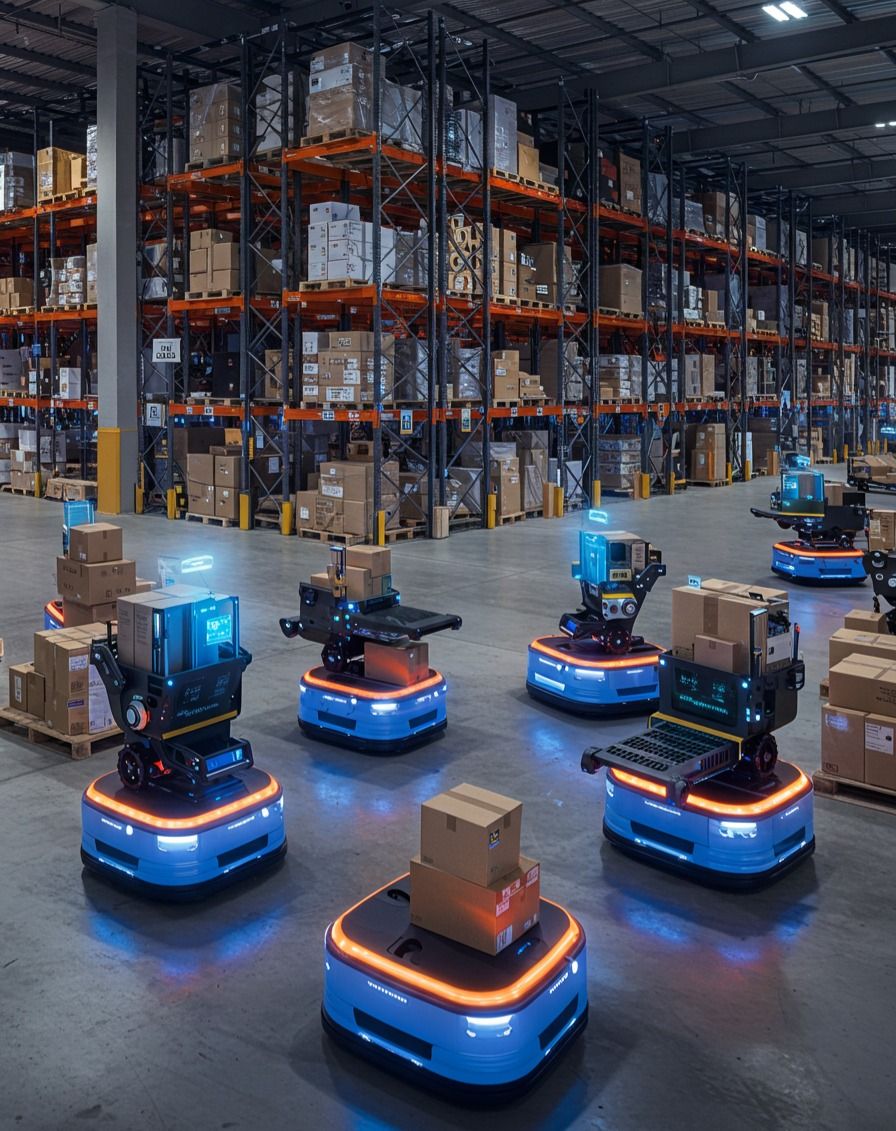
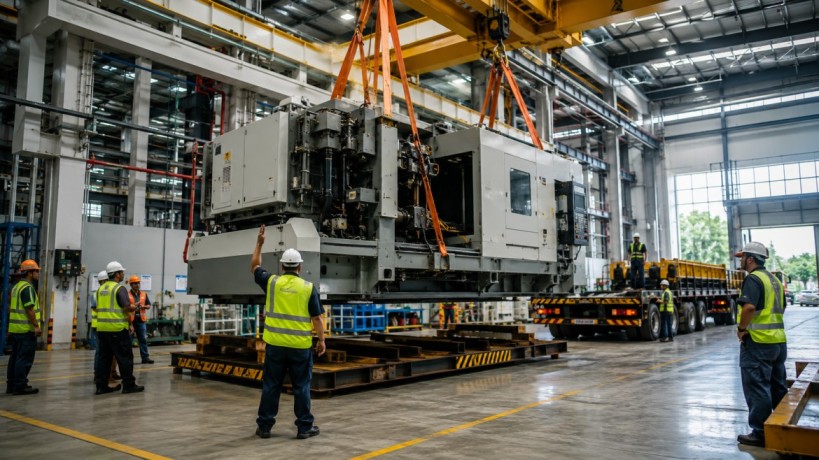
This is where material handling equipment becomes the real conversation. Once goods are stored, you need to move them, from receiving and storage to picking, packing, and dispatch. And every one of those parts need the right tools, including:
- Forklifts: essential for loading/unloading and moving pallets. But you have to decide early whether you need electric or gas-powered based on your facility's ventilation.
- Pallet jacks (manual and powered): ideal for shorter distances and tighter aisles where forklifts can't go.
- Hand trucks and dollies: handle the smaller loads and last-leg movement that forklifts and pallet jacks can't reach.
- Conveyor systems: move goods from one station to the next automatically, which means your team doesn't have to waste their energy carrying boxes back and forth all day.
A mid-sized apparel distributor once skipped conveyors to save on setup costs. Within three months, their packing team was spending 40% of their time just physically carrying boxes between stations. They installed a basic belt conveyor in month four - and wished they'd done it from day one.
Loading Dock Equipment
A loading dock is the entry and exit point of your entire operation. Every shipment that comes in or goes out passes through it, which is why it’s a must-have piece of equipment for every distribution center.
Below are the components of a loading dock equipment that drives the the entire receiving and dispatch process:
- Dock levelers: bridges the height gap between the truck and the dock floor so workers can safely load and unload the goods.
- Dock seals and shelters: keep both goods and staff protected from weather during loading and unloading.
- Yard ramps: an extremely useful component especially if your dock doesn't have a fixed leveler or if you're handling ground-level loading
- Pallet inverters: with inverters, you can easily swap pallets or reposition loads on arrival without manual lifting.
Even though loading dock equipment is so crucial, some distribution centers skip adding dock equipment just to save money. But what they don't realize is that the damage, delays, and safety incidents it causes end up costing far more than the equipment ever would have.
Safety Equipment: Non-Negotiable
There’s always safety risk when handling, lifting, and moving heavy loads, so having safety equipment by your side is essential yet non-negotiable.
Here’s the type of safety equipment you must buy:
- Column and rack protectors to absorb forklift impact
- Floor markings and safety barriers for pedestrian zones
- Safety mirrors at blind corners
- Fire extinguisher mounts positioned throughout the floor
And remember a distribution center that moves fast but isn't safe doesn't stay operational for long. Injuries, inspections, and shutdowns cost far more than the safety equipment would have.
Picking and Packing Station Setup
This is where orders actually get fulfilled. And if this area isn't set up right, everything slows down, no matter how well the rest of your facility runs.
Here's what a solid pick-and-pack area needs:
- Sturdy packing tables at the right height (back injuries from poorly designed stations are extremely common)
- Shelving or bins for packaging materials within arm's reach
- Label printers and scanners integrated into the workflow
- Carts or totes for batch picking across aisles
Ergonomics also matter here. A staff member packing 200 orders a day on a table that's too low will feel it within a week. Small adjustments in station design directly affect both productivity and staff retention.
One Final Thought Before You Buy
Before you finalize any purchases, walk your floor plan with your operations lead and physically map how goods will travel from dock to dispatch. Because every bottleneck you spot along the way is a piece of equipment you forgot to plan for. So before anything gets ordered, do that walk. More than once if you have to. After all, the best distribution centers aren't the ones with the most equipment; they're the ones where every piece of material handling equipment on the floor has a clear purpose and fits the workflow around it.
Official source: