Aircraft Towbars Market Hindrances Shaping New Priorities In Ground Handling Operations
-

- Published Updated
- 6,534 views
Aviation often celebrates what happens in the air, yet many operational challenges begin on the ground. Behind every efficient aircraft movement is a network of support equipment that must function reliably under pressure. One of the less discussed but increasingly important topics involves aircraft towbars market hindrances and how they influence airport efficiency, maintenance planning, and equipment investment decisions.
As airlines and ground handling providers seek smoother turnaround processes, the demand for towing equipment continues to evolve. However, growth is not always straightforward. Market participants face a collection of technical, financial, and operational barriers that complicate adoption and expansion across different regions and airport environments.
Aircraft Towbars Market Growth Challenges Across Modern Ground Handling Operations
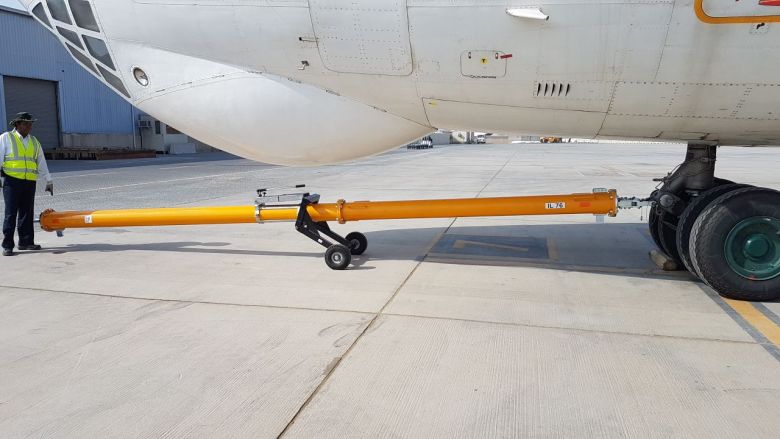
The role of aircraft towbars extends far beyond simply moving aircraft from one location to another. These tools serve as critical links between towing vehicles and aircraft, making safety and compatibility essential considerations. Yet one of the primary obstacles facing manufacturers and operators is the increasing diversity of aircraft fleets.
Airports frequently manage a mix of regional jets, narrow body aircraft, and large commercial airplanes. This diversity creates a need for multiple towbar configurations, increasing inventory requirements and operational complexity. Ground service providers often hesitate to invest heavily when equipment compatibility remains limited across fleet types.
Another challenge emerges from procurement costs. While towing equipment may appear straightforward, modern designs require precise engineering, durable materials, and compliance with strict aviation standards. These requirements can elevate acquisition costs, particularly for organizations operating under tight budget constraints.
The growing interest in aircraft towing equipment for commercial aviation also creates pressure for continuous product improvements. Manufacturers must balance innovation with affordability, a combination that is often difficult to achieve. As expectations rise, development costs increase, placing additional strain on market participants seeking sustainable growth.
Supply chain disruptions further complicate production schedules. Specialized components, raw material fluctuations, and manufacturing bottlenecks can delay deliveries and affect customer confidence. These factors collectively contribute to slower market momentum despite underlying demand for reliable ground support solutions.
Aircraft Towbar Compatibility Issues Affecting Fleet Expansion Strategies
Compatibility remains one of the most persistent concerns throughout the industry. Airlines introducing new aircraft models often discover that existing towing assets may not support expanded fleet requirements. This creates an unexpected layer of capital expenditure that can influence purchasing decisions.
For airports managing multiple operators, the challenge becomes even greater. Ground handling companies must maintain equipment capable of serving a broad range of aircraft while minimizing storage requirements and maintenance expenses. The result is a difficult balancing act between operational flexibility and financial efficiency.
Maintenance considerations also contribute to market barriers. Towbars experience repeated mechanical stress and must undergo regular inspections to ensure safe operation. Organizations lacking robust maintenance programs may encounter increased downtime and replacement costs, reducing overall equipment value.
An additional factor involves workforce training. Proper towing procedures require skilled personnel who understand equipment limitations and aircraft specific requirements. Training investments are necessary but can become burdensome for smaller operators with limited resources.
The emergence of airport ground support equipment market trends centered on automation introduces another layer of complexity. As airports explore advanced towing technologies, traditional towbar manufacturers face pressure to adapt their offerings while preserving compatibility with established infrastructure.
Some industry stakeholders are also evaluating electric aircraft towing solutions as part of broader sustainability initiatives. While these developments create new opportunities, they can temporarily shift investment priorities away from conventional towing equipment, adding uncertainty to market growth trajectories.
Regulatory compliance remains equally important. Aviation authorities maintain rigorous standards governing equipment performance and operational safety. Meeting these requirements demands continuous testing, certification efforts, and quality assurance processes. Although essential, these activities increase development timelines and operational costs for manufacturers.
Market fragmentation presents another hurdle. Numerous regional suppliers compete within specialized segments, creating pricing pressure and limiting economies of scale. Smaller manufacturers may struggle to fund research initiatives necessary for long term competitiveness, while larger players face challenges maintaining profitability across diverse product portfolios.
Despite these obstacles, the market retains considerable potential. The ongoing expansion of airport infrastructure, increasing aircraft movements, and rising emphasis on operational efficiency continue to generate demand for dependable towing solutions. Organizations that successfully address compatibility concerns, cost pressures, and evolving customer expectations will be better positioned to capitalize on future opportunities.
Aircraft towbars remain indispensable to safe and efficient ground operations, yet the path toward market expansion is shaped by a variety of interconnected challenges. Understanding these barriers allows manufacturers, airlines, and service providers to make more informed decisions and identify areas where innovation can create meaningful value. Those exploring the Aircraft Towbars Market will uncover a sector where overcoming operational constraints often becomes the catalyst for long term competitive advantage and sustained industry progress. Learn more: https: // www. pristinemarketinsights. com/ aircraft-towbars-market-report